

Spell the Month in Books is a linkup hosted on Reviews From the Stacks. We’re invited to find a book title, on a given theme, that starts with each letter in the month’s name, make a list, and share the link. It’s a nice way to look back over one’s reading.
This month, the theme is Back to School. Reviews from the Stacks is a Northern Hemisphere blog, where the theme is seasonally appropriate – but it’s full of possibilities for us in the planetary south as well. Here I go. Links on the book titles are to my blog posts.
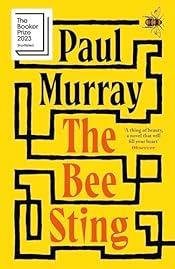
The Bee Sting by Paul Murray (Hamish Hamilton 2023). Two of this book’s characters, a generation apart, have their lives transformed when they leave their home in rural Ireland to go to university in Dublin.
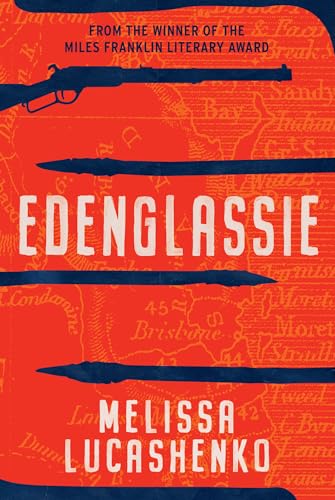
Edenglassie by Melissa Lucashenko (University of Queensland Press 2023). It may be stretching it a bit, but this novel, along with a lot of First Nations writing, amounts to an invitation to unlearn some Australian history, to go back to school and develop a different, richer understanding of our past. In this case, it’s the early history of what is now south-east Queensland. Sue at Whispering Gums has an excellent review.
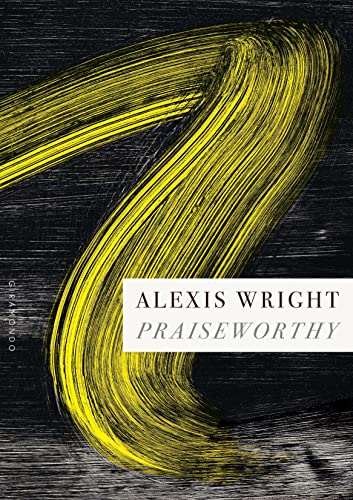
Praiseworthy by Alexis Wright (Giramondo 2023) is another example of First Nations writing that amounts to an invitation to go back and learn different ways of looking at the world. At its heart there’s a mad scheme to cope with climate change by using the donkeys that roam wild in the Northern Territory. There are clouds of butterflies and a boy who lives in a whale’s skeleton. You see the world differently once you’ve read it.

Small Things Like These by Claire Keegan (Faber & Faber 2021) actually centres on a school. It’s hardly more than a short story, in which an Irishman faces a huge moral challenge when he discovers that terrible things are being done in the convent school just outside his village.
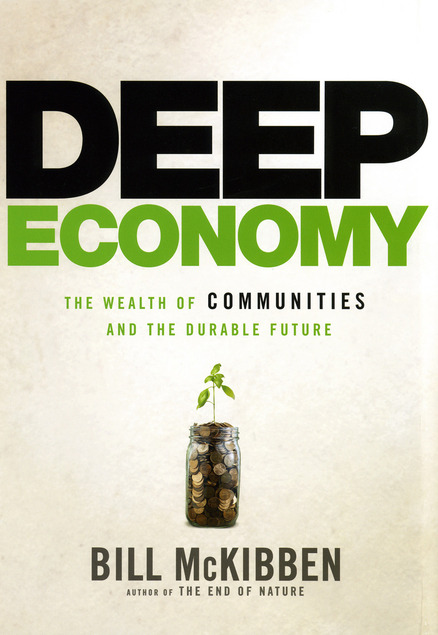
Deep Economy: The wealth of communities and the durable future by Bill McKibben (Henry Holt 2007). For me at least, this book was a tremendous learning experience about economics and the environmental crisis. In my 2007 blog post I described it as ‘a substantial, reasoned, systematic move towards an alternative way of thinking about these things’.
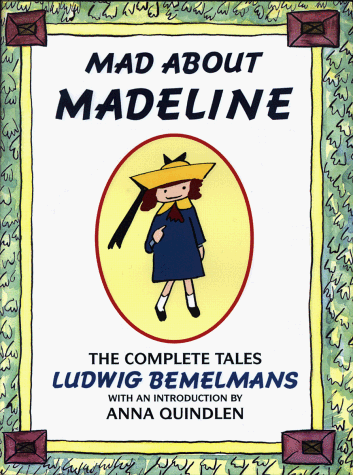
Madeline (Ludwig Betelmans 1939). How good it was, recently, to go back to this book, which I must have first read when I was at school, or perhaps when nieces and nephews were. ‘In an old house in Paris that was covered in vines …’

Blue Mars (Kim Stanley Robinson, 1996) Kim Stanley Robinson’s Mars trilogy is a terrific yarn. It’s also an education in the scientific, engineering, social and political challenges that would face an attempt to settle on Mars. I first encountered the word katabatic, among many others, in these books.
Cold Enough for Snow by Jessica Au (Giramondo 2022). The section in this slim book where the narrator goes to university and encounters a whole new world struck a chord with me, even more so than the similar experience described in The Bee Sting, because this one happens in Australia.
Voice of Reason: On Recognition and Renewal by Megan Davis (Quarterly Essay 90, 2023) is another piece of First Nations education, in this case about the recent referendum on an Indigenous Voice to Parliament. Especially in the face of the No campaign’s ultimately successful slogan, ‘If you don’t know, vote no,’ the schooling provided by this essay was salutary and continues to be.
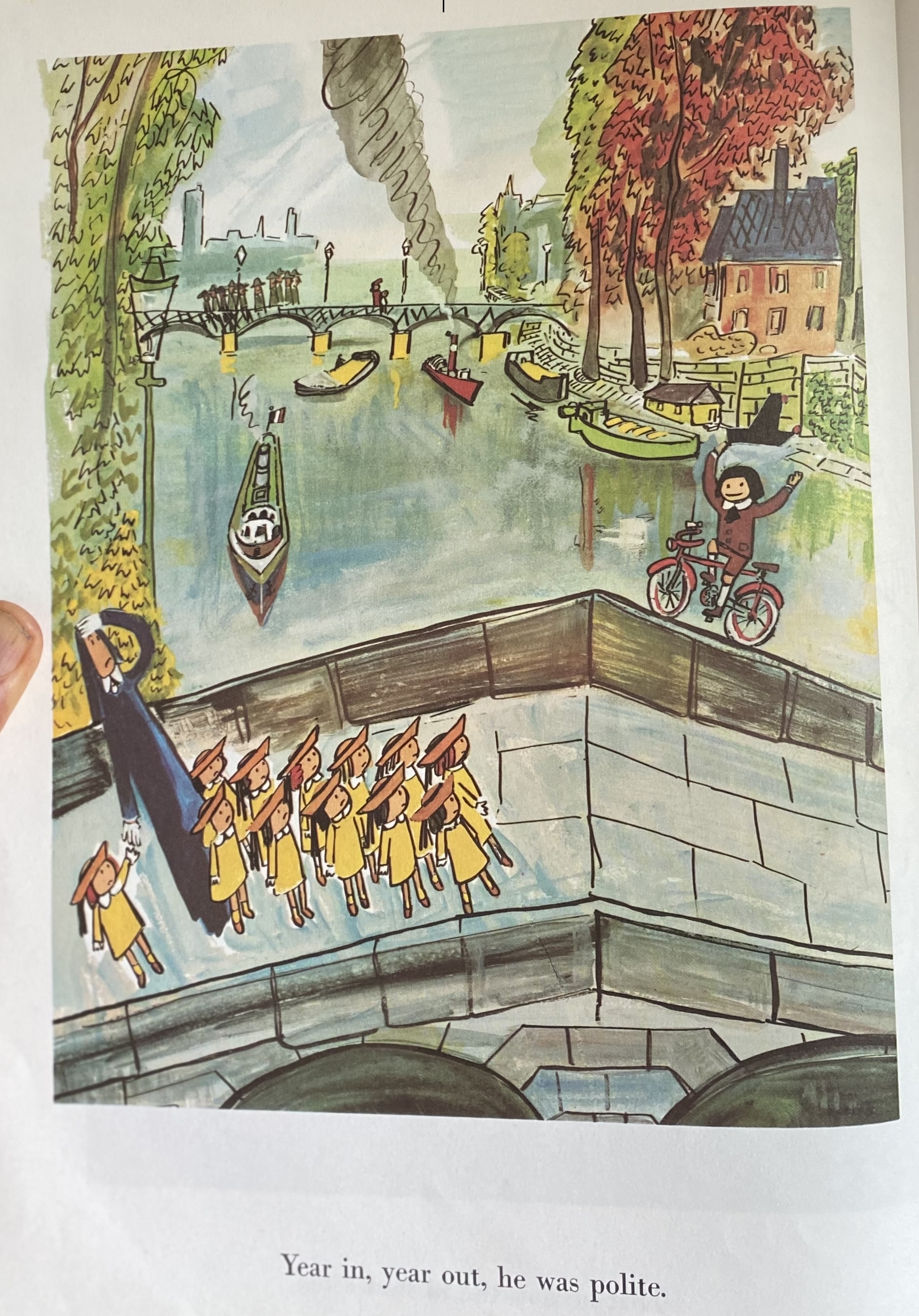


 Me fail? I fly!