
From the Emerging Artist, in her own words (links to the LibraryThing pages or, at her request, to my blog post when there is one):
Non fiction
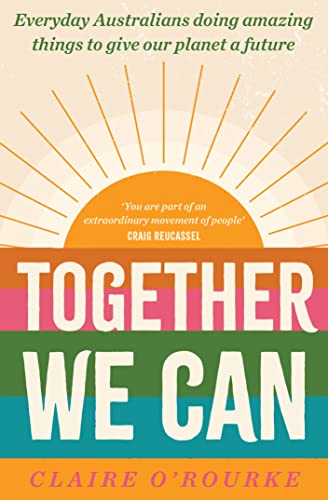
Claire O’Rourke, Together We Can (Allen & Unwin 2022)
I read this after hearing Claire talk on a Sydney Writers’ Festival panel on how to have hope in relation to climate change. It’s a good read, mixing specific examples of everyday Australians tackling what’s happening with broader theory on how to bring about change. It does fulfil its title, giving a real sense that “together we can”.
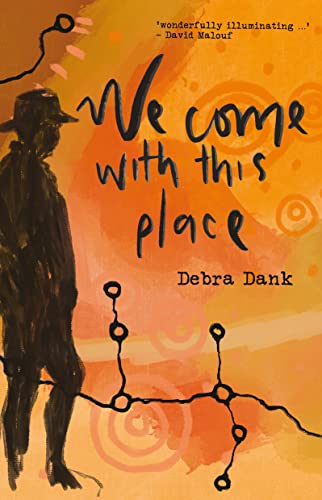
Debra Dank, We Come With This Place (Echo Publishing 2022)
We watched this book win four awards and heard Deborah Dank’s speech at NSW Premier’s Literary Awards 2023. We immediately went out to buy it. The writing is beautiful, a slow evocation of country and its connection to the author, while filled with story. I think it’s the must read of the year.
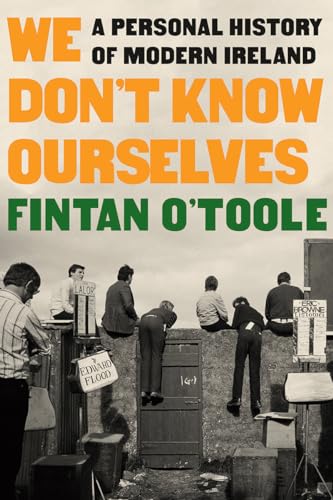
Fintan O’Toole, We Don’t Know Ourselves, a personal history of Ireland since 1958 (Head of Zeus 2021)
Hearing Fintan on the ABC’s Conversations, I immediately placed an order and waited patiently for four months for it to arrive. I’m glad I did. It’s written in short chapters in chronological order, but often picking up themes from chapter to chapter. It’s funny while documenting the appalling state of Ireland from 1958 through personal history, statistics and other sources. The incredible poverty (no running water in homes or sewage, no education for 80% of the population past primary school) made worse by the stranglehold of the Church and corruption in keeping poverty in place and the changes brought about by the impact of globalised capitalism all come alive in riveting storytelling.
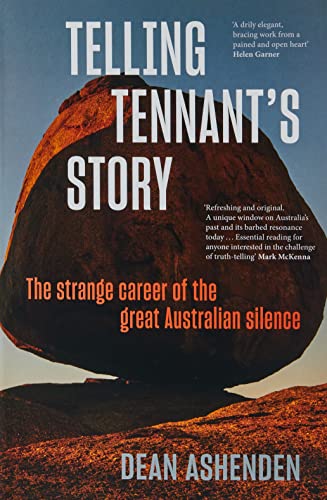
Dean Ashenden, Telling Tennant’s Story: The Strange Career of the Great Australian Silence (Scribe 2022)
A very readable history of post WWII Australian policies in relation to First Nations people where the impact of the policies on Aboriginal people in a specific area – Tennant Creek – are made clear. It tells how the policies of assimilation and later self determination came about and how far-reaching their effects have been. It would have been good for all those voting no to have been made to read this as a requirement for having a say.
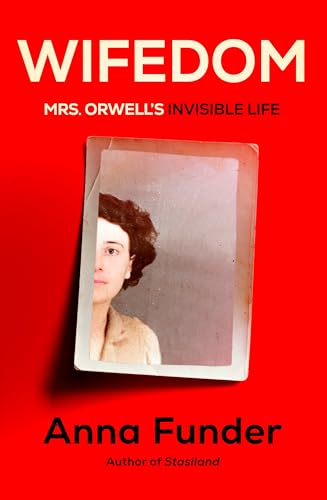
Anna Funder, Wifedom: Mrs Orwell’s Invisible Life (Penguin 2023)
So much has been written about this book already I don’t need to give a summary. I found it gripping.
Fiction
I read 62 books this year, from quick comfort ‘junk’ reads to harder literary tomes. I take a photo of each book to prompt memory, and going through them all, it’s clear I have had an excellent selection to choose five favourites from. I’ve ended up deciding by level of enjoyment, not on some literary merit criteria.
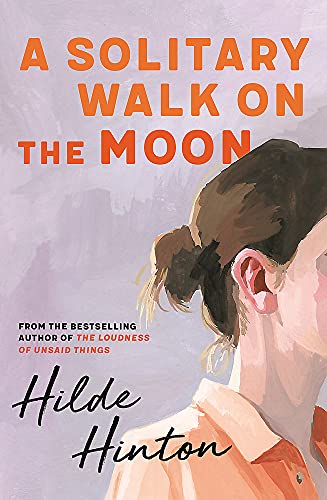


Hilde Hinton, A Solitary Walk on the Moon (Hachette AUstralia 2022)
A totally enjoyable read while disquieting in its simplicity. This is a second novel by an Australian author who seems to slipped under the radar. I found it in my local library.
Annie Ernaux, The Years (Fitzcarraldo Editions 2018)
This was also an entrancing read, covering a similar time period to my own life. It conjures up the similarities and immense differences between growing up in middle class France and Australia.
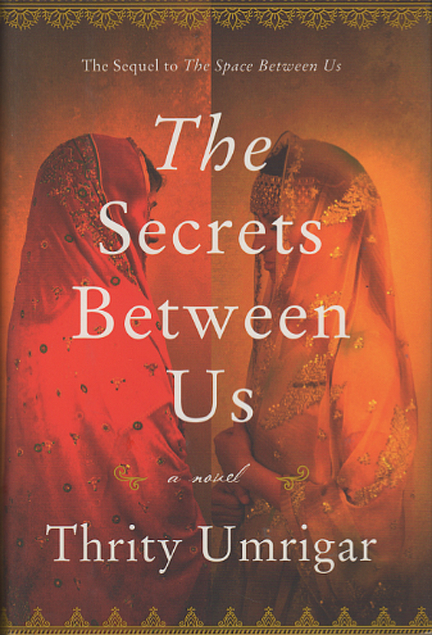
Thrity Umrigar, The Secrets Between Us (HarperCollins 2018)
Another library chance find. I loved the three strong old women protagonists, the exploration of caste and how this is/isn’t changing in modern India.
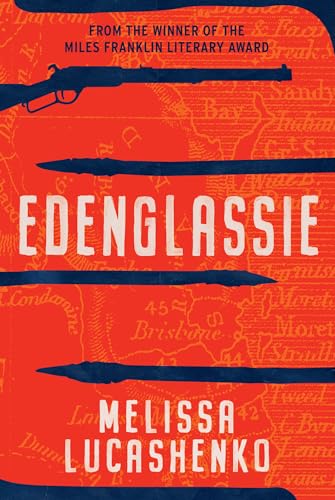
Melissa Lucashenko, Edenglassie (University of Queensland Press 2018)
This was gripping rather than straight out enjoyable, with a sense of what was to come on every page. I loved the imagined world of life at the point where the strangers are staying and growing in number, while keeping your own way of life intact.
Richard Russo, Somebody’s Fool (Allen & Unwin 2023)
Jonathan hasn’t yet been lured into the wonderful world that Richard Russo writes about, but I expect that to change soon. This is the latest in a series that includes Everybody’s Fool and Nobody’s Fool, all set in small town east coast USA. The books follow a number of interconnected characters over a few generations recording the process of change as late capitalism, racism and gender are played out in the town of Bath. He writes with affectionate humour about all of his characters. We see their frailties and appalling behaviour (between white and black, men and women, different generations) but in a number of cases we see how their connections with each other bring a shift in perspective. I love them.
From me
I read 83 books (counting journals but not children’s books). I finished my slow read of Middlemarch and read St Augustine’s Confessions, a little each morning, but didn’t start another slow read in September because I was doing the Kelly Writers’ House course in Modern and Contemporary American Poetry (ModPo), which was great fun and probably taught me a lot.
I read:
- 21 books of poetry
- 26 novels
- 4 comics
- books in translation from Chinese (2), Spanish (3), French (2), Danish (1 or 3, depending on how you count), Russian (1) and Latin (1), and bilingual books containing Greek (1) and Maori (1)
- counting editors and comics artists, 44 books by women, 39 by men
- 12 books by First Nations writers, and
- 15 books by other writers who don’t belong to the White global minority.
Biggest serendipity: Four books spoke powerfully to each other and to me in the wake of the referendum on the Voice: Debra Dank’s We Come with This Place, Melissa Lucashenko’s Edenglassie, Dean Ashenden’s Telling Tennant’s Story and David Marr’s Killing for Country (no blog post yet). Unlike Voice and Treaty, the third proposal from the Uluṟu Statement from the Heart – Truth – doesn’t have to wait for government action. These books, and so many others with them, are moving that project forward brilliantly and unsettlingly.
The most fun was probably two novels about poetry, which also spoke to each other: Chilean Poet by Alejandro Zambra and The Anthologist by Nicholson Baker.
Most interesting new discovery of someone who has been writing for decades: 2022 Nobel Prize laureate Annie Ernaux. I read Les années and Mémoire de fille, both of which mine her life story in ways that make most memoirs seem dull. Though I read them in translation, it seems right to name them in French.
Most imaginatively huge was Alexis Wright’s novel Praiseworthy, which incidentally is set in some of the same localities as Killing for Country.
Most memorable poetry: Sarah Holland-Batt’s Jaguar, with Ken Bolton’s Starting at Basheer’s (no blog post yet) a close second, the first for its precise, compassionate treatment of the poet’s father’s final illness, the latter because it filled me with joy about the everyday.
Happy New Year to all. May 2024 see the rejection of authoritarianism in elections and an end to mass killings everywhere. And may fossil fuels at last be left in the ground. Failing that, may we all keep our hearts open and our minds engaged.


 Me fail? I fly!