Tag Archives: Naomi Klein

2024 End of Year List 4: Books

The Emerging Artist now keeps a record of the books she reads so she can easily whip up a list for me at this time of year. Here are her favourite reads from 2024 in her own words (links to LibraryThing pages or, at her request, to my blog post when there is one):

Fiction
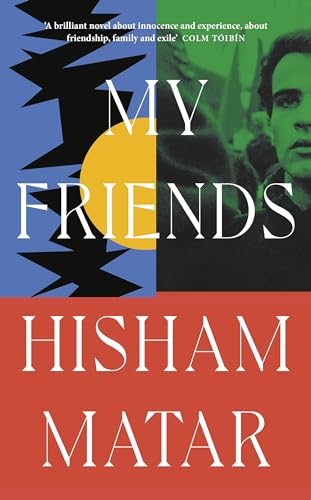
Hisham Matar, My Friends (Viking 2024)
I enjoyed Hisham Matar’s previous books, though I wasn’t enthusiastic about them as they often felt repetitive, and more like unreliable memoir than fiction. My Friends continues to draw on his life, but it feels more like a story that examines what it is to be an exile in a time of radical upheaval.

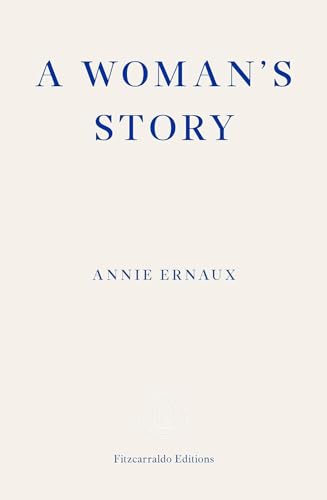
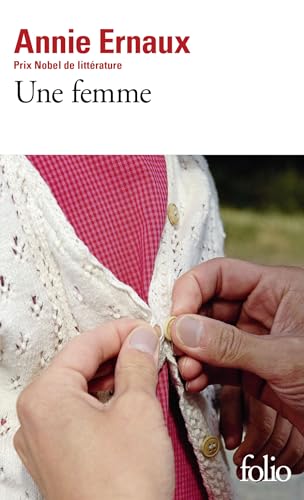
Annie Ernaux, A Woman’s Story (translated by Tanya Leslie 1991, Fitzcarraldo Editions 2024)
I read Annie Ernaux’s The Years before I got to this very slim volume, so I came to it with high expectations. I wasn’t disappointed. In such concise prose Ernaux describes the details of one woman’s life, and iin doing so conjures up a broader world.

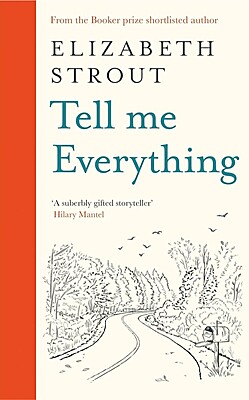
Elizabeth Strout, Tell Me Everything (Viking 2024)
This continues the stories of a number of Elizabeth Strout’s characters, bringing them together as they deal with death, ageing, love and lust. She writes with wit and kindness.

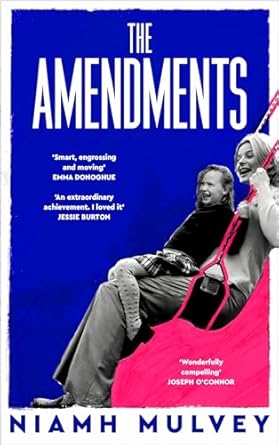
Niamh Mulvey, The Amendments (Picador 2024)
A new Irish writer for me. I hope she writes a lot more. This is a generational feminist tale about a family of women, dealing with the way issues of reproductive rights governed women’s lives before Ireland shifted from Catholic dominance – a shift made because of women demanding change.

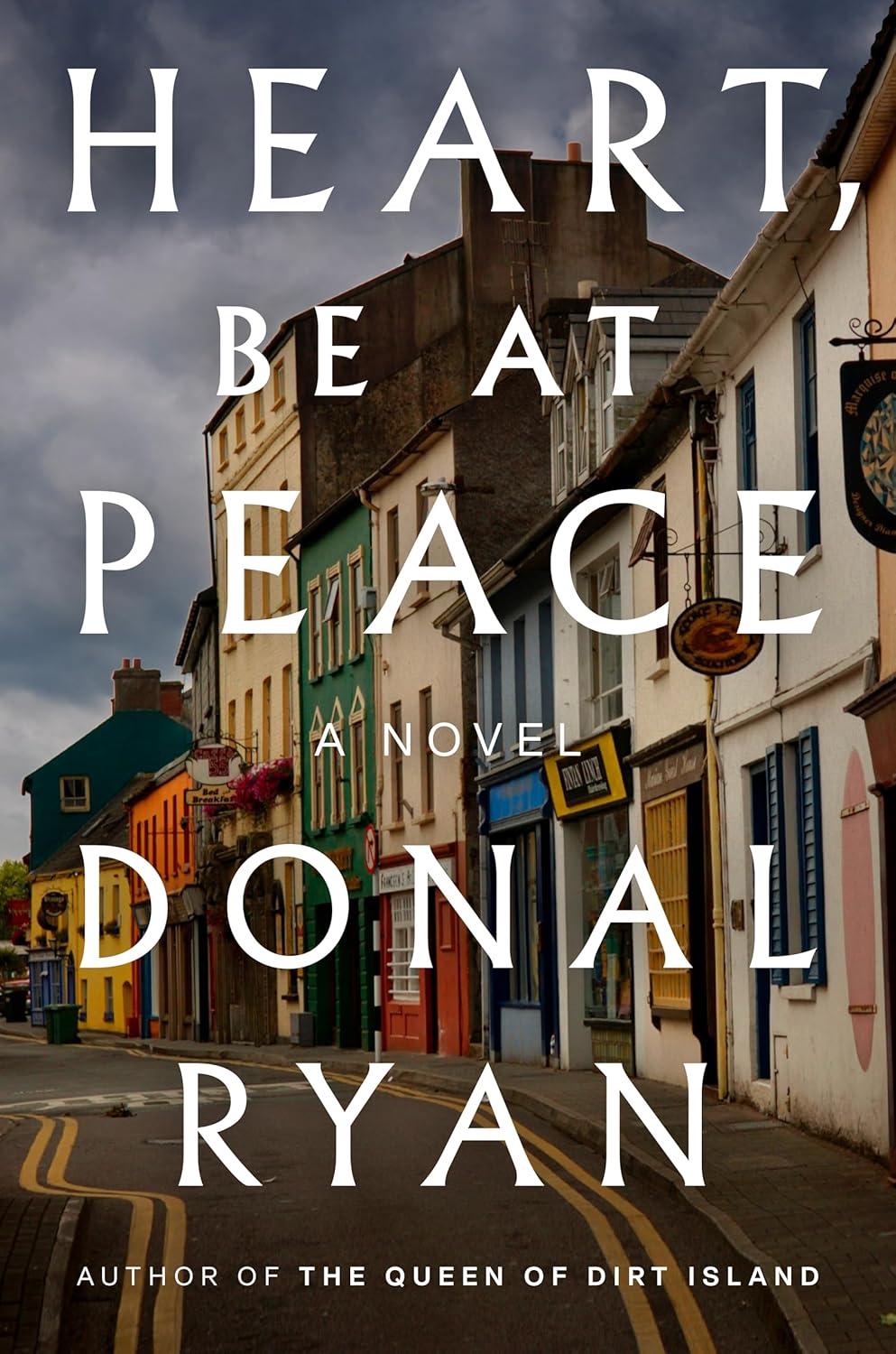
Donal Ryan, Heart, Be at Peace (Doubleday 2024)
I had read two previous Donal Ryan novels, both of which I loved. In this one he continues to create the sense of Irish village community and disunity in the context of the Celtic Tiger and its collapse. Told from multiple perspectives, it builds a picture of complex relationships.

Non fiction
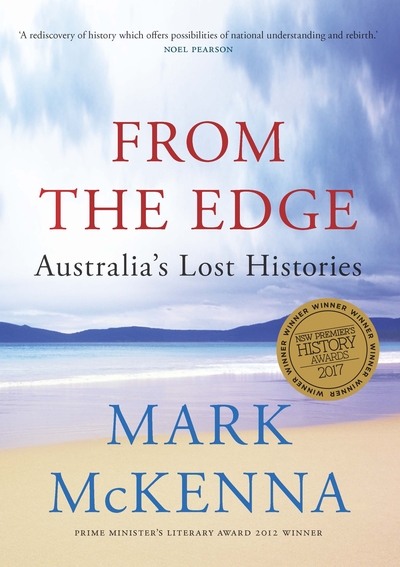
Mark McKenna, From the Edge: Australia’s Lost Histories (Melbourne University Publishing 2016)
Published in 2016, this is still a wonderful way to learn about First Nations and settler interactions. McKenna writes compelling history. These relatively short pieces include the pearl industry in Western Australia, the Barrup Peninsula petroglyphs and mining, early failed attempts to establish a colony in northern Australia, and the brutality of the Palmerston goldfields in north Queensland. They are written with a focus on First Nations agency, and they attempt to understand how colonisation played out in each specific time and place.

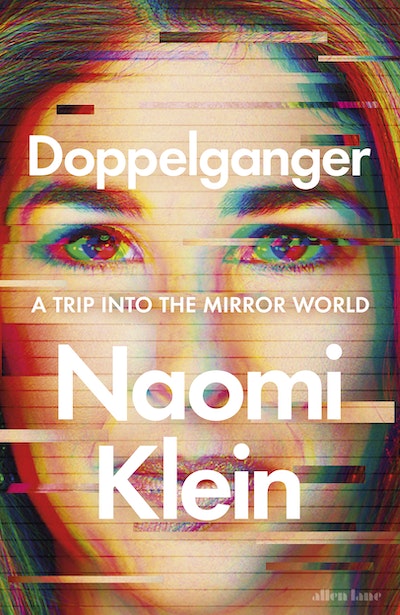
Naomi Klein, Doppelganger: A Trip into the Mirror World (Penguin 2023)
I’m still reading this, having put it down during the US elections as much of what Naomi Klein describes was playing out in the headlines. It’s a fascinating enquiry into the nature of truth, and the way fakery has become entrenched in political discourse.

From me

I can never pick a favourite or best book. My favourite is always the one I’m reading right now, unless the one I’m reading is the book I hate most in the world. Some highlights of 2024 were:

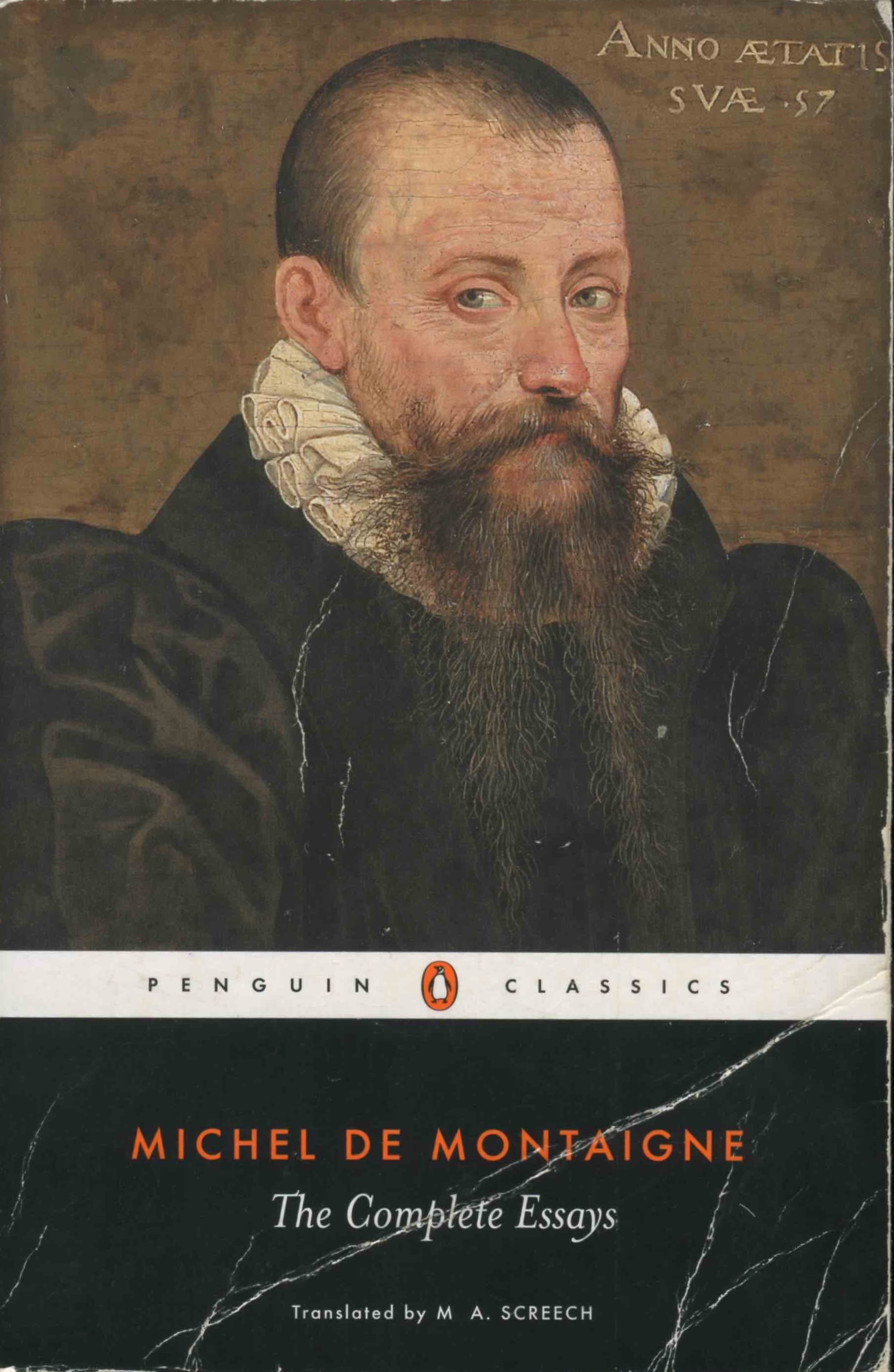
  • Montaigne’s Essays: I have read four or five pages most mornings since the beginning of March, and will have finished the book in a couple of weeks. He has been a great person to start the day with (apart from the Emerging Artist, of course)
  • Blue Mars, the final book in Kim Stanley Robinson’s Mars trilogy has finally made it from my TBR shelf, and it was a most satisfactory experience
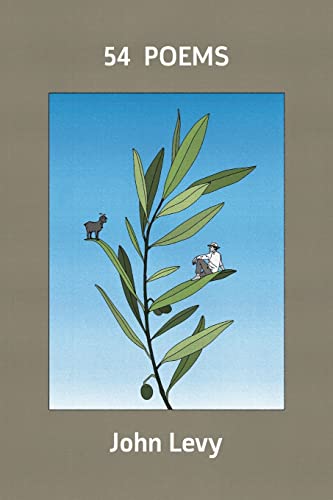
  • the poetry of John Levy, who showed up in my comments to share his enthusiasm for Ken Bolton’s poetry, and offered to send me a copy of his own book. I’m so glad I accepted the offer
  • I read more of Annie Ernaux: if ever I write a memoir, I hope I can manage to be at least slightly Ernauxian
To get all nerdy, I read:

  • roughly 83 books altogether (counting journals but only some children’s books)
  • 34 novels
  • 21 books of poetry
  • 5 comics
  • 6 books in translation – 3 from French (counting Montaigne’s Essays), 1 each from German, Japanese and Chinese
  • 7 books for the Book Group, whose members are all men
  • 12 books for the Book Club, where I’m the only man (two of them to be reviewed after tomorrow night’s meeting)
  • counting editors and comics artists, 45 books by women, 46 by men
  • 3 books by First Nations writers, and
  • 11 books by other writers who don’t belong to the White global minority.

And the TBR shelf is just as crowded as it was 12 months ago.


Happy New Year to all. May 2025 turn out to be a lot less dire than it’s looking at the moment, and (to repeat my wish from last year) may fossil fuels at last be left in the ground. May we all keep our hearts open, our minds engaged, and may we all talk to strangers.
Colleen Z Burke’s Cloud Hands

Colleen Z Burke, Cloud Hands (Feakle Press 2024)

Cloud Hands is Colleen Z Burke’s thirteenth book of poetry.

As in those of its forerunners that I’ve read, its typical poem is a short, impressionistic snapshot of landscape, or especially skyscape, mostly in the inner-west Sydney suburb of Newtown. As snapshots, these poems are mostly embedded in a specific moment, a specific circumstance, so we often get a sense of the life of the person taking the shot, and of the broader context.

There are also memories of a working-class childhood. ‘Each Way’, about gambling as part of the family’s way of life, begins, ‘Minor crime was woven / into our lives just like / the salty tang of the sea.’ (I can relate: my own family of origin wasn’t working class, but my farmer father, like Colleen Burke’s, was a patron of illegal SP bookies.)

There are a three poems (‘Illusion’, ‘A nefarious enterprise’ and ‘A magnet’) recalling youthful romance. Colleen’s partner was Declan Affley, the folksinger who accompanies Mick Jagger’s terrible rendition of ‘A Wild Colonial Boy’ in Tony Richardson’s 1970 movie Ned Kelly. Though it is many decades since he left us, he is still a vibrant presence in these poems.

There are people-watching poems, incidents from inner-suburban life, comments on the news, snippets of science and social history. Covid and the bushfires of 2019–2020 loom large. Climate change and environmental degradation threaten to sour the joys of the natural environment.

This is a collection that bears witness to a persistent practice of paying attention – to the world, to history, to life.

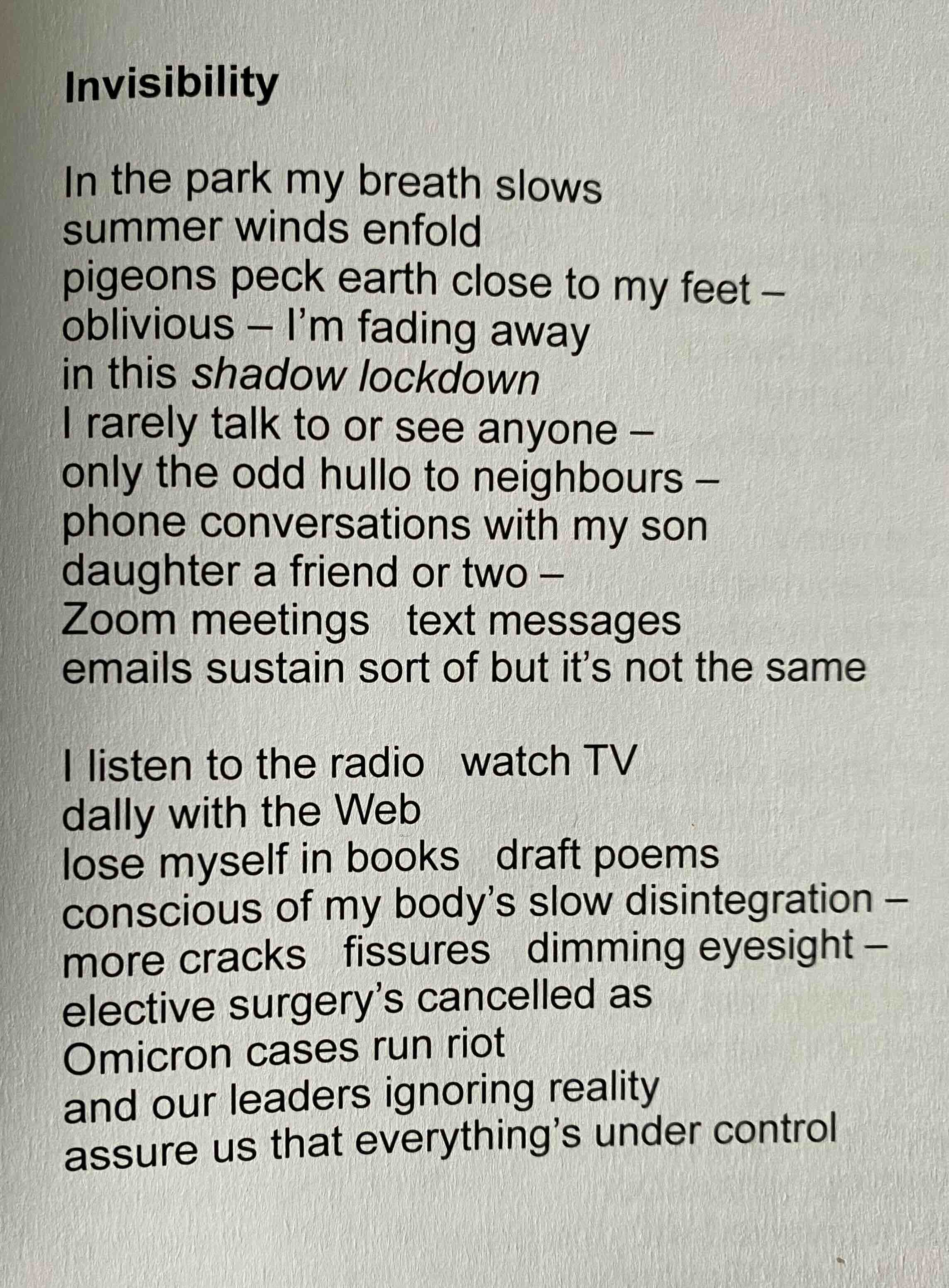
Page 77* is ‘Invisibility’:

Yes, page 77 of the last book I read had a pigeon poem too. But here the pigeons are oblivious rather than chatty, and the despair in the poem is not worn lightly.

This poem is a great example of the value of slow reading. At first quick reading, it’s a straightforward cry of the heart from the dark days of January 2022, when the Omicron variant of Covid was on the rampage in Sydney. In case you need reminding, there were no official restrictions on movement at that time, but Australia had moved from having a remarkably low level of serious illness and death from Covid to having among the highest. The assistance to individuals and businesses from the Federal government had largely dried up, and the Prime Minister of the time was trumpeting a business-as-usual message. Here’s a link to Mike Secombe on that nightmare in The Saturday Paper.

So this poem is, perhaps, an unremarkable record of how one woman suffered in that time: she has minimal contact with other people, she fills her time with solitary activities, and her age-related health issues go unattended to. Like most of us, she finds fault with the Morrison government’s handling of the situation.

That’s all there. But, interestingly, after I started writing this blog post I had a number of conversations that kept sending me back to the poem. One person spoke about a gobsmacking experience using the (I think) Apple Vision Pro goggles – it was as if he was in the room with a musician, could almost touch her. Someone else is reading Naomi Klein’s Doppleganger, and described her account of people involved in the riots of 6 January losing track of the difference between the gaming world and the actual world where there are consequences. Burke’s ‘sort of but it’s not the same’ stops feeling like a banal statement of the obvious and takes on a profound resonance. The poem expresses one woman’s feelings in a specified circumstance, but it sends ripples out well beyond it.

The other thing I noticed as I sat with the poem, or had it sit with me, is the part played by the pigeons. The poem begins, like many of Burke’s poems, with a moment of relaxation in the park – the breeze, pigeons, the earth, her breath slowing down. Then, with the word ‘oblivious’, it turns to the poet’s inner turmoil. The pigeons might have provided a calming anchor, their obliviousness an invitation to pay attention to the present moment. But it was not to be. Skip to the final lines, and the notion of obliviousness returns to round out the poem with ‘our leaders / ignoring reality’. The poem’s speaker is invisible to the pigeons who are engrossed in pecking the earth. She is also invisible to the political leaders who deny that the coronavirus is out of control. The tension between the pigeons’ focus on reality and the political leaders’ wilful ignoring of it is what holds the poem most satisfyingly together.

You can read my blog posts on some of Colleen Z Burke’s previous books here, here, here and here, and on her memoir The Waves Turn here.


I wrote this blog post in Gadigal Wangal country, where I believe Colleen Z Burke also lives. I acknowledge Elders past, present and emerging for their continuing custodianship of this land, over which their sovereignty has never been ceded.


My blogging practice, especially with books of poetry, is to focus on the page that coincides with my age, currently 77.

Journal Catch-up 24

As I have mentioned before, I once had a substantial collection of Meanjins. I parted company with them in the course of moving house, probably forty years ago or so, and I haven’t kept up with Meanjin‘s changing identity since. In 2021 I toyed with the idea of resubscribing, but I may have been daunted by the sheer size of each issue. I have now bitten the bullet.


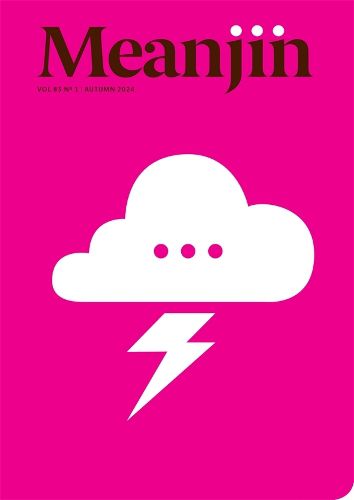
Esther Anatolitis (ediitor), Meanjin Vol 83 Nº 1 (Autumn 2024)
(links are to the Meanjin website: some but not all of them are available to non-subscribers)

This issue is a doozie!

It’s as engaged with current social and political issues as Overland. There are a number of essays on aspects of the Israeli invasion of Gaza, including Sarah M Saleh’s brilliant argument for the importance of Palestinian solidarity movements to the political wellbeing of Australia as a whole. There’s a concise summary article by father and daughter team Stephen Charles and Lucy Hamilton on the role of lies and disinformation in the Voice referendum. There’s a portrait by Jack Nicholls of eco-warrior CoCo Violet. There’s Amy Remeikis on the significance of the (first) Bruce Lehrmann rape case. And more.

It’s as culturally diverse as Heat in its heyday. Editor Esther Anatolitis (Σταθία Ανατολίτη) interviews Peter Polites. André Dao gives the 2023 State of the (Writing) Nation Oration. And more.

It’s as academically challenging as Southerly. See Dan Disney’s esoteric discussion of a Korean verse form and the fraughtness (impossibility?) of translating it, or imitating it, without subsuming it into the linguistic dominance of the English language; or Ianto Ware’s account of the challenges he fac ed in writing about his mother’s life and death.

First Nations writing has a strong presence. Among other things, ‘Ilkakelheme akngakelheme—resisting assimilation‘, a powerful essay by Theresa Penangke Alice, has pride of place before the contents page, and the new poetry editor is Wiradjuri woman Janine Leane.

I learned a lot – from Renata Grossi about the law concerning wills and what happens when they are contested; from Tom Doig about the long shadow of the 2014 Hazelwood disaster; from Marcus Westbury about the possibilities of something like a Universal Basic Income.

There are memoirs, including a brief snippet by Clare Wright, which starts out from an elaborate piece of costumery in the Powerhouse Museum and takes the reader to an unexpected ugly teenage encounter.

There are book reviews, and poetry. I was delighted to read, ‘Thread‘ a new poem by Eileen Chong. Two very different poems, ‘Oomarri—coming home‘ by Traudl Tan with Kwini Elder Ambrose Mungala Chalarimeri, and ‘Dreaming in Bourke‘ Paul Magee, talk to each other across the pages about the importance of country for First Nations people.

I picked up a couple of new words. My favourite is::

  • pipikism, a term coined by Philip Roth, who defined it as ‘the antitragic force that deconsequentalises everything – farcicalises everything, trivialises everything, superficialises everything’. Naomi Klein revisits the term in Doppelganger, her book reviewed in this Meanjin by Sam Elkin.

I’ll give the last word of this post to Peter Polities, whose words on page 77* in some ways speak to the journal as a whole:

I remember when I was in art school … this guy said to me: ‘I’m not political.’ And I was like: What did you say?!?’ I was just so shocked the first time I heard it, but then by the second time, I was so sarcastic: I said, ‘Yeah, what’s political about making goods for a luxury market?’ So this is what these kids wanted to be: to create work that you hang above a fucking couch for rich people. My interest in art is as a site for intervention, a site for politics, and culture is one of the most political things that we have.


I finished writing this blog post in stunningly beautiful Kuku Yalanji country, to the tune of parrots, curlews and the calls of other birds I don’t recognise.


* My blogging practice for some time has been to focus arbitrarily on the page of a book or journal that coincides with my age.

2015 favourites

Each December we – that is, me and the Emerging Artist formerly known as the Art Student – compile a list of our favourite books and films of the year. We’ve been caught this year with minimal internet coverage (and maximal sun, sand, beach, bush and rain, especially rain) so we’re running a bit late.

Three movies made both our top five lists:

ToY

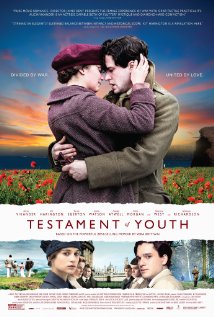
Testament of Youth (directed by James Kent), from Vera Brittain’s memoir, screenplay by Juliette Towhidi: A World War One film in the year when idealising  Gallipoli  was big in the headlines, it doesn’t focus on the battlefield but on the effects of the war on the combatants and their families and loved ones. It makes a powerful pacifist argument.

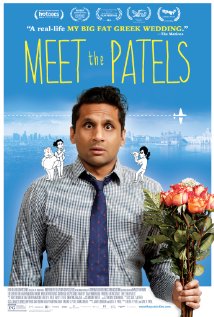
Meet the Patels (Geeta Pavel, Ravi Patel 2014): We saw this at the Sydney Film Festival. It’s unlikely to get a theatrical release, but it’s a very funny documentary about match-making among first generation Americans of Indian heritage. It’s really about intergenerational relationships. The EA says it’s a must-see for every parent.

hnmm

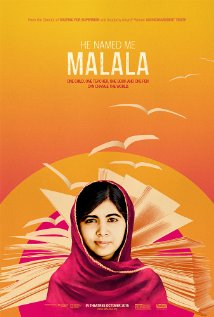
He Named Me Malala (Davis Guggenheim 2015): Another documentary, this one could be seen as hagiographic, but Malala Yousafzai is a remarkable young woman. I loved the way she spoke with the absolutism of teenagehood from a position of influence to tell the president of Nigeria to do his job and ensure the safety of the girls abducted by Boko Haram.

The Emerging Artist’s other two:

selma

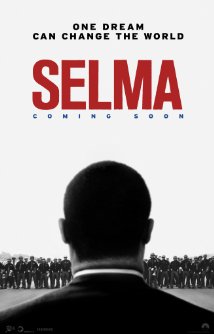
Selma (Ava DuVernay 2015): A flawed movie, but it conveyed the experience of ordinary people taking part in Civil Rights marches. The leadership of the march across the bridge was particularly interesting: how to think strategically, resisting the push to be seen to take ‘decisive action’. The filmmakers weren’t given permission to use Martin Luther King Jr’s actual speeches, but the ones written for the film caught his style brilliantly.

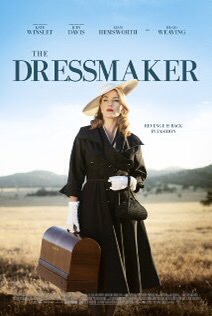
 The Dressmaker (Jocelyn Moorhouse 2015): The humour, the flamboyance, the over-the-topness of it. Kate Winslett was marvellous. So was Hugo Weaving. In fact, there were no weak performances.

My other two:

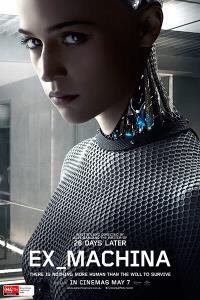
 Ex Machina (Alex Garland 2015): The thing that stays in my mind is the image of the artificially intelligent creations – a fabulous effect where we see the cogs and wheels whirring away inside what is otherwise a human head. The story worked very well too.

ffm

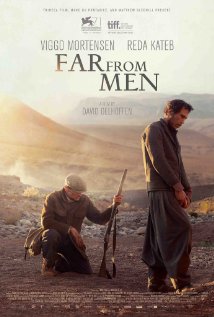
Far from Men (David Oelhoffen 2014): Apart from enjoying the easy irony that there were only men in most of the film (should it have been called Far from Other Men?), I was transfixed by this slow, beautiful film of a pied noir (Algeria-born white Frenchman) escorting an Arab prisoner through the austerely photogenic Atlas Mountains.

The EA’s top five books:

The EA’s reading year was bookended by titles that brought home the harshness of the oppression of gay men and lesbians, even in times and places where one might think it was comparatively mild. Damon Galgut’s Arctic Summer deals with novelist E M Forster’s agonising life in the closet, and the part of Magda Szubanski’s memoir, Reckoning, that tells the story of her coming out is genuinely harrowing.

But those books are in addition to her actual top five. Here are those, with her comments:

1846145066

Naomi Klein, This Changes Everything: This is a bracing book that everyone needs to read. We all know about climate change in a general way, and we know that powerful vested interests fight attempts to respond effectively. Naomi Klein gives detail and challenges us not to look away.

ioc

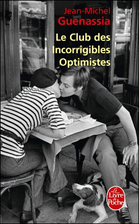
Jean Michel Guenassia,  The Incorrigible Optimists Club: A novel about Soviet bloc refugees in Paris at the time of the Algerian War of Independence, this includes a coming of age story.

1743319118

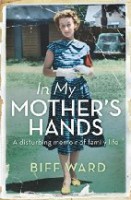
Biff Ward, In My Mother’s Hands: Excellent memoir of a 50s childhood. Buff Ward’s father was prominent left wing historian Russel Ward, so the domestic story includes elements of red-baiting. But the real power of the story is in her mother’s intensifying irrationality and the family’s attempts to deal with it.

1408703483

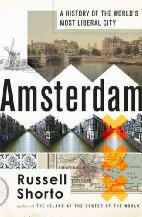
Russell Shorto, Amsterdam: A History of the World’s Most Liberal City: The birth of liberalism without the US-style individualism. This is not a travel book. It’s very accessible, thoroughly researched history that compelled at least one person to read big chunks aloud to her partner. The history of Europe looks different after reading this .

9781742232430

Vivien Johnson, Streets of Papunya: Vivien Johnson has been involved with the Western Desert artists for decades. An earlier book told the story of the great Papunya Tula artists. This book tells the story of Papunya itself, especially after many of those artists left. Art is still being made there, by a new generation, mostly women.

My top five books:

I read at least 12 books in 2015 that did what you always hope a book will do: delighted, excited or enlightened me, changed the way I felt and/or thought about the world. I whittled the list down to five by selecting only books that touched my life in explicit ways. Here they are i order of reading:

1781251088

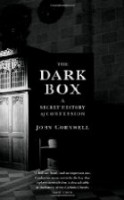
John Cornwell, The Dark Box (2014): A history of the rite of Confession in the Catholic Church. The confessional was a big part of my childhood. I’ve dined out on a story of going to confession with Brisbane’s Archbishop Duhig when I was about thirteen. He asked in a booming voice that I was sure could be heard by everyone in the cathedral outside, ‘Would these sins of impurity have been alone or with others?’ Cornwall’s book felt like a very personal unpicking of that moment and the whole cloth it was spun from.

1555976905

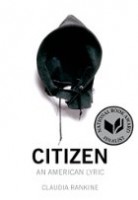
Claudia Rankine, Citizen: An American Lyric (2014). What can I say? I’m white. In laying out the way a word or phrase between friends or strangers can disrupt day-to-day life, so that the ugly history of racism makes itself painfully present, and linking those moments to the public humiliations of Serena Williams and the violent deaths of so many young African-American men, the book is a tremendously generous gift. It and Ta-Nehisi Coates’s Between the World and Me share this generosity of spirit.

dmfp

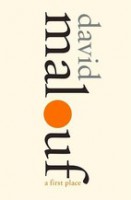
David Malouf, A First Place (2015): I haven’t blogged yet about this collection of David Malouf’s essays. It feels personal to me because David lectured me at university, but also because he is a Queenslander, and these essays explore what that means. Even though he is from what we in north Queensland used to call ‘Down South’, these essays fill a void I felt as a child – I was a big reader, but the world I read about in books only ever reflected the physical world I lived in as an exotic place.

talking-to-my-country

Stan Grant, Talking to My Country (2016): I was privileged to read this ahead of publication. Stan Grant is a distinguished Australian TV journalist. This book, part memoir, part essay, gives a vivid account of growing up Aboriginal. It includes the most powerful account of a ‘mental breakdown’ I have ever read, not as a medicalised episode of ‘depression’, but as the result of generations of pain inflicted by colonisation refusing to stay at bay.

The-Fox-Petition

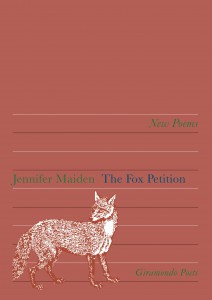
Jennifer Maiden, The Fox Petition (2015): I love this book in all sorts of ways. I love the way the image of the fox recurs – a literal fox, a fox as in Japanese folk lore, Whig politician Charles Fox. I love the chatty voice, and Jennifer Maiden’s trademark linebreaks after the first word of a sentence. I love the argumentativeness. I love the playful, almost silly, resuscitation of the distinguished dead to confront those who claim to be inspired by them. I love the way Jennifer Maiden makes poetry from the television news the way some poets do from flowers.

And now, on to 2016! I’m already about eight books behind in my blogging.

Sydney Ideas: Gregory Crewsdon

Sydney Ideas is a program of public lectures presented each year by Sydney University. The Art Student* and I have attended sporadically, always to our benefit. Tim Flannery on global warming, Sara Roy on Palestine and Margaret Levi on trade unions and social justice in the US and Australia, for instance, stand out. All of those lectures were at the Seymour Centre, on the edge of the university’s sprawl. This year, the program seems to have migrated across City Road into the grounds of the University itself. On Friday night we went to see US photographer Gregory Crewsdon in the new Law School building. At least it’s new to me, and as I approached it from the west, I was gobsmacked by the way it opens out onto a view of Victoria Park and the city.

This was probably the best attended talk that we’ve been to in the series., possibly because it was co-hosted by the Power Institute and attracted Fine Art students, possibly because Gregory Crewsdon is a celebrity among those students. Certainly, it was a young crowd.

The talk was interesting, with slides of Crewsdon’s work and books on sale in the foyer. His photographs were described in the publicity for the talk as ‘disturbingly beautiful, large-scale, small-town American landscape narratives’. He chatted interestingly about them to an Art Professor and then answered questions. We left  half way through the inevitable question using words like eidos and had an animated conversation over dinner about artists and entitlement.

You see, ‘large-scale, small-town’ images require enormous resources in the making. Crewsdon started out with what he called a ‘renegade’ process. Without any kind of permit, but with the cooperation of the local people, he took images from a high crane of people doing odd things: laying turf in the main street, planting flowers like traffic calmers and so on. He moved on to creating works on sound stages, that had David Lynch or Hitchcock–like neurosis hovering in the frame. And then, he took ‘the work’ outside again, and here’s where questions of entitlement came up for us. To create the image he wants, he might need to have a house on fire – the local fire brigade supplies him with a dozen houses they are willing to burn down for his purposes. He needs snow but not enough has fallen, so he brings in a snow machine. To create a single image, he has a huge crew, including a Director of Photography. The ‘renegade’ work involved engagement with a community. Once he had official status and access to more resources (no one said where the money came from, but he is a professor at Yale), the process looks much more like big business – all the paraphernalia of a movie set. The Art Student and I had been listening earlier in the day to Naomi Klein’s TED talk about advanced capitalism’s reckless plundering of resources. It was hard not to see Crewsdon’s artistic process as part of that recklessness: ‘I want this image to show a certain psychological state of alienation, and I’ll do whatever I need to do to make it.’ Carbon footprint? Social impact? Cost–benefit ratio? Not relevant. I remember Richard Wherrett saying decades ago – yes, I am a Baby Boomer – that theatrical productions like Jesus Christ Superstar were of dubious morality because of the human cost of mounting them: more than one person died building the sets of the Sydney production. As far as I know no one has died for  a Gregory Crewsdon photograph, but houses have been destroyed in a nation where homelessness is a significant problem. But then, how do you calculate the cultural benefit created?

Sadly, the Art Student, for whom these concerns were most vividly in mind, was too cranky to put them as a question rather than an attack.
—–

* She insists that one journalist calling her an artist doesn’t change anything. She’s still a student, and arguably still in kindergarten.