Monthly Archives: Dec 2023

End of Year List 4: Books

From the Emerging Artist, in her own words (links to the LibraryThing pages or, at her request, to my blog post when there is one):

Non fiction
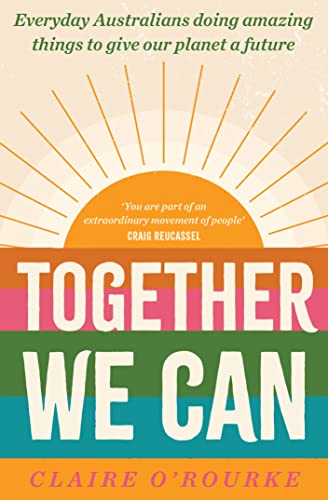
Claire O’Rourke, Together We Can (Allen & Unwin 2022)
I read this after hearing Claire talk on a Sydney Writers’ Festival panel on how to have hope in relation to climate change. It’s a good read, mixing specific examples of everyday Australians tackling what’s happening with broader theory on how to bring about change. It does fulfil its title, giving a real sense that “together we can”.

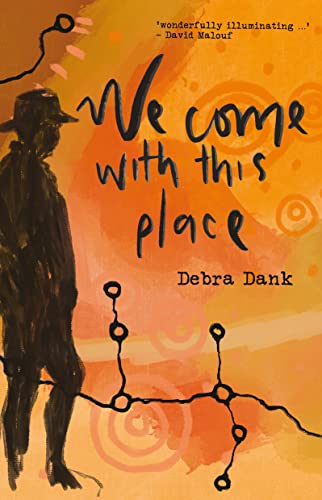
Debra Dank, We Come With This Place (Echo Publishing 2022)
We watched this book win four awards and heard Deborah Dank’s speech at NSW Premier’s Literary Awards 2023. We immediately went out to buy it. The writing is beautiful, a slow evocation of country and its connection to the author, while filled with story. I think it’s the must read of the year.

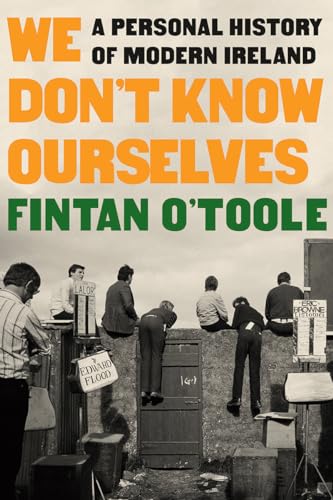
Fintan O’Toole, We Don’t Know Ourselves, a personal history of Ireland since 1958 (Head of Zeus 2021)
Hearing Fintan on the ABC’s Conversations, I immediately placed an order and waited patiently for four months for it to arrive. I’m glad I did. It’s written in short chapters in chronological order, but often picking up themes from chapter to chapter. It’s funny while documenting the appalling state of Ireland from 1958 through personal history, statistics and other sources. The incredible poverty (no running water in homes or sewage, no education for 80% of the population past primary school) made worse by the stranglehold of the Church and corruption in keeping poverty in place and the changes brought about by the impact of globalised capitalism all come alive in riveting storytelling.

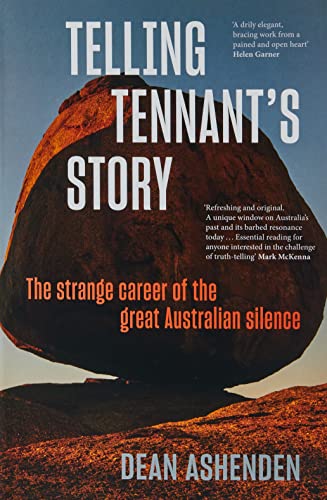
Dean Ashenden, Telling Tennant’s Story: The Strange Career of the Great Australian Silence (Scribe 2022)
A very readable history of post WWII Australian policies in relation to First Nations people where the impact of the policies on Aboriginal people in a specific area – Tennant Creek – are made clear. It tells how the policies of assimilation and later self determination came about and how far-reaching their effects have been. It would have been good for all those voting no to have been made to read this as a requirement for having a say.

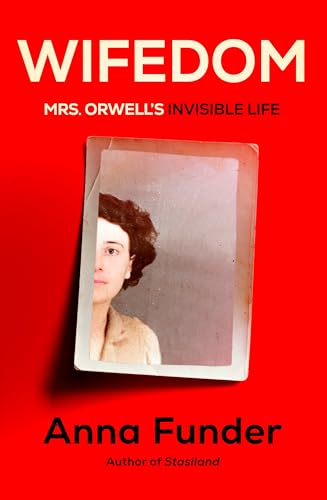
Anna Funder, Wifedom: Mrs Orwell’s Invisible Life (Penguin 2023)
So much has been written about this book already I don’t need to give a summary. I found it gripping. 

Fiction
I read 62 books this year, from quick comfort ‘junk’ reads to harder literary tomes. I take a photo of each book to prompt memory, and going through them all, it’s clear I have had an excellent selection to choose five favourites from. I’ve ended up deciding by level of enjoyment, not on some literary merit criteria.
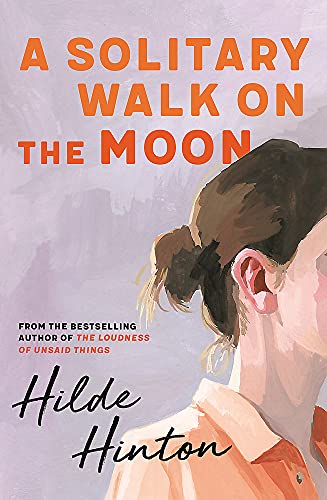
Hilde Hinton, A Solitary Walk on the Moon (Hachette AUstralia 2022)
A totally enjoyable read while disquieting in its simplicity. This is a second novel by an Australian author who seems to slipped under the radar. I found it in my local library. 

Annie Ernaux, The Years (Fitzcarraldo Editions 2018)
This was also an entrancing read, covering a similar time period to my own life. It conjures up the similarities and immense differences between growing up in middle class France and Australia.

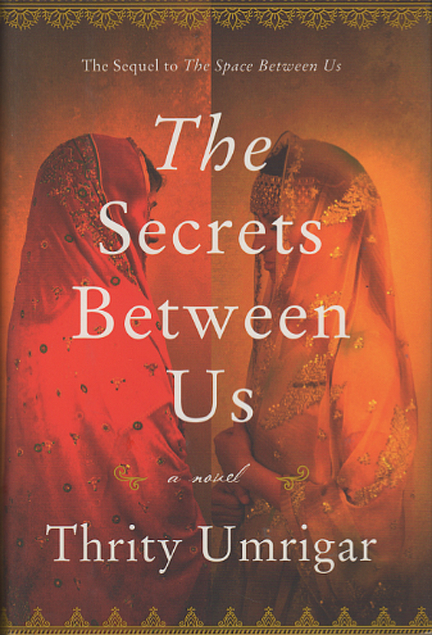
Thrity Umrigar, The Secrets Between Us (HarperCollins 2018)
Another library chance find. I loved the three strong old women protagonists, the exploration of caste and how this is/isn’t changing in modern India.

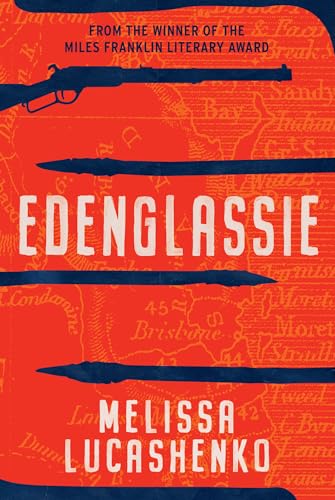
Melissa Lucashenko, Edenglassie (University of Queensland Press 2018)
This was gripping rather than straight out enjoyable, with a sense of what was to come on every page. I loved the imagined world of life at the point where the strangers are staying and growing in number, while keeping your own way of life intact.

Richard Russo, Somebody’s Fool (Allen & Unwin 2023)
Jonathan hasn’t yet been lured into the wonderful world that Richard Russo writes about, but I expect that to change soon. This is the latest in a series that includes Everybody’s Fool and Nobody’s Fool, all set in small town east coast USA. The books follow a number of interconnected characters over a few generations recording the process of change as late capitalism, racism and gender are played out in the town of Bath. He writes with affectionate humour about all of his characters. We see their frailties and appalling behaviour (between white and black, men and women, different generations) but in a number of cases we see how their connections with each other bring a shift in perspective. I love them. 


From me

I read 83 books (counting journals but not children’s books). I finished my slow read of Middlemarch and read St Augustine’s Confessions, a little each morning, but didn’t start another slow read in September because I was doing the Kelly Writers’ House course in Modern and Contemporary American Poetry (ModPo), which was great fun and probably taught me a lot.

I read:

  • 21 books of poetry
  • 26 novels
  • 4 comics
  • books in translation from Chinese (2), Spanish (3), French (2), Danish (1 or 3, depending on how you count), Russian (1) and Latin (1), and bilingual books containing Greek (1) and Maori (1)
  • counting editors and comics artists, 44 books by women, 39 by men
  • 12 books by First Nations writers, and
  • 15 books by other writers who don’t belong to the White global minority.

Biggest serendipity: Four books spoke powerfully to each other and to me in the wake of the referendum on the Voice: Debra Dank’s We Come with This Place, Melissa Lucashenko’s Edenglassie, Dean Ashenden’s Telling Tennant’s Story and David Marr’s Killing for Country (no blog post yet). Unlike Voice and Treaty, the third proposal from the Uluṟu Statement from the Heart – Truth – doesn’t have to wait for government action. These books, and so many others with them, are moving that project forward brilliantly and unsettlingly.

The most fun was probably two novels about poetry, which also spoke to each other: Chilean Poet by Alejandro Zambra and The Anthologist by Nicholson Baker.

Most interesting new discovery of someone who has been writing for decades: 2022 Nobel Prize laureate Annie Ernaux. I read Les années and Mémoire de fille, both of which mine her life story in ways that make most memoirs seem dull. Though I read them in translation, it seems right to name them in French.

Most imaginatively huge was Alexis Wright’s novel Praiseworthy, which incidentally is set in some of the same localities as Killing for Country.

Most memorable poetry: Sarah Holland-Batt’s Jaguar, with Ken Bolton’s Starting at Basheer’s (no blog post yet) a close second, the first for its precise, compassionate treatment of the poet’s father’s final illness, the latter because it filled me with joy about the everyday.


Happy New Year to all. May 2024 see the rejection of authoritarianism in elections and an end to mass killings everywhere. And may fossil fuels at last be left in the ground. Failing that, may we all keep our hearts open and our minds engaged.

End of Year list 3: Theatre

I saw 14 live shows this year, including a one-hander at the tiny theatre just down the road, a couple of children’s shows in tents, some spectacular theatricality, some intense intimacy, classics, debuts, some tedium, and more than one thrilling success.

Best children’s show was Morgan James’ Pocket Sized Circus at the Sydney Fringe had his audience eating out of his hand. Among other splendours, he made quiet, direct contact with a crying child in the audience without interrupting the general hilarity.

The Emerging Artist and I gave top billing to Into the Woods ((James Lapine & Steven Sondheim 1987) at Belvoir Street Theatre, directed by Eamon Flack. I went fearing the worst as I’ve seen some disastrous productions of Sondheim shows, but I was thrilled by the stagecraft as much as by the ingenious rhyming in the songs.

Our runners up, bot at Nimrod Street, were:

For the Emerging Artist, Robyn Archer: An Australian Songbook, which surpassed all expectations.
For me, Mikhail Bulgakov’s The Master and Margarita adapted for the stage and directed by Eamon Flack. We saw a preview night, and had the extra joy of an introduction by Eamon in which he said his seat up the back had been covered earlier that day with bits ot grey matter from all the last minute adjustments to the script. I knew nothing about the novel and went in expecting grim Soviet-era resistance rather than joy, mayhem and heroic nudity. I was inspired to verse.

End of Year List 2: TV series

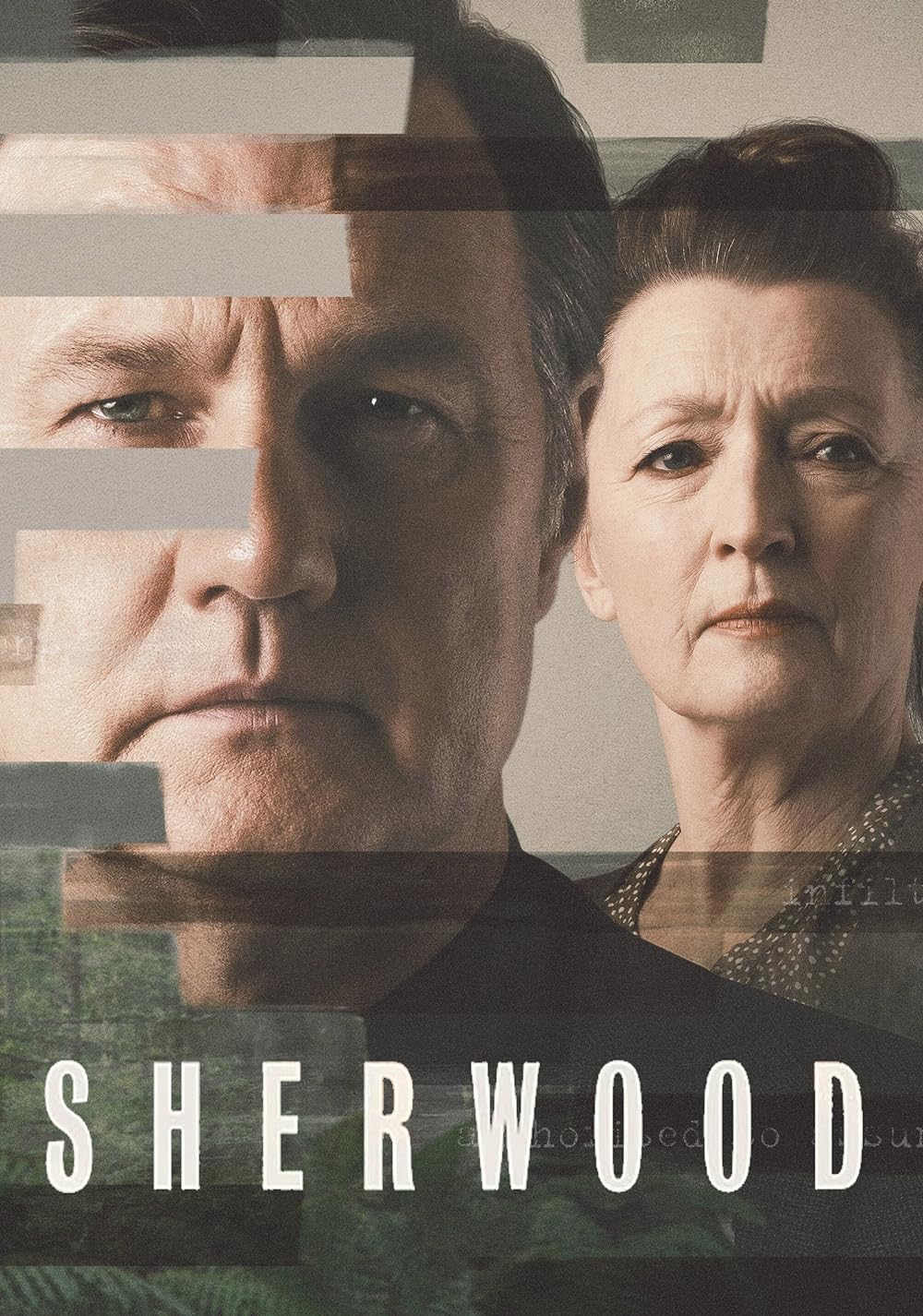
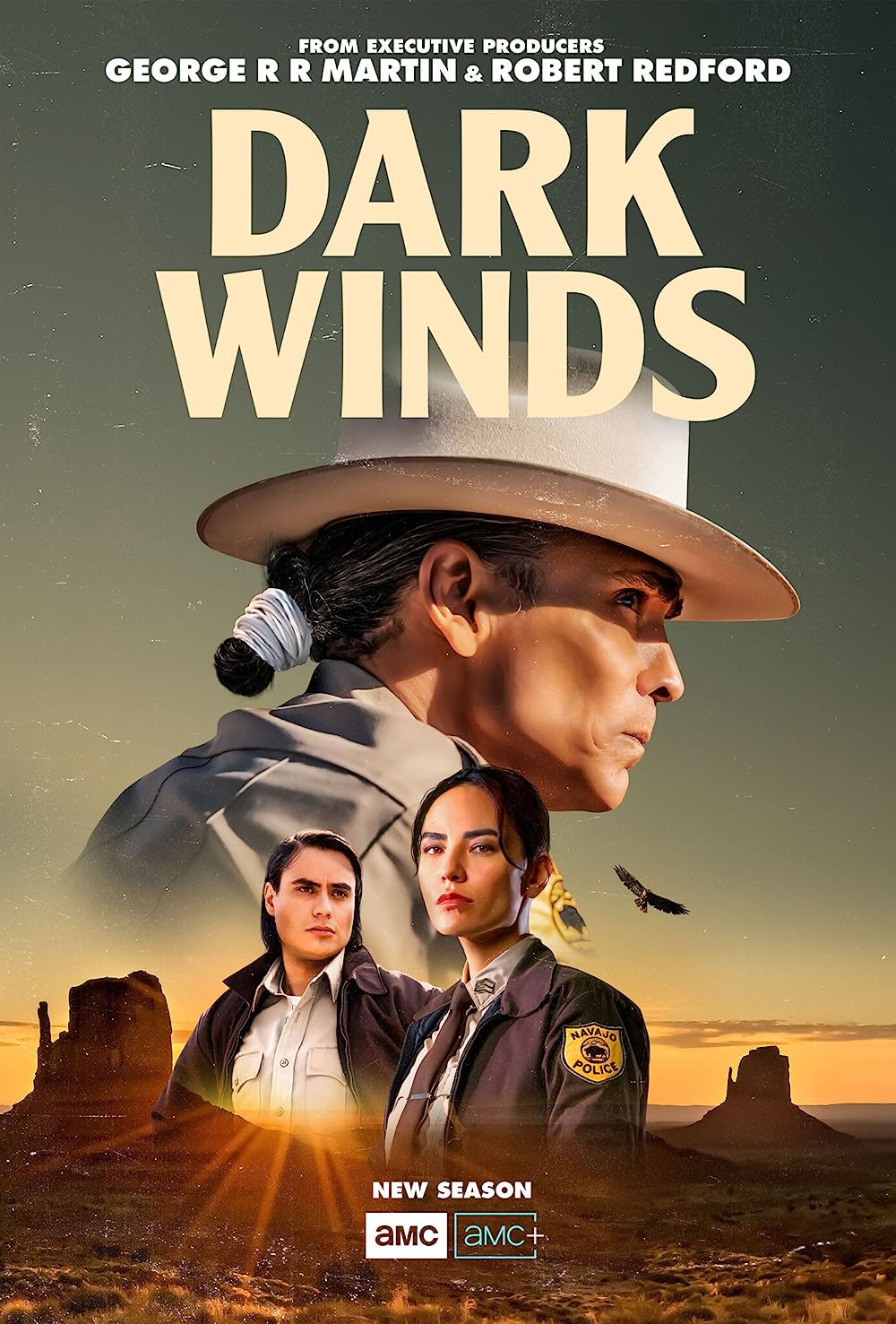
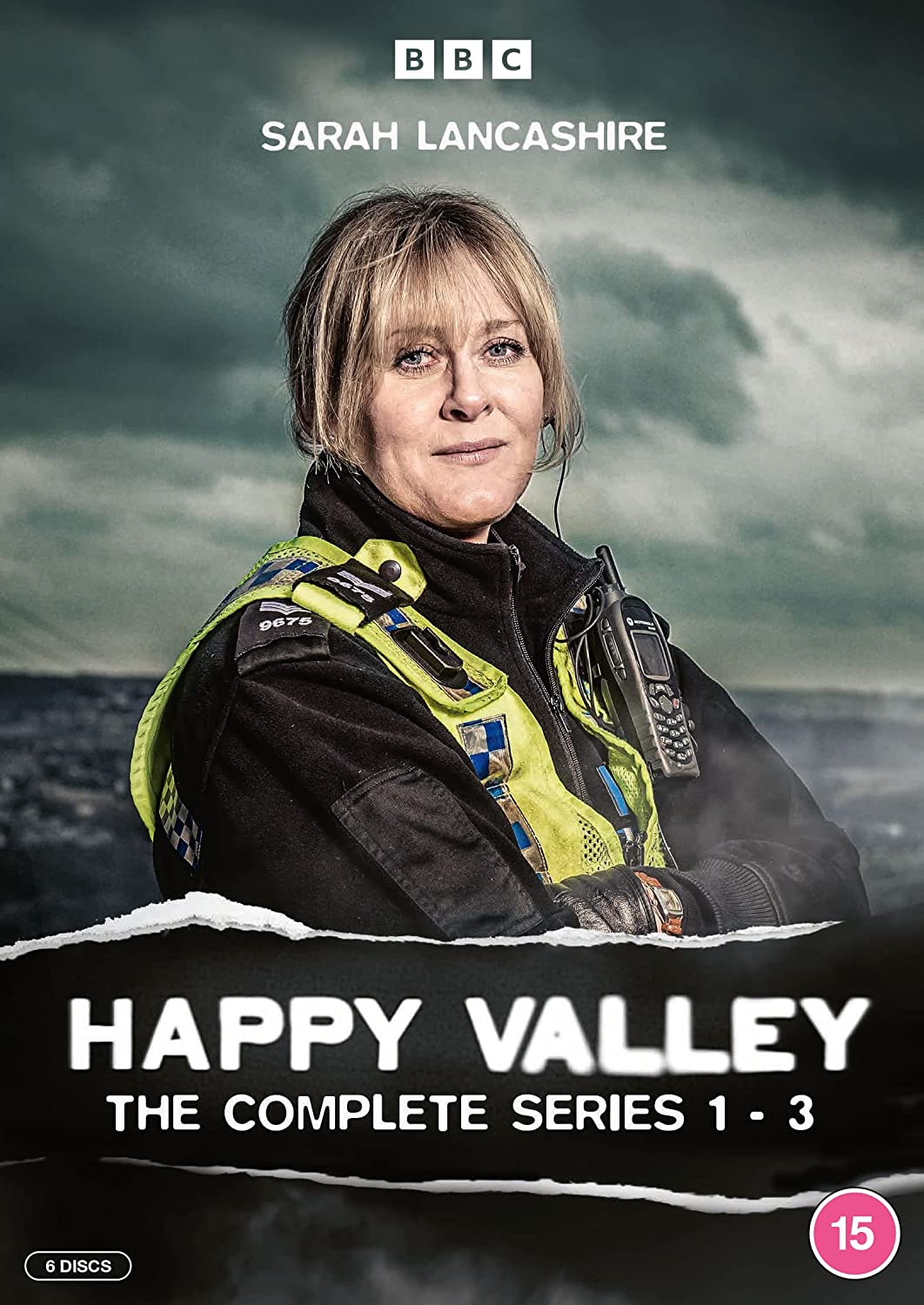
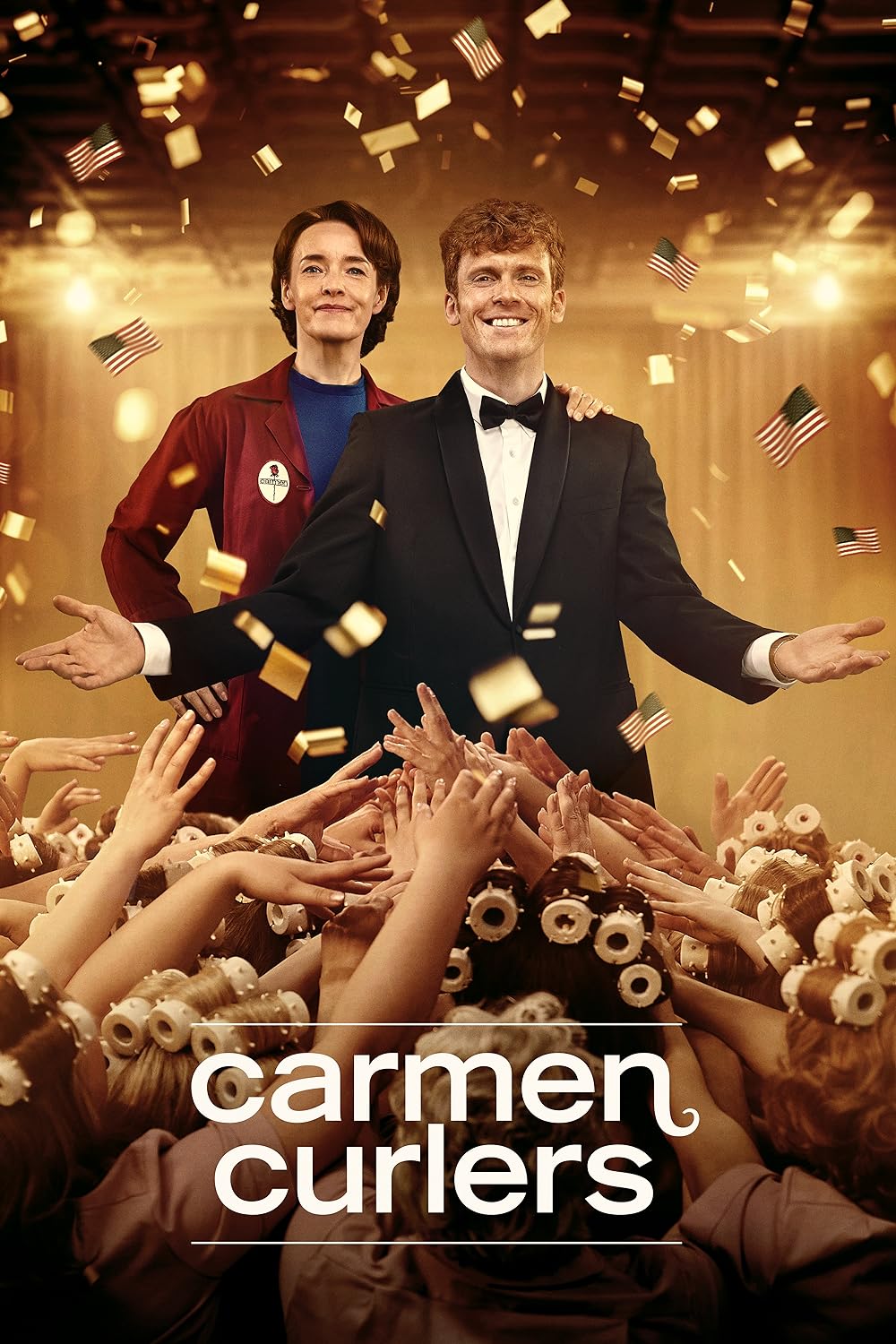
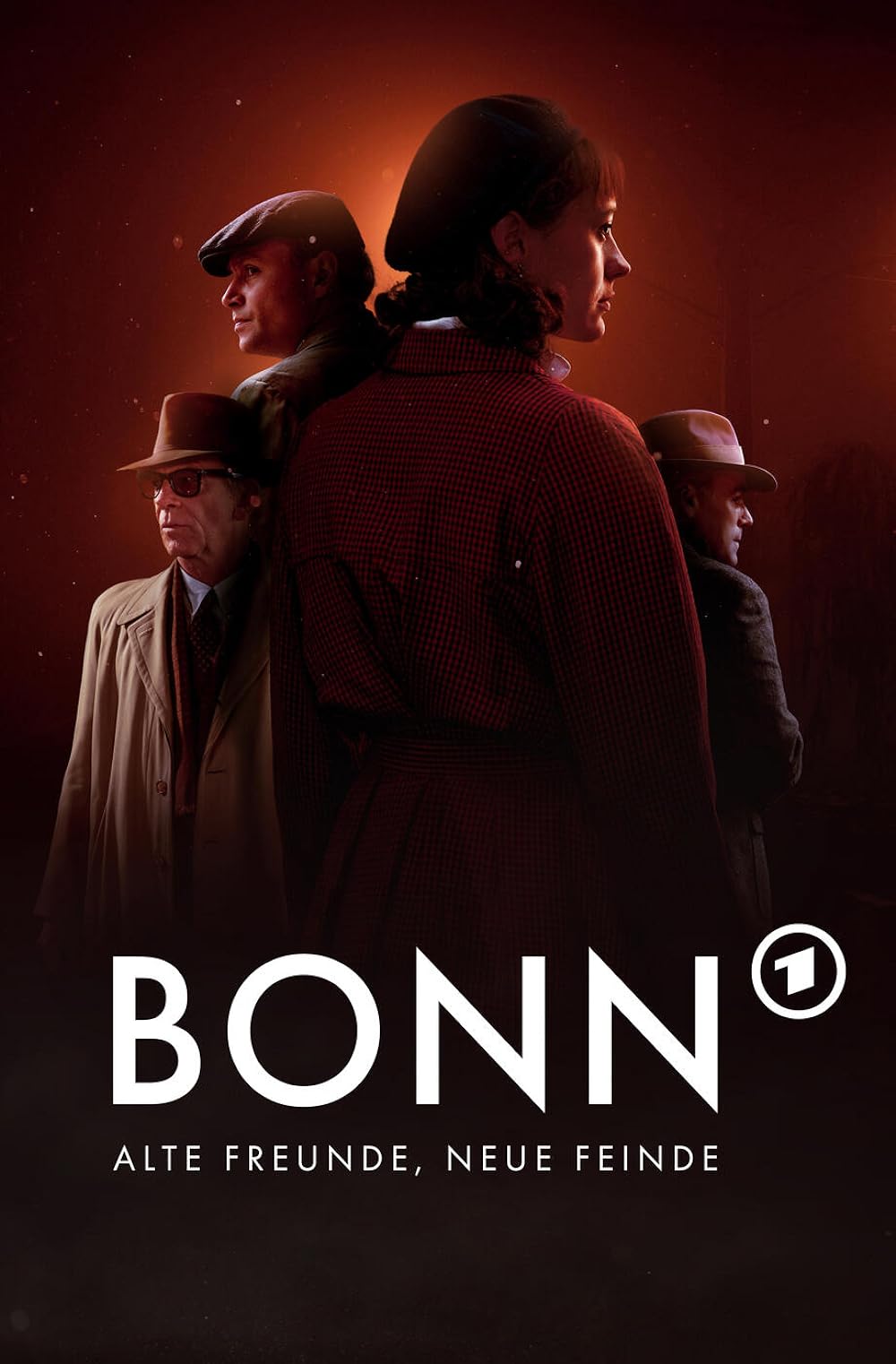
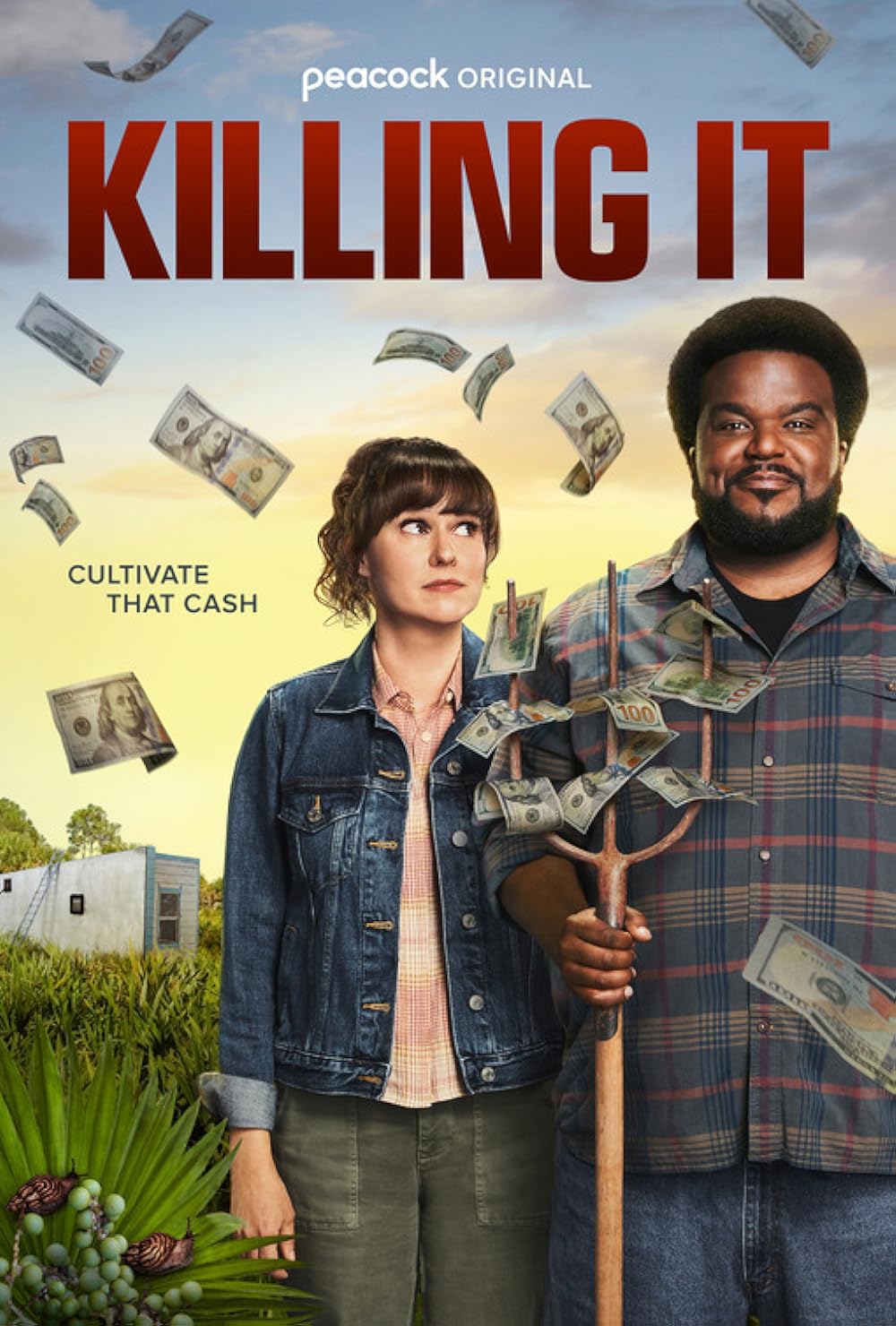
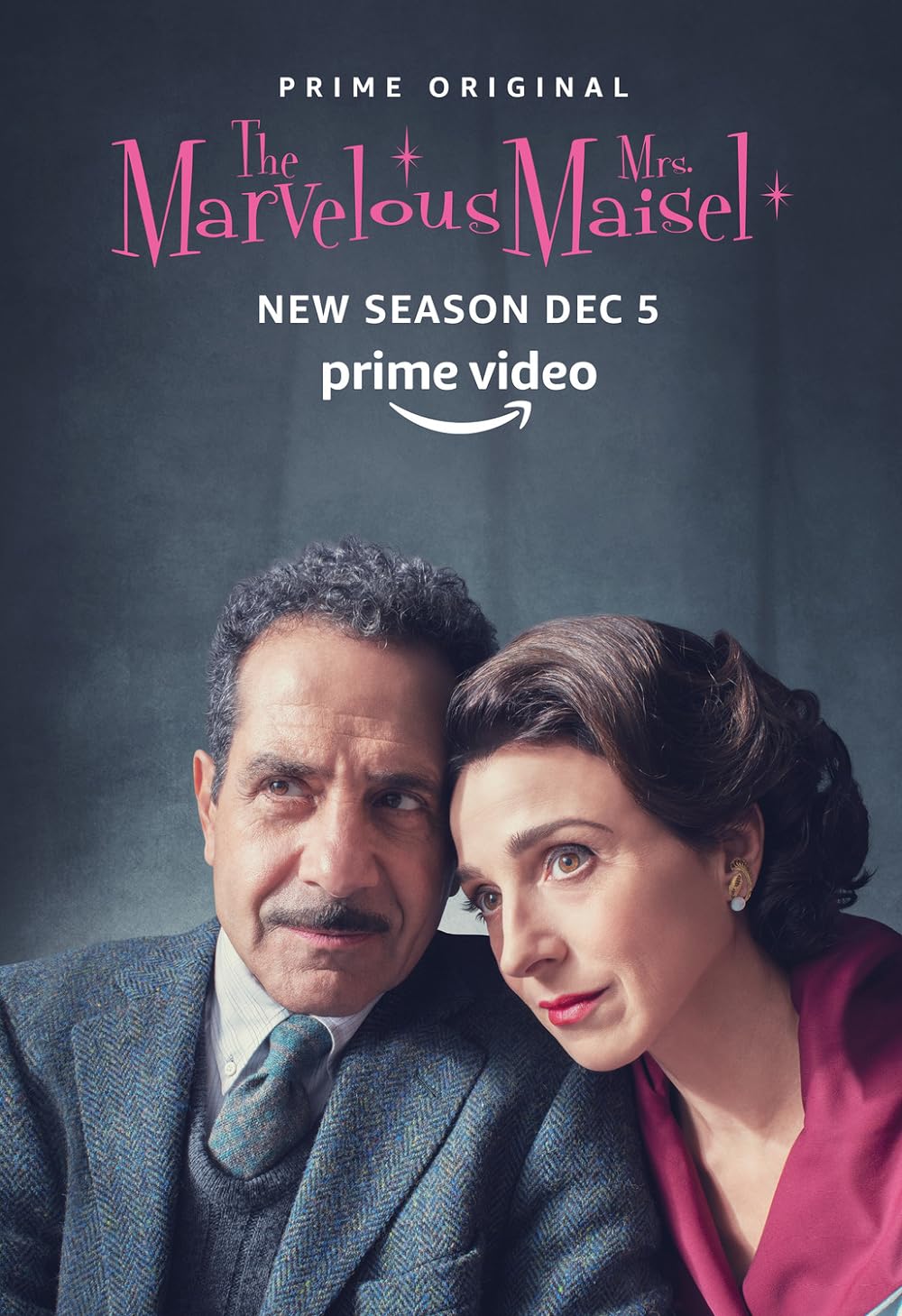
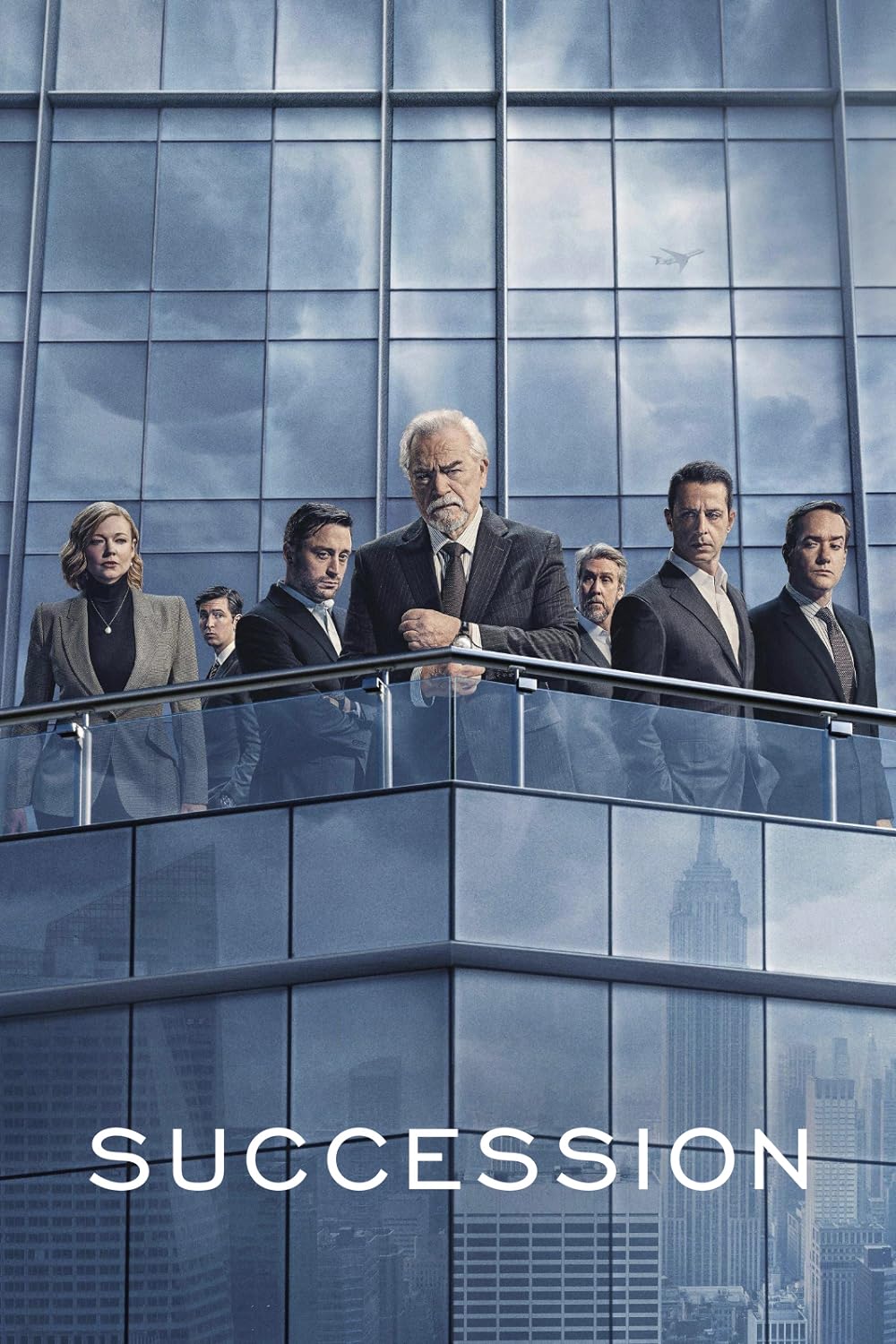
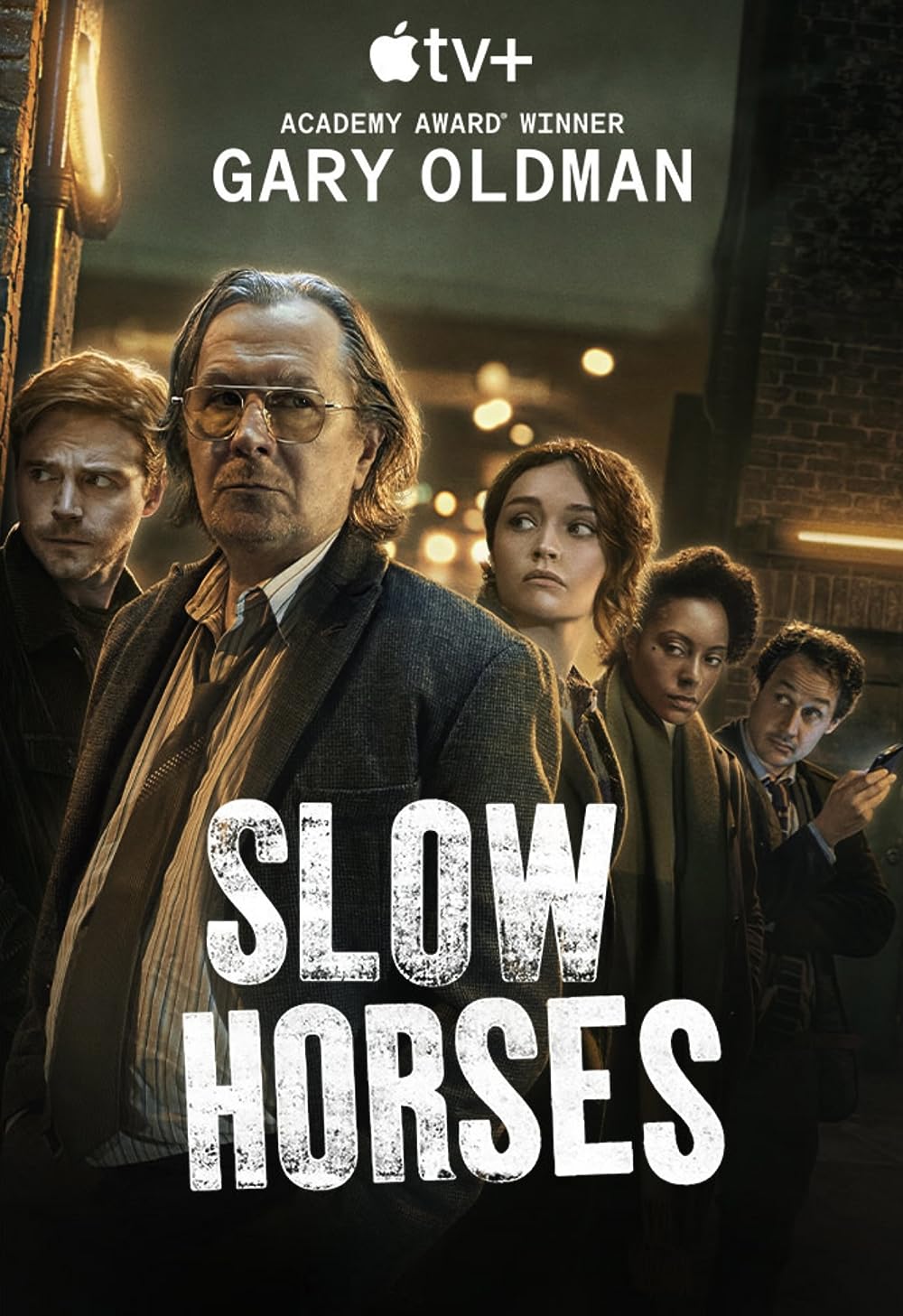
I watch too much television, but at least in 2023 an awful lot of it has been very good.

Last year we allowed ourselves to name just three shows. This year we decided to have two or three in each of five categories, and then in one of the categories we had to break that rule. It’s probably true that in every category we would have chosen different titles on another day. Three of the ones we chose were the final seasons of longer-running shows, all of them most satisfactory conclusions.

Cop shows

Documentaries / reality TV

Historical fiction

Comedy

Drama

Next, a much shorter list: Theatre

End of Year List 1: Movies

The Emerging Artist and I are drawing up our Best Of 2023 lists. Instead of giving them in one long post, I’m spreading them over two or three.

Movies

We saw roughly 80 movies, including streaming and TV. That’s a rough figure because we didn’t always see movies with each other, and I’m not absolutely confident in my records. Here are the ones we both put at the top of our viewing year, excluding old movies we’ve enjoyed all over again, and excluding a couple that only one of us would have put there – this is a ruthless process. We tended to see children’s films with other companions, so those are exceptions to the consensus requirement.

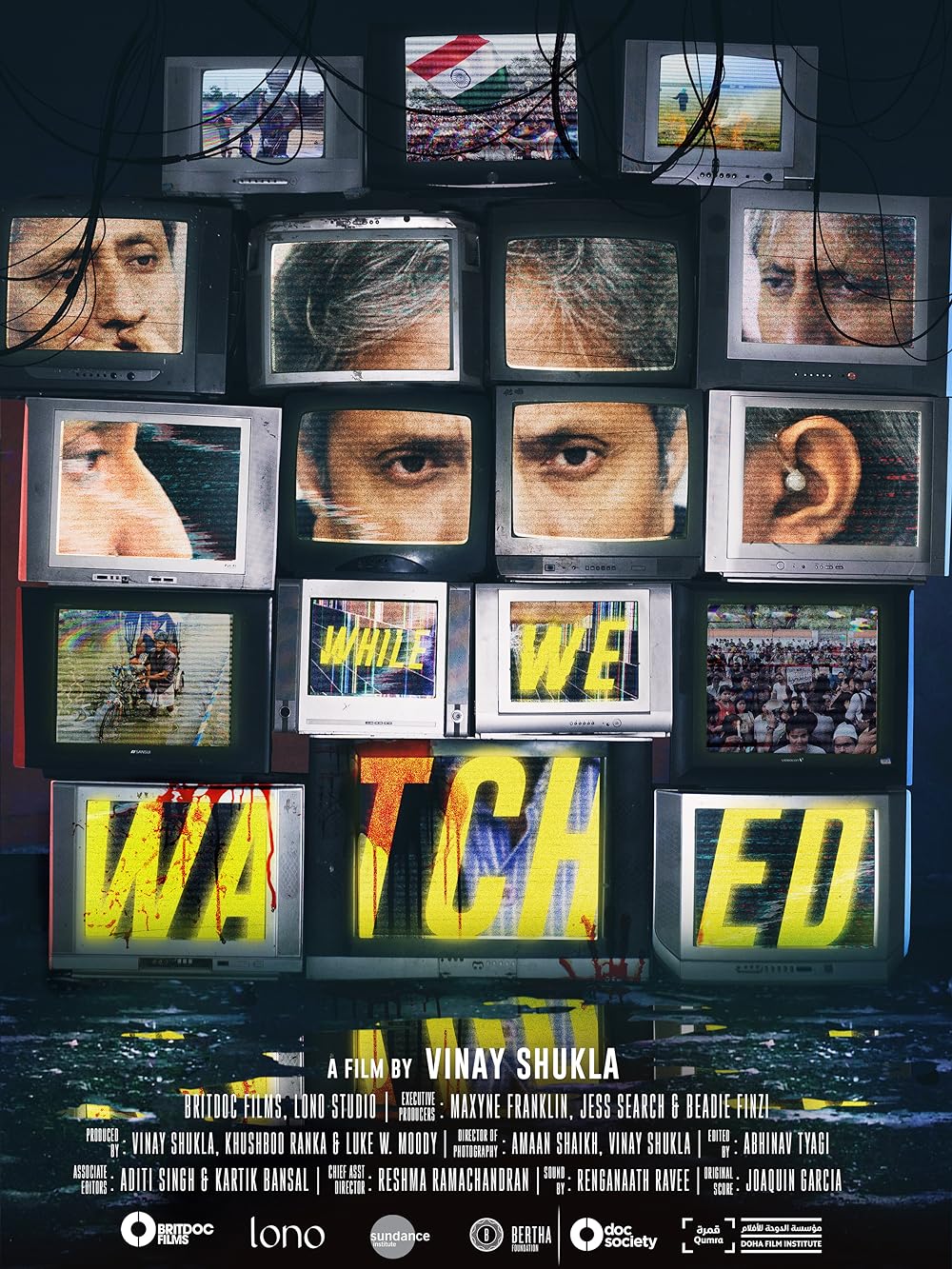
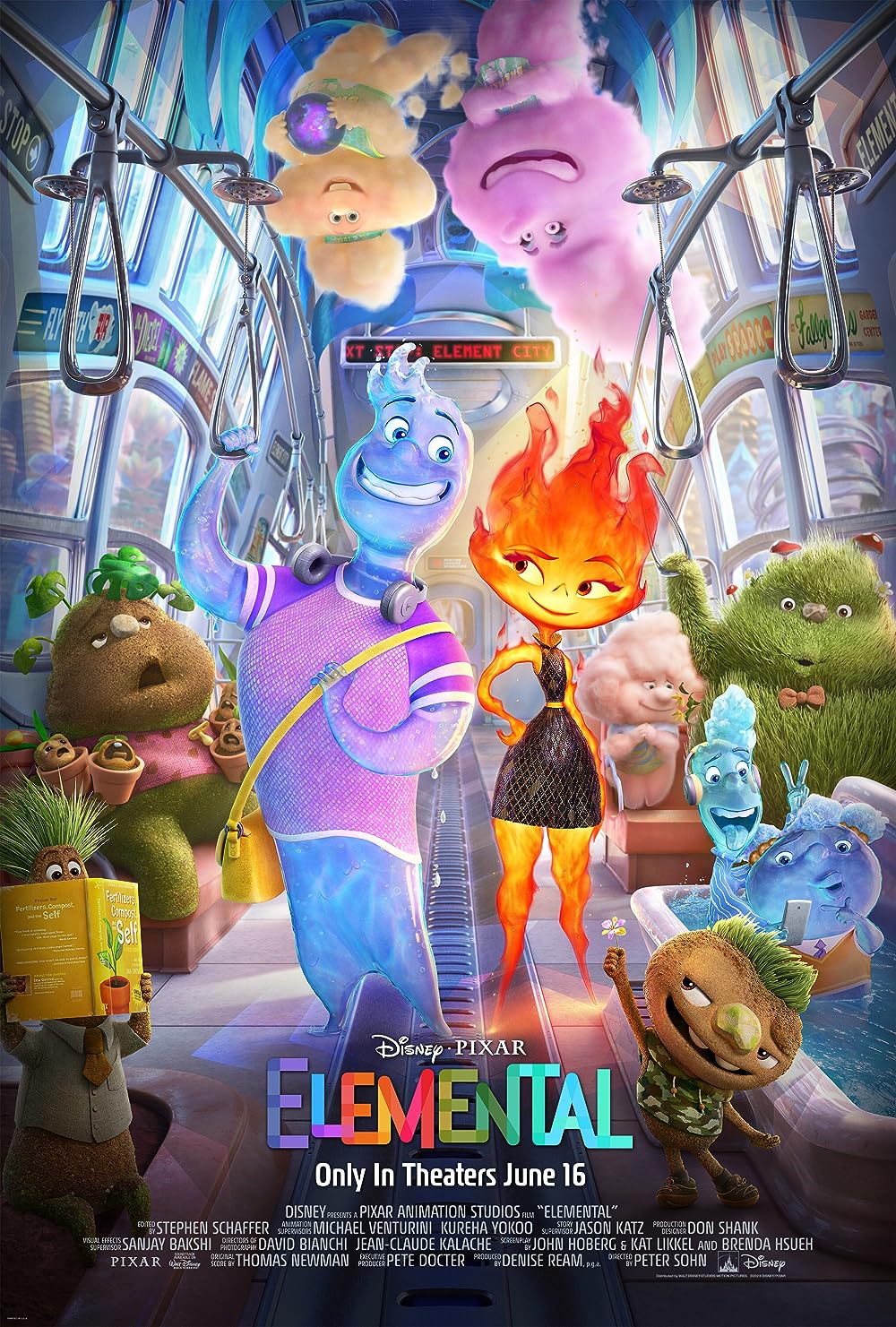
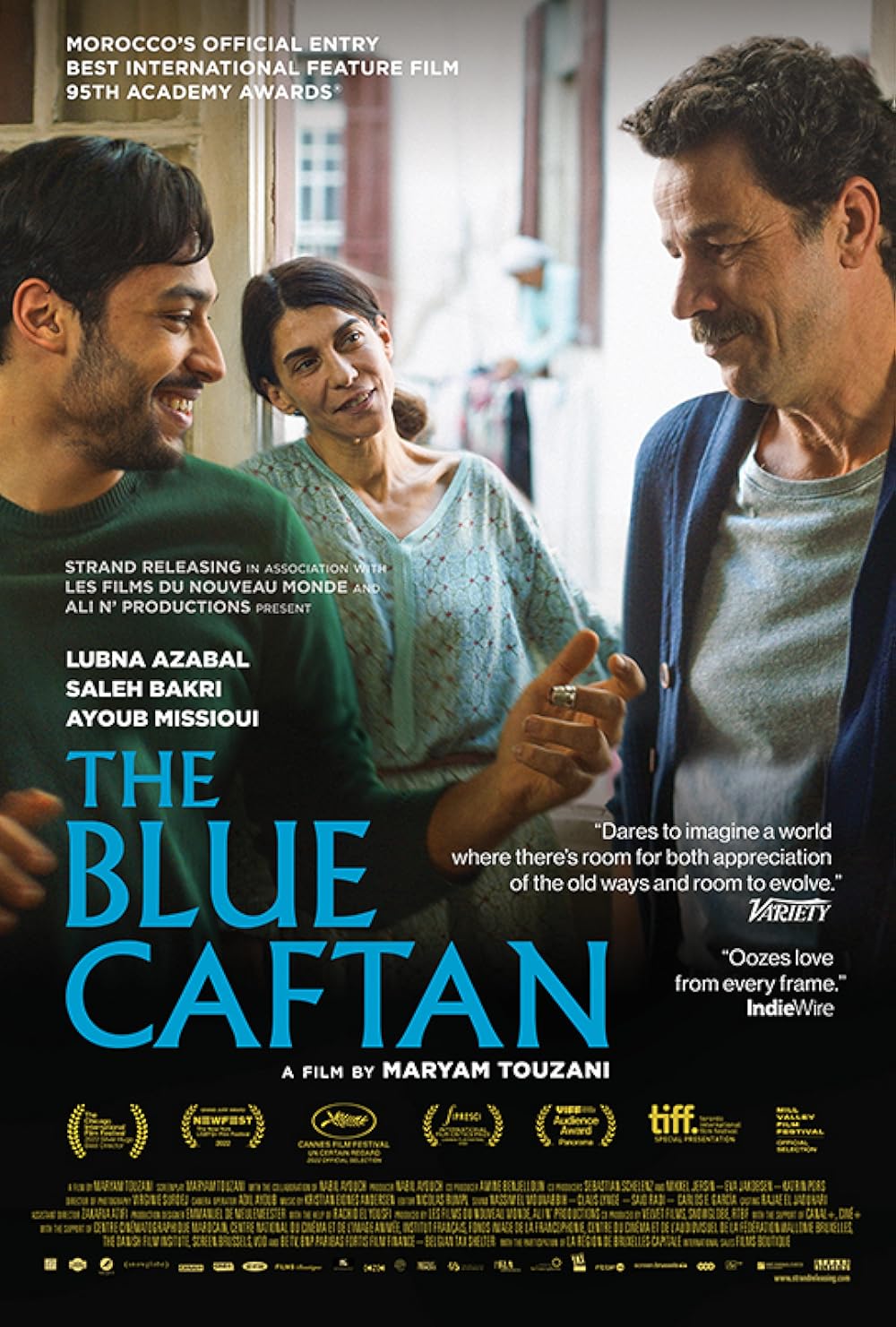
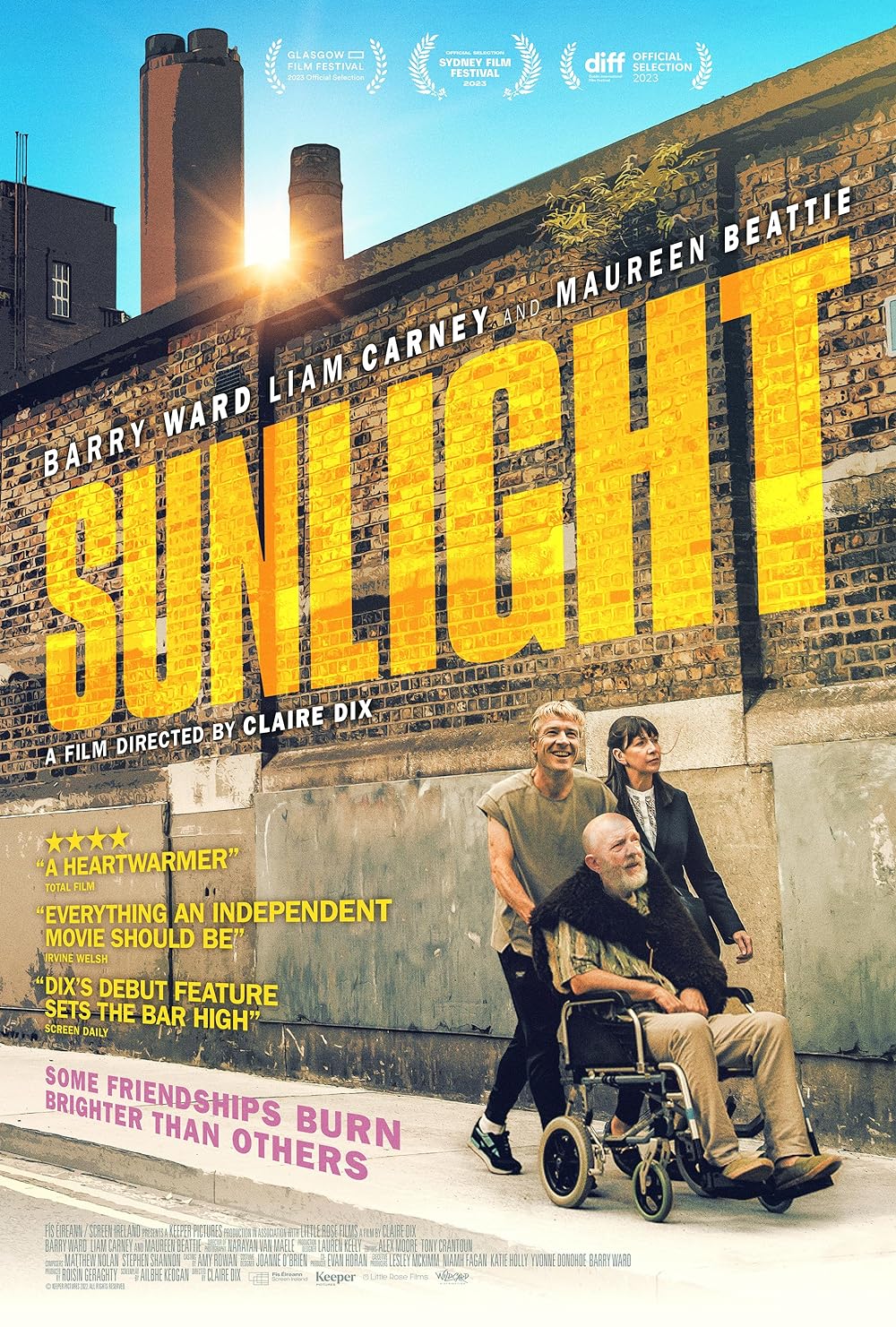
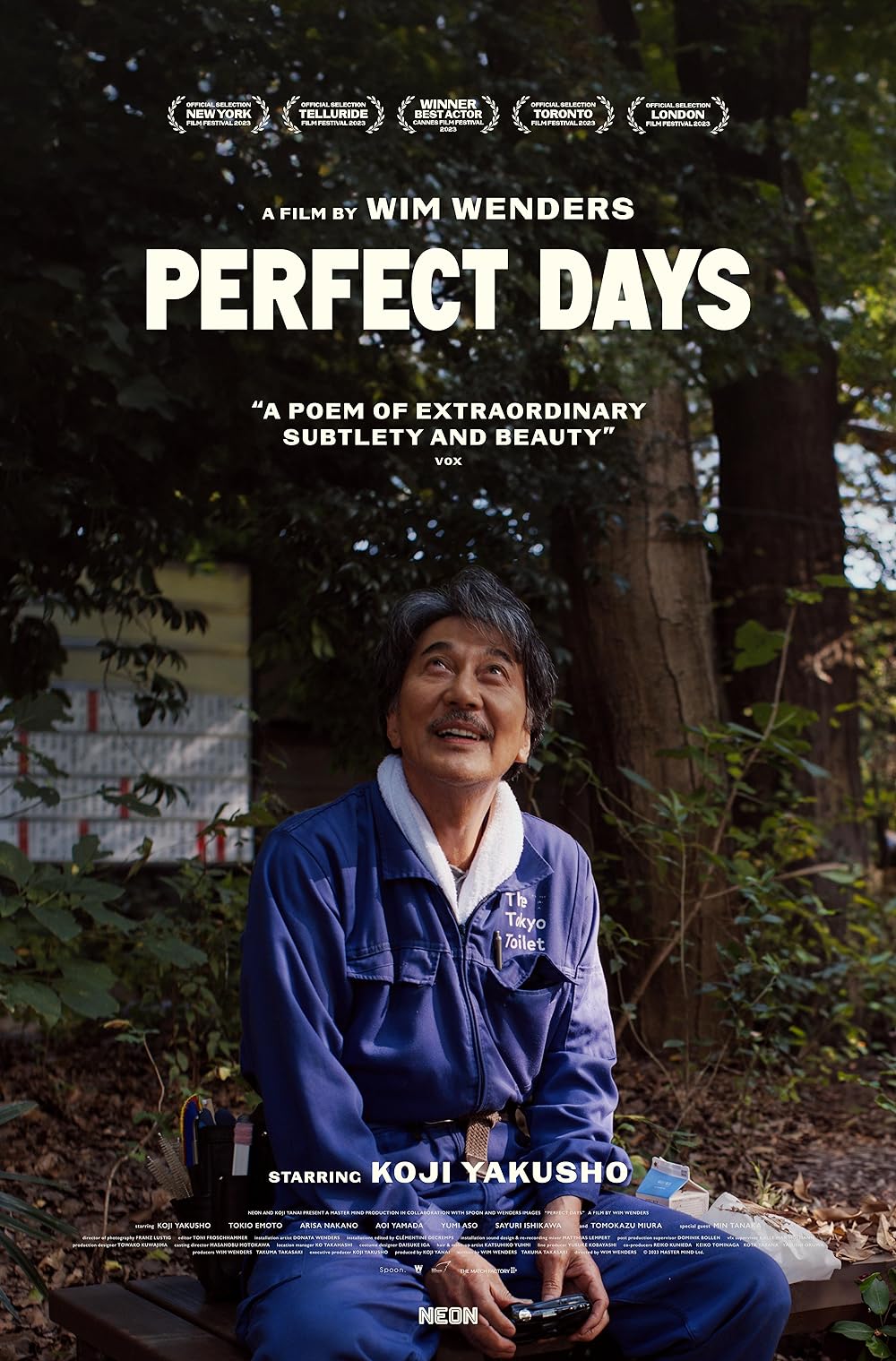
The image captions are linked to either an IMDB page or a review by my favourite movie critic, Mark Kermode.

Two documentaries, both seen at the Sydney Film Festival, one about the US government’s response to genocides after the fall of the USSR, the other about the struggle of independent journalism in Modi’s India:

Two children’s films, one each, a story of a migrant family and the origin story of a classic:

Five features, one each from Morocco, Ireland, Germany/Japan, South Korea/USA and the north of England; one possibly the last film of a master, and at least one debut feature; one that was lucky to see the light of day because it challenged state-enforced norms:

Coming soon, our favourite TV series of the year.

Melissa Lucashenko’s Edenglassie, page 76

Melissa Lucashenko, Edenglassie (University of Queensland Press 2023)

If you’ve been paying attention, you know that Edenglassie, a portmanteau of Edinburgh and Glasgow, was briefly the name for part of what is now Brisbane, and this book is a historical fiction set there in the 1850s, when First Nations people outnumbered settlers along the Brisbane River, a time of armed resistance to colonisation, and a time of genocidal atrocities including those committed by the notorious Native Police.

My blogging practice of focusing on page 76 (my age) comes up with a passage that at first seems a long way from that subject. For a start it’s set in Brisbane in 2024, the bicentenary of John Oxley’s sail up the Brisbane River, and begins with a genial picture of a weekend market that could be in any western city:

Winona weaved a path through the many bodies at the market. The young and the elderly; the able-bodied and the infirm; the slender hipsters; the defiantly fat, the tattooed, the pierced, the dull suburban middle-class and the fabulously wealthy. All these met in the mecca of the inner south, held there in the tight Kurilpa loop of the river which, having embraced you, was mighty slow to let you go.

The market is complex and inclusive, or at least tolerant. ‘Kurilpa’ tells you, if you have a web browser handy, that the city is Brisbane: the Kurilpa precinct borders on South Bank, and what was once the Tank Street Bridge is now the Kurilpa Bridge. The way the narrator uses the word suggests that it is more than a simple place-name, hinting at an Indigenous perspective: the river has agency, embracing and slow to let go.

As the paragraph continues, a character moves through the scene:

Winona wasn’t much interested in the crowd; she’d been caught instead by a steady pulse, thrumming from afar. She followed the sound of the didgeridoo dragging her to the far edge of the park, eager to see if she knew the fella playing, and discover what other Blak mob were around. Hopefully, Winona thought, she’d find a little oasis of Goories there to replenish her spirit, weakened from the hours she’d spent lately in the soul-sucking hospital.

‘Blak’ and ‘Goorie’ make it clear where we are, though readers from outside Australia may need their pocket browser here too. ‘Blak’ is a self-description currently used by many urban First Nations people as a way of ‘taking on the colonisers’ language and flipping it on its head’ (the quote is from an article on artist Destiny Deacon, at this link). Winona is a young, politically aware Indigenous woman. The narrative cleaves mostly to her point of view, but it’s interesting to notice that here they part ways briefly: the narrator sees and enjoys the crowd, and virtually tells us in so many words that the ancient Kurilpa embraces that various crowd as well; Winona is committed to an ‘us and them’ perspective. The non-Indigenous crowd is like a desert to her.

I won’t quote the rest of the page. Suffice to say that when she finds the didgeridoo player, he’s a white hippy who claims to be Indigenous – a coloniser, a thieving dagai, as Winona sees it – and her violent outrage lasts for several richly comic pages.

Once I got past my initial sense that this page wasn’t from the interesting, historical narrative, I realised that many of the novel’s key themes are suggested in it.

Winona is the central character in the near future part of the novel, where the main narrative thread is her budding romance with Doctor Johnny, a man of questionable indigeneity (though less questionable than the didge player’s). Her grandmother, whom she has been visiting in hospital, is leveraging her claim to be Queensland’s oldest Aboriginal to secure a major role in Brisbane’s bicentenary celebrations – and an apartment. So there’s romcom tension, trickster play, and a generally comic tone. At the same time, the narrative is firmly embedded in an Indigenous perspective – or perspectives, really, as Grannie Eddie and her ancient friends see things differently from the militant Winona, and Johnny, a child of the stolen generations, brings yet another point of view. Winona’s rage at the hippy didge player is a contrast to her almost flirtatious hostility to Johnny. Her indifference to the complex everyday crowd plays off against Granny Eddie’s generously inclusive concept of Aboriginal sovereignty.

It’s especially interesting to note the way these paragraphs are linked to the historical story. Words that in 2024 feel like cultural reclamation or perhaps remnants of lost language – dagai, Kurilpa – are part of ordinary speech in 1854. Just as the hippy claims an Indigenous identity, a white man back then – Tom Petrie, grandson of a pre-eminent settler in Brisbane, and in the process of taking on a sheep property in his own right – claims the status of an initiated man: it’s not an exact parallel, as Tom’s claim, like that of the real-life Tom Petrie, has the approval of elders. But as he invites his ‘brothers’ to work for him a tremendous unease develops: certainly I spent a good deal of the book dreading that he would betray his close friends, his initiated ‘brothers’. It would be spoiling to tell you if he does.

Like the 21st century story, the historical narrative centres on a romance between two First Nations people with very different relationships to traditional culture. Mulanyin is a traditionally raised young man who is in Kurilpa as a guest of an established family. In the early parts of the book, he goes naked around town – he only starts wearing trousers to protect his fertility when he starts riding horses. Nita has been taken as a servant to the prestigious Petrie family, who are relatively decent in their relationships to the local people. Nita is a Christian, always modestly dressed, and attuned to her employers’ desires and expectations.

The river is a powerful presence in both stories. The apparent throwaway line about how ‘having embraced you, [it] was mighty slow to let you go’ rings a lot of bells. It’s crossed by bridges and features the bicentennial celebrations in 2025; it’s a source of food and site of dramatic events in 1854. It remains the same river.

As I write this, I’ve read about half of David Marr’s Killing for Country, an unsparing account of frontier violence in eastern Australia, focusing in part on the Native Police and quoting extensively from breathtakingly brutal contemporary settler writing. The Native Police are a threatening presence in Edenglassie, and there’s devastating genocidal violence, but it happens offstage. Even a scene where Mulanyin intervenes in the humiliation of another man is reported by a character rather than told to us directly by the narrator. Where David Marr conveys the horror of our history, Melissa Lucashenko does the herculean task of imagining what it was to live with a strong connection to country, tradition and community while the horrors were multiplying all around, and up close.

We discussed this book along with Debra Dank’s We Come With This Place at my Other Book Club – the one that used to be just for swapping books with minimal discussion. Not everyone was as moved by it as I was. Unfortunately, or fortunately, I can’t tell you how the unimpressed readers saw it because I’m so dazzled by its achievements.

Vale Ian Dodd

This afternoon I attended a celebration of the life of Ian Dodd, who died last month. Ian was a much loved member of Sydney’s photographic community, and the celebration focused on his extraordinary career as a photographer. His most famous photograph is probably Wet Hair (1974), which is in the collection of the Art Gallery of NSW (you can see it here). More recent work is up at the website of the now defunct and sadly missed Stills Gallery, where he had a solo exhibition in 2006.

Ian and I knew each other through the School Magazine, a monthly literary journal for primary school students published by the NSW Department of Education since 1916. In the 1980s, the magazine’s editor Kath Hawke set out to overhaul the look of the magazine. She wanted something better than what she described as blurry postage-stamp sized drawings. Ian was a childhood friend who had been art director of a small adult magazine. When Kath offered him the challenge he rose to it, and when I started working at the magazine soon after he was designing lay-outs and coming into the office a couple of days each month to be the de facto art director. He continued to do the job under Kath’s successor, award winning children’s book author Anna Fienberg, and then me. It was a far cry from the sophisticated and often erotic work for which he was known in the world of photography, but we all learned a lot from him, and enjoyed his warm, wry humour.

I wasn’t able to stay for the speeches this afternoon. I hope someone told the story he once told me about a mother who asked him for help. Her teenaged son had his heart set on becoming an artist, and she asked her friend Ian, himself an artist and photographer, to have a chat with him, explaining how important it was to get a trade of some sort rather than dive straight into the precarious life of an artist. Ian agreed, and gave the boy a pep talk. As I remember him telling it, the gist of his talk was to tell the boy that if he wanted to be an artist, life would probably be hard, but if he didn’t do it he would probably regret it for the rest of his life. The boy was George Gittoes, and it’s fair to say that the world has benefited from Ian’s advice.

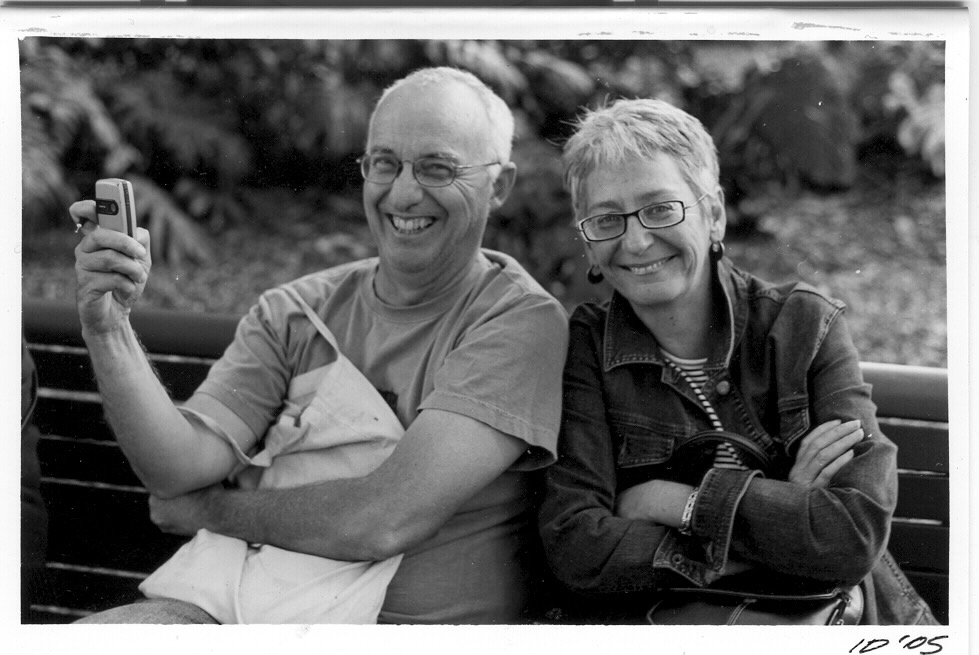
Here’s a photo Ian took of me and the Emerging Artist in Hyde Park, well before she set foot on the artistic path. I treasure it.

The ghost of Albo past

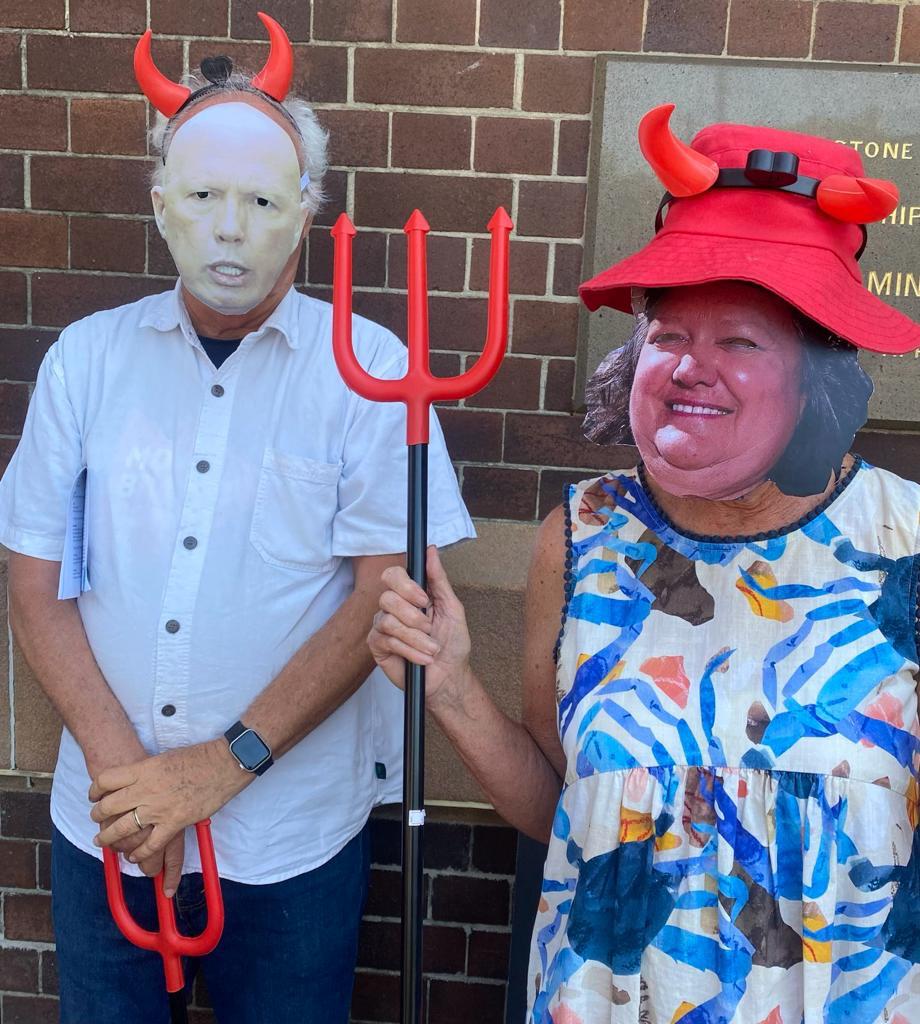
The local Move Beyond Coal group that I’m a member of did our little bit for the week of COP 28 by staging a little street theatre at Anthony Albanese’s electoral office in Marrickville. I got to wear a Peter Dutton mask.

Here are the Emerging Artist and me with masks on:

@movebeyondcoalsydney posted a reel on Instagram, but try as I might I couldn’t embed it here. If you click on the image below, you can see the reel.

Lauren Groff’s Vaster Wilds

Laurn Groff, The Vaster Wilds (Hutchinson Heinemann 2023)

If you picked this book up in a shop or the library and turned to page 76, these are the first two paragraphs you’d see:

By now, the twilight had begun to thicken, however; and she had to find some shelter before thick night came on full of its roving predators. She sensed that it would be a very cold night as well.
When she stood, she found she had a hard time moving swiftly; she was so stiff and sore from her long walk.

You might gather that this was a story about a woman alone in a wilderness. You might notice a couple of quirks in the language: ‘twilight had begun to thicken’ with its awkward echo of Lady Macbeth’s ‘Light thickens, and the crow makes wing to the rooky wood’; the slightly archaic feel of ‘roving predators’ and ‘swiftly’. You might surmise that the action of the novel takes place in the not very recent past.

By the end of the page, the character has found shelter, ‘a little black space carved out of the rock wall of a ridge’. The cave exhales ‘a strange and musty warmth’:

Something in her said to her that she must be cautious, and she made herself go slowly and silently. But soon the coldness of the night oncoming frightened her more than the cave with all its menacing unknowns. She ducked low into the black space and felt instantly that it would be warm enough and out of the melting wet at least. It smelled dank and thick in there. The darkness welled and seemed to pulse at the back of the cave.

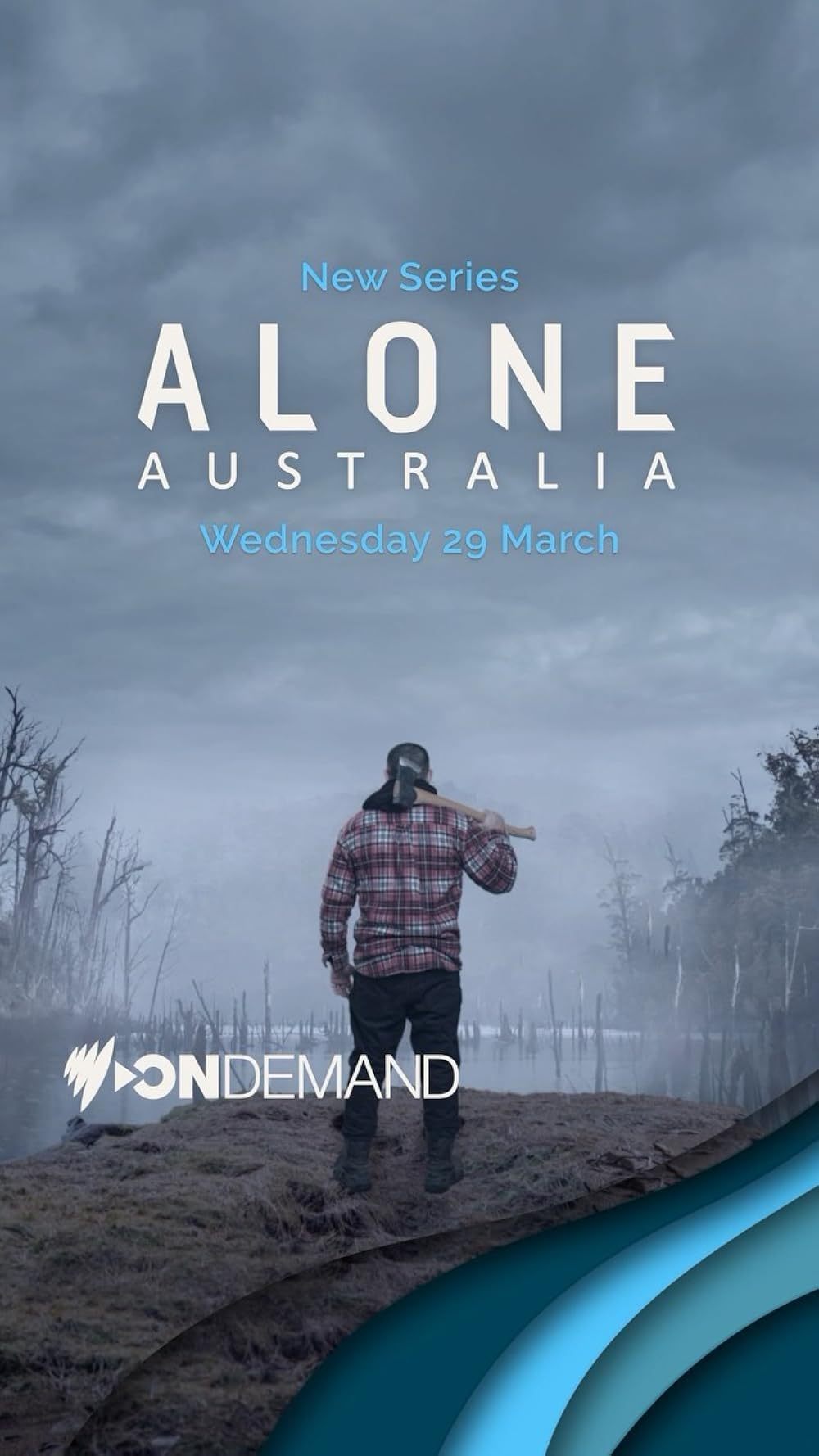
More of the archaic feeling in the language, not so much in the vocabulary as in the cadence and word order: ‘Something in her said to her’, ‘the night oncoming’, ‘the melting wet’. And the surmised threat of roving predators of the first paragraph has become more immediate, though still intangible, in the dank, thick, pulsing darkness. On the strength of this page you might expect something like a novel equivalent of the TV series Alone. And you’d be mostly right.

The novel begins with a character, known only as ‘the girl’ for the first hundred pages or so, running through forest in what we come to understand is the North American continent in the late sixteenth century. She has been brought from england (the book spells all places and nationalities without initial capital letters) as a servant, and we learn that she has committed some great crime and is running to escape retribution.

A number of questions are raised early: what was the girl’s crime? will she escape her pursuers and avoid whatever attackers, human and otherwise, she might encounter (see cave above)? what are we to make of her assumption that the ‘people of this place’ are savages to be feared? will her Christian world view be affected by her experiences in the wilderness? will she find the safety, even the ‘saviour’, she hopes for? These questions create a forward impetus, and the girl’s gradually revealed back story fleshes out her character, but it’s the narration’s attention to the detail of her life in the wild that most engaged my attention.

It took me maybe a hundred pages to get over my irritation with the olde worlde language: I was going to say there are too many untos, then realised there was probably only one, but that is too many. Your mileage may vary. I was uneasy with the treatment of the Native Americans on the periphery of the narrative, but that unease was elegantly dealt with, first with humour when in a rare departure from the girl’s point of view a couple of Native children see her and fall abut laughing at her incompetence in their environment; and more sombrely in the final movement as she reflects on her possible misunderstanding of near-encounters.

I’m not a fan of the individual-against-the-wilderness genre, so I’m not really part of this book’s intended readership. I did finish it, partly because I was reading it for my Book Club and felt obliged. I can see that it’s a very good book, and I especially appreciate the way it uses the genre to probe at the roots of the genocidal encounters of colonisation, without having the heroine be adopted by a Native tribe. We’ve come a long way since Booran by M J Unwin, which I studied at school in 1962, or Patrick White’s A Fringe of Leaves.

The Book Club I read it for is the one that formerly banned any book-discussion that lasted more than 30 seconds, but has now become more conventional. It was paired with Melissa Lucashenko’s Edenglassie. We had animated discussion of both books.