Tag Archives: John Levy

2024 End of Year List 4: Books

The Emerging Artist now keeps a record of the books she reads so she can easily whip up a list for me at this time of year. Here are her favourite reads from 2024 in her own words (links to LibraryThing pages or, at her request, to my blog post when there is one):

Fiction
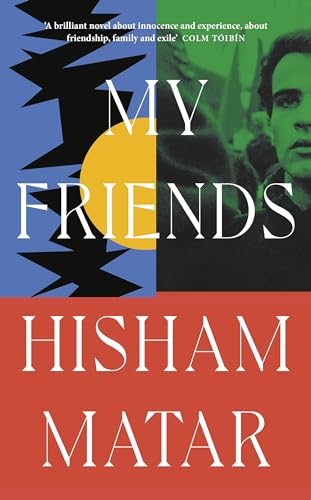
Hisham Matar, My Friends (Viking 2024)
I enjoyed Hisham Matar’s previous books, though I wasn’t enthusiastic about them as they often felt repetitive, and more like unreliable memoir than fiction. My Friends continues to draw on his life, but it feels more like a story that examines what it is to be an exile in a time of radical upheaval.

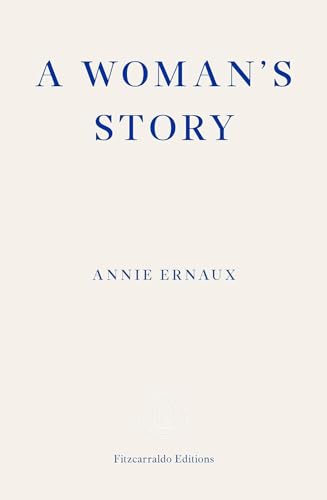
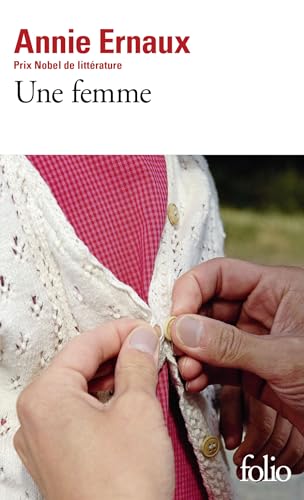
Annie Ernaux, A Woman’s Story (translated by Tanya Leslie 1991, Fitzcarraldo Editions 2024)
I read Annie Ernaux’s The Years before I got to this very slim volume, so I came to it with high expectations. I wasn’t disappointed. In such concise prose Ernaux describes the details of one woman’s life, and iin doing so conjures up a broader world.

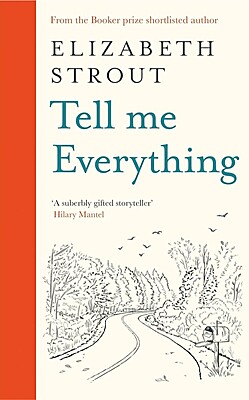
Elizabeth Strout, Tell Me Everything (Viking 2024)
This continues the stories of a number of Elizabeth Strout’s characters, bringing them together as they deal with death, ageing, love and lust. She writes with wit and kindness.

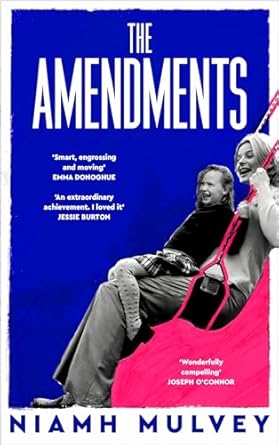
Niamh Mulvey, The Amendments (Picador 2024)
A new Irish writer for me. I hope she writes a lot more. This is a generational feminist tale about a family of women, dealing with the way issues of reproductive rights governed women’s lives before Ireland shifted from Catholic dominance – a shift made because of women demanding change.

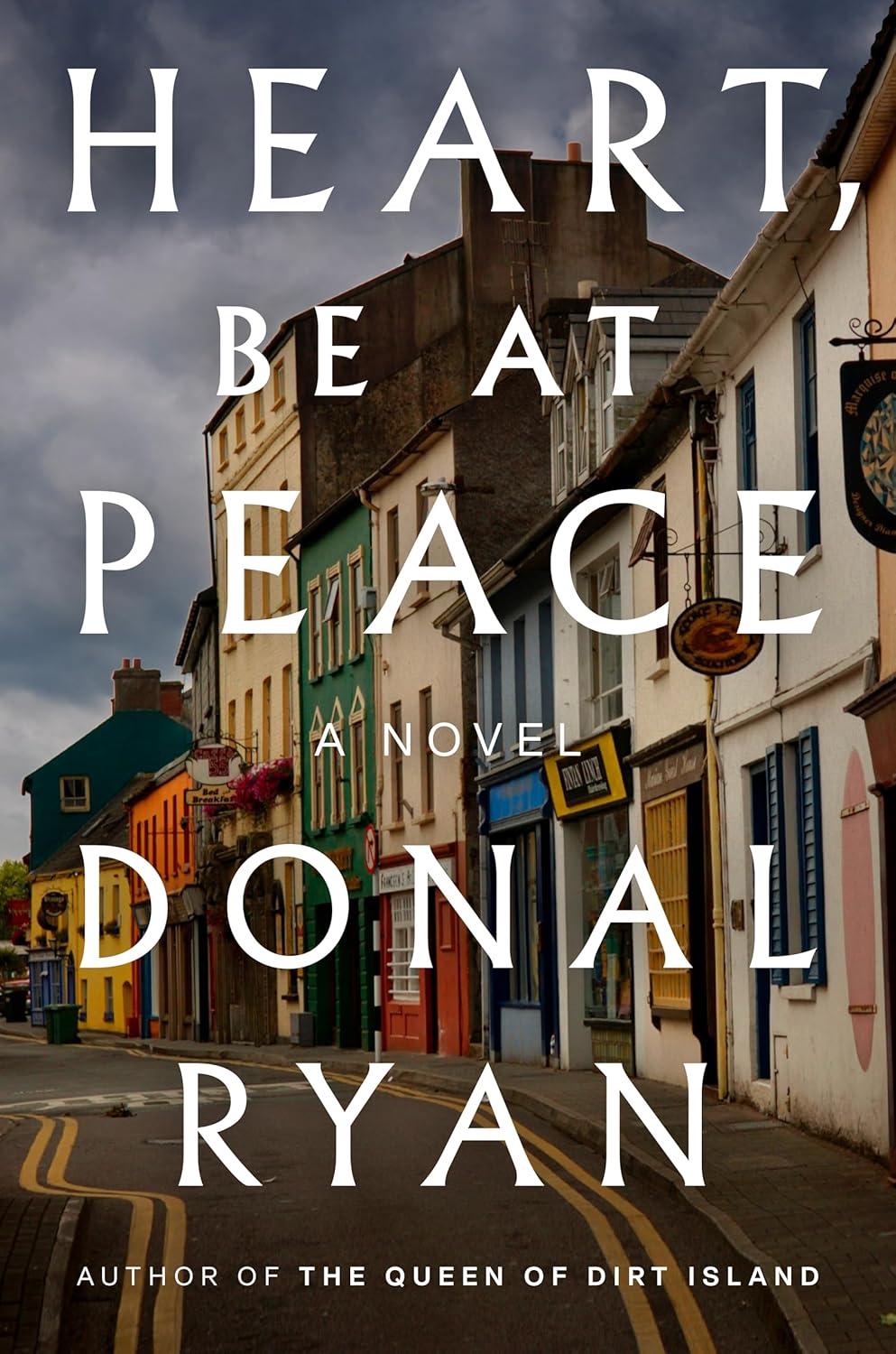
Donal Ryan, Heart, Be at Peace (Doubleday 2024)
I had read two previous Donal Ryan novels, both of which I loved. In this one he continues to create the sense of Irish village community and disunity in the context of the Celtic Tiger and its collapse. Told from multiple perspectives, it builds a picture of complex relationships.

Non fiction
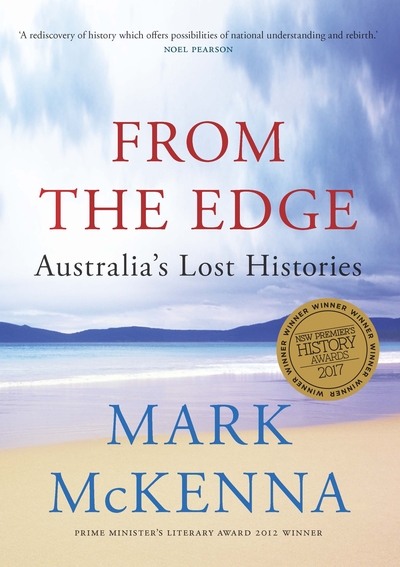
Mark McKenna, From the Edge: Australia’s Lost Histories (Melbourne University Publishing 2016)
Published in 2016, this is still a wonderful way to learn about First Nations and settler interactions. McKenna writes compelling history. These relatively short pieces include the pearl industry in Western Australia, the Barrup Peninsula petroglyphs and mining, early failed attempts to establish a colony in northern Australia, and the brutality of the Palmerston goldfields in north Queensland. They are written with a focus on First Nations agency, and they attempt to understand how colonisation played out in each specific time and place.

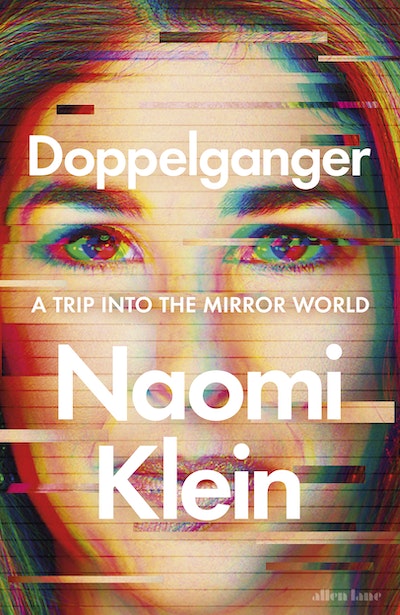
Naomi Klein, Doppelganger: A Trip into the Mirror World (Penguin 2023)
I’m still reading this, having put it down during the US elections as much of what Naomi Klein describes was playing out in the headlines. It’s a fascinating enquiry into the nature of truth, and the way fakery has become entrenched in political discourse.

From me

I can never pick a favourite or best book. My favourite is always the one I’m reading right now, unless the one I’m reading is the book I hate most in the world. Some highlights of 2024 were:

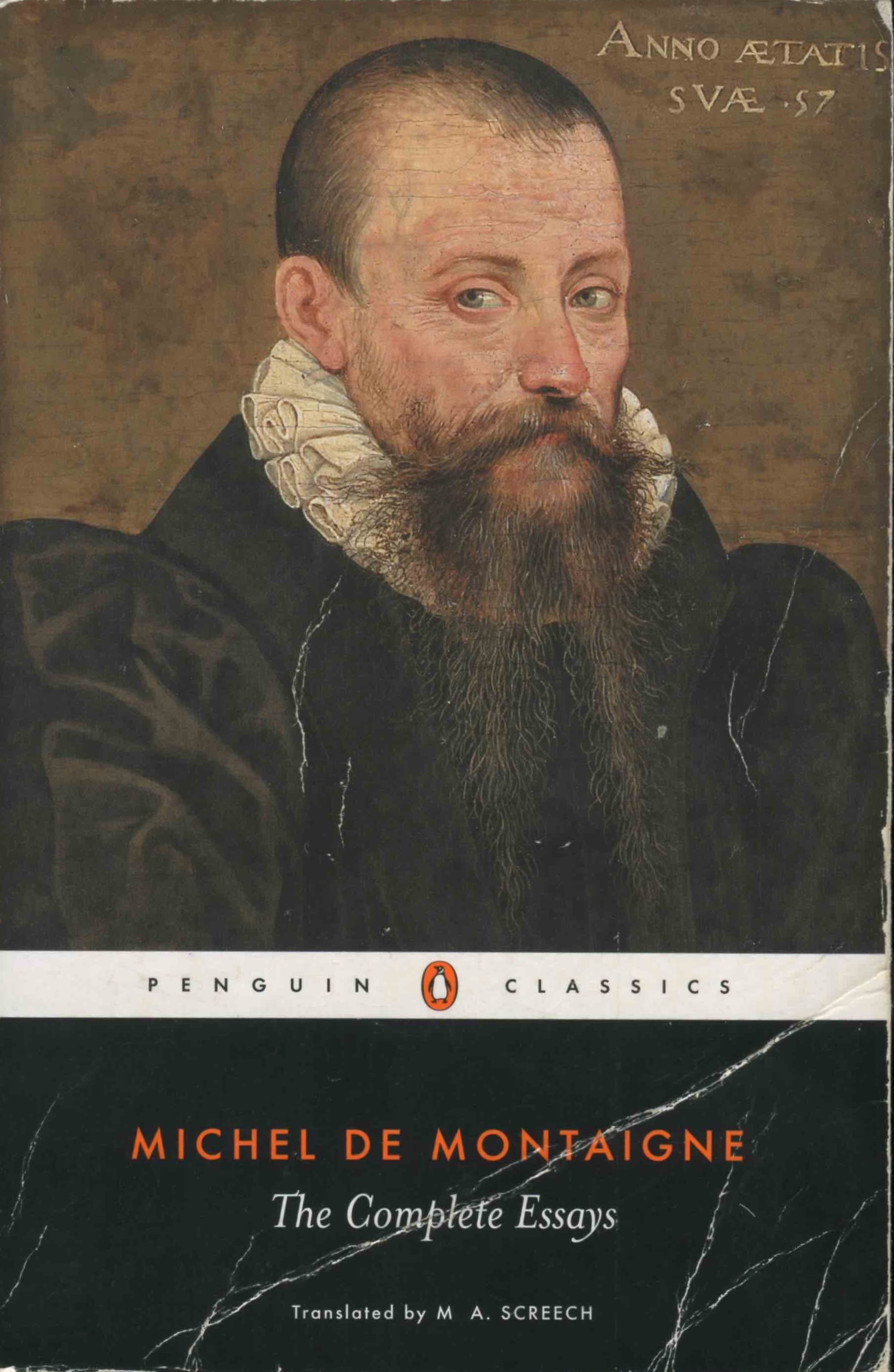
  • Montaigne’s Essays: I have read four or five pages most mornings since the beginning of March, and will have finished the book in a couple of weeks. He has been a great person to start the day with (apart from the Emerging Artist, of course)
  • Blue Mars, the final book in Kim Stanley Robinson’s Mars trilogy has finally made it from my TBR shelf, and it was a most satisfactory experience
  • the poetry of John Levy, who showed up in my comments to share his enthusiasm for Ken Bolton’s poetry, and offered to send me a copy of his own book. I’m so glad I accepted the offer
  • I read more of Annie Ernaux: if ever I write a memoir, I hope I can manage to be at least slightly Ernauxian
To get all nerdy, I read:

  • roughly 83 books altogether (counting journals but only some children’s books)
  • 34 novels
  • 21 books of poetry
  • 5 comics
  • 6 books in translation – 3 from French (counting Montaigne’s Essays), 1 each from German, Japanese and Chinese
  • 7 books for the Book Group, whose members are all men
  • 12 books for the Book Club, where I’m the only man (two of them to be reviewed after tomorrow night’s meeting)
  • counting editors and comics artists, 45 books by women, 46 by men
  • 3 books by First Nations writers, and
  • 11 books by other writers who don’t belong to the White global minority.

And the TBR shelf is just as crowded as it was 12 months ago.


Happy New Year to all. May 2025 turn out to be a lot less dire than it’s looking at the moment, and (to repeat my wish from last year) may fossil fuels at last be left in the ground. May we all keep our hearts open, our minds engaged, and may we all talk to strangers.

Three books by John Levy, and November verse 10

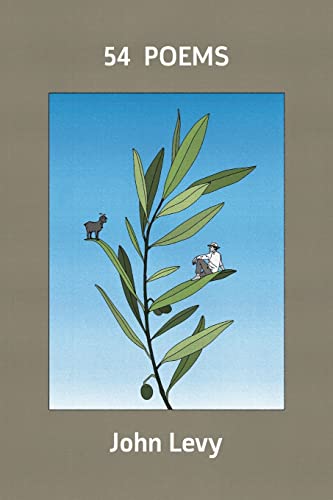
John Levy, 54 Poems: Selected and New (Shearsman Press 2023)
––, To Assemble an Absence (above/ground press 2024)
––, Guest Book for People in My Dreams (Proper Tales Press 2024)

John Levy has commented generously a couple of times on this blog (here’s a link). When he emailed to ask if I’d like a copy of his recent book, with no expectation to blog about it, of course I said yes, provided I could send him one of mine. So we swapped books: I sent him two, he sent me three, an unequal exchange in more ways than the obvious. He has responded to my efforts with what I now know to be his characteristic generosity. And now I am blogging about his, motivated by joy, not obligation.

John’s books arrived when I was sitting down to lunch with the Emerging Artist and our grandchildren. I flipped 54 Poems open to the first page, and read out the prose poem ‘Kyoto’:

Kyoto

I'm at a temple. A young monk in black robes walks by, looks at me,
stops. He points to my long hair. Brown. Then to my goatee. Red. He
touches my armpit and looks puzzled. I point to my hair. He points to
my crotch. I point to my hair. He invites me in for green tea.

The children liked it, probably because of the crotch reference. The Emerging Artist liked it, possibly because of the colour play. I liked it for both those reasons, and also for the comedy about communication and connection that don’t need words.

These three books reminded me that poetry can be a lot of fun. It can deal with death and loss, all manner of elevated cultural matters, or issues encountered when working in a Public Defender’s office, and still be fun. It can talk to goats and spiders and be silly about words, while still being serious. It can be warm without being goopy, and self-referential without being wanky.

Naturally, I went Googling. Among other things, I found John being interviewed on the website of Touch the Donkey, a small quarterly poetry journal published by above/ground press, publishers of one of these chapbooks. In that interview, he describes his approach:

I begin writing a poem (or prose poem) without knowing what I am going to say after the first few words that I thought of to begin with. Sometimes … I begin with a friend in mind and want to write something for the friend although I usually haven’t figured out anything beyond wanting to write something to that friend.

It’s poetry impro.

No doubt these poems have been polished and revised, but they retain the feeling of immediacy, of the poet’s mind chasing associations like a distractable child in a toy shop, and then they resolve themselves as if by magic.

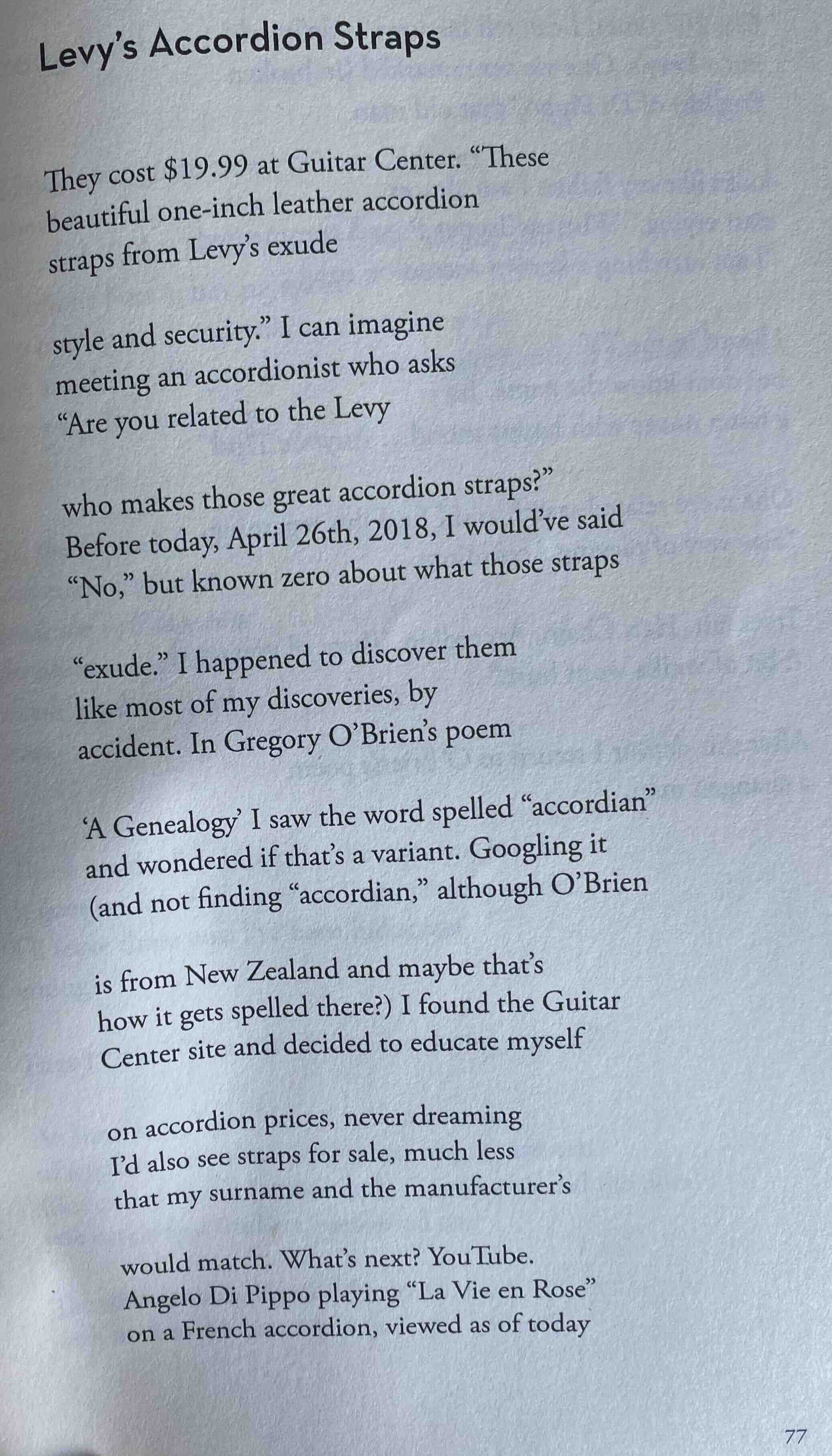
I’ll stick to ‘Levy’sAccordion Straps’ on page 77–78*. I apologise for the quality of these images:

You could call this a rabbit-hole poem. It doesn’t start in exactly the way Levy describes in the interview above, but it’s in the same paddock. It’s a comic version of close reading: he takes a single word from Gregory O’Brien’s poem ‘A Genealogy’ (of which we know nothing else), and sees where it takes him. Maybe it’s the obsessive copy editor in me, but I love it that the poem starts from what turns out to be a misspelling. We tend to think of USA-ers as culturally arrogant, but Levy here has the humility to check the ‘variant’, and then stays open to the possibility that they do things differently in New Zealand. (There’s an Easter egg in line 24: Levy slips in a typo of his own, adding a space in Angelo Dipippo’s surname.)

As the poem progresses in an apparently random manner, it turns out that it features quite a bit of English as spoken/written by people not from the USA. There’s quiet humour, but not, I think, mockery. The last line made me laugh out loud. Instead of seeing the ‘detour’ as taking him away for a moment from O’Brien’s poem, he sees it as having changed the kind of attention he brings to it.

And now, because it’s November, here’s an hommage (with an advance note – Mruphy’s [sic] Law decrees, ‘If you write anything criticising editing or proofreading, there will be a fault of some kind in what you have written’):

Verse 10: Dear John

YouTube. Angelo Di Pippo
plays, you said, 'La vie en rose'.
I can’t find him (you’ve got a typo
in his surname, Mruphy knows).
I do find other Piaf splendours –
Galliano working wonders.
Music takes me in its arms,
an infant whose late night alarms
are soothed by father’s tender crooning.
Jean, who says she’s ninety-one,
comments that life then was fun.
I googled “Levy’s straps” this morning,
found them, surfed around some more,
found fancy watch straps made by Shaw.

I finished this blog post on Awabakal country, near what is now one of the biggest coal ports in the world. I acknowledge Elders past, present and emerging for their continuing custodianship of this land.


My blogging practice, especially with books of poetry, is to focus on the page that coincides with my age, currently 77.