
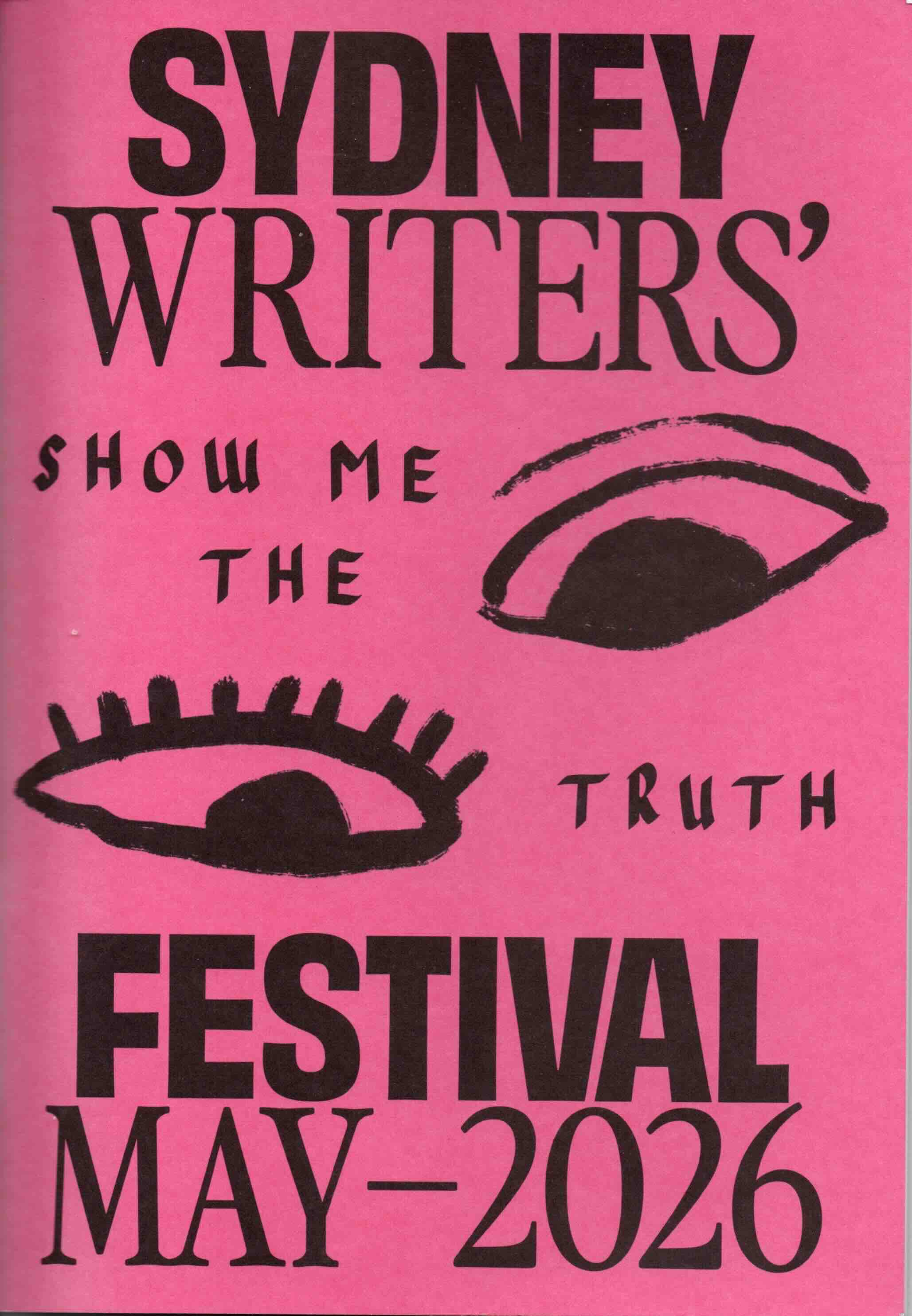
The Sydney Writers’ Festival is coming. On Wednesday evening this week I had a foretaste of its joys. Niall Williams chatted for an hour with Phillipa McGuinness at the State Library to a largely grey-haired audience. I was one of half a dozen men in the full auditorium.
Niall Williams was at the end of his Australian visit, having done what Seamus Heaney described as ‘standing on his hind legs’ in Hobart and Sorrento. But from where I was sitting I saw no sign of weariness or going through the motions.
His opening remark, ‘Everyone in Faha says hello,’ signalled that he expected the audience to have read at least one of his last three books, and the response indicated that he was right. (For readers who need help in understanding the enthusiasm, I refer you to my blog posts about History of the Rain, This Is Happiness and Time of the Child.
In just one hour the conversation covered a number of topics. Much was said about rain, religion and rural Ireland.
The Irish language, repressed by the occupying English for centuries, was forcibly revived with the establishment of the republic, and only now is having what feels like an organic revival. When Williams and his wife Christine moved to County Clare in 1984, they found that people there had unselfcosciously retained smatterings of Irish: he gave examples of a word meaning a fistful used in a recipe, and one meaning an armful used when asking someone to bring some peat from the yard.
Meditating on the phrase, ‘Once upon a time …’, he asked, ‘Why upon rather than, say, in or at?’ Story, he said with his hands as much as his words, lies on a plane above the real world. It doesn’t reproduce it, but refers to it. In writing about Faha, he doesn’t try to give an accurate picture of life in rural Ireland 80 years ago, but the story he tells rests upon his sense of what it was like.
When he first started writing about Faha – which by is based closely on the community he and Christine found in County Clare – he just didn’t want to stop. The book found its own way of coming to an end, so he went on to write another, and then another, and according to a bookmark given us at the end of the session, there’s another coming out in November, called O Now!
He read a couple of pages from Time of the Child. He chose the passage that ends with the doctor holding the little baby, and beginning to dance. There was magic in the way his body (and I suspect the bodies of half the audience) began ever so slightly to sway to the music of his sentences.
Phillipa McGuinness did a lovely job as interlocutor. Sadly there was no time for audience questions, so I didn’t get to ask how he would pronounce ‘Teige’ (see previous post for explanation). Even more sadly, the Emerging Artist and I had to leave before the end to perform out grand-duties. As we were leaving, Williams was paying tribute to his wife’s creativity in their garden and using gardening as an analogy for his own creative process.
I am a man of settler heritage who has been alive for almost a third of the time elapsed since Arthur Phillip claimed this continent for the British crown. The State Library is on unceded Gadigal land and is built, as Phillipa McGuinness reminded us, from stone that was once sand walked on by the people who have lived here for tens of thousands of years. I wrote this blog post on the land of Gadigal and Wangal of the Eora Nation. I acknowledge their Elders past and present and welcome any First Nations readers.


