Category Archives: Movies

November verse 8

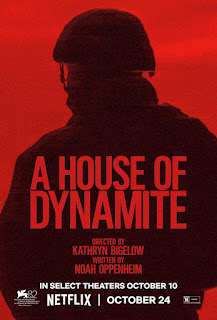
Inspired by Filmworks, Brian Purcell’s book of poems about movies, here’s a little verse responding to Kathryn Bigelow’s recent movie, which was written brilliantly by Noah Oppenheim:

November verse 8: A House of Dynamite

Someone's screen reveals a missile
armed and launched from who knows where.
The world could end in eighteen minutes.
Can we stop it in the air,
find the lever, aim and pull it,
hit that bullet with a bullet?
Missed! The dot moves on the screen
towards Chicago. Better phone
your loved ones with a dire warning.
Only question now, too late,
is, how should we retaliate?
Idris Elba holds, that morning,
codings that could kill us all.
One day that could be Donald's call.

Sorry!


I have written this blog post on the land of Gadigal and Wangal of the Eora nation. I acknowledge Elders past and present of all those clans, and welcome any First Nations readers.

2024 End of Year List 1: Movies

The Emerging Artist and I are drawing up our Best of 2023 lists. Spreading the lists over two or three posts seemed to work well last year, so here goes again

Movies

We saw about 60 movies, including streaming and TV. Here are the ones we both put at the top of our viewing year, excluding old movies we’ve rewatched.

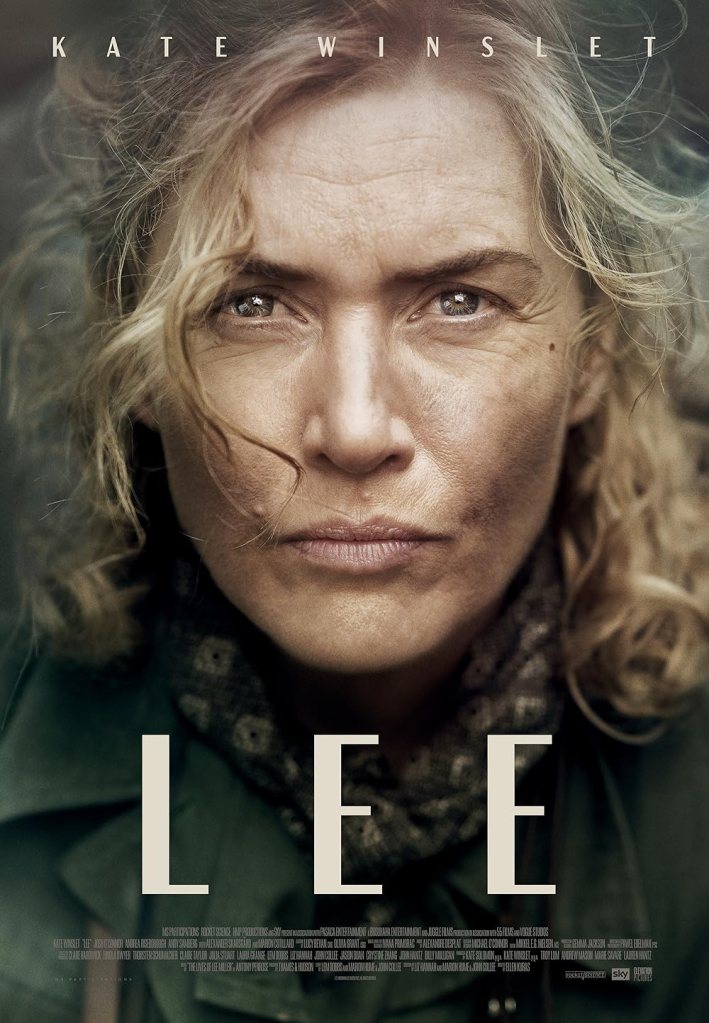
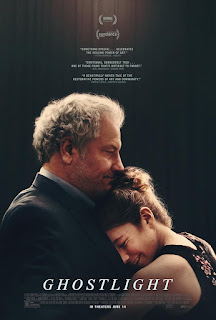
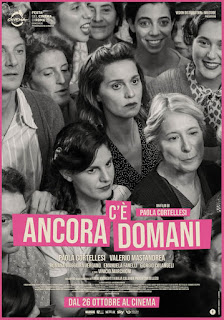
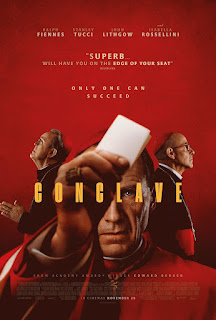
The image captions are linked to either an IMDB page or a review by my favourite movie critic, Mark Kermode.

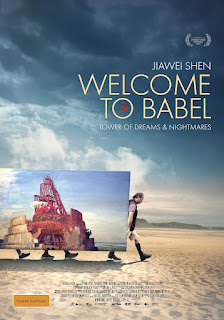
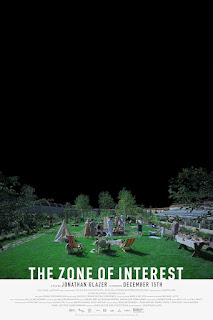
Three documentaries, all seen at the Sydney Film Festival. One had audience members variously in tears and yelling at each other, another sent us on a pilgrimage to the Bundeena art trail, and the third shed wonderful light on the workings of a rock band:

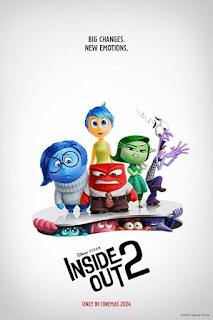
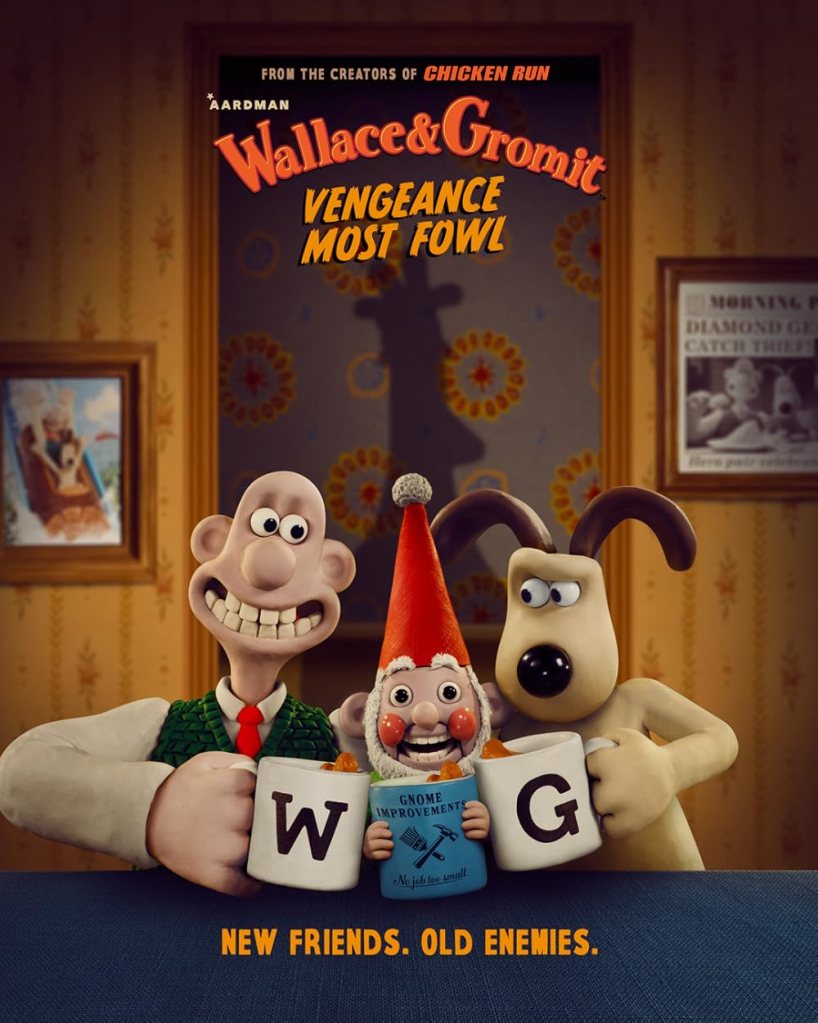
Two children’s movies, or at least movies seen in the company of small children:

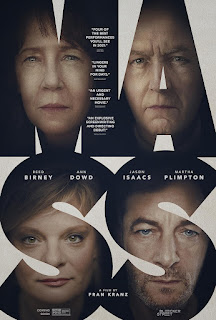
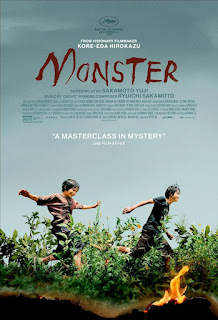
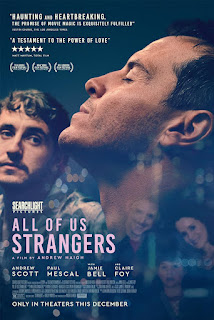
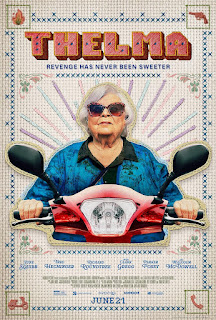
Five features that we agreed on:

And then, three films that I loved that I saw by muyself:

So then fairness required that The EA got to name three more as well. She chose these:

And we didn’t even get to mention The Teacher Who Promised teh Sea or The Seed of the Sacred Fig or … we saw so many wonderful movies in 2024.

We did see a couple of stinkers, but it would serve no purpose to name the one we both chose unhesitatingly. We saw it at the Sydney Film Festival and it will never have a general release.

Coming soon, our favourite TV series of the year.

End of Year List 1: Movies

The Emerging Artist and I are drawing up our Best Of 2023 lists. Instead of giving them in one long post, I’m spreading them over two or three.

Movies

We saw roughly 80 movies, including streaming and TV. That’s a rough figure because we didn’t always see movies with each other, and I’m not absolutely confident in my records. Here are the ones we both put at the top of our viewing year, excluding old movies we’ve enjoyed all over again, and excluding a couple that only one of us would have put there – this is a ruthless process. We tended to see children’s films with other companions, so those are exceptions to the consensus requirement.

The image captions are linked to either an IMDB page or a review by my favourite movie critic, Mark Kermode.

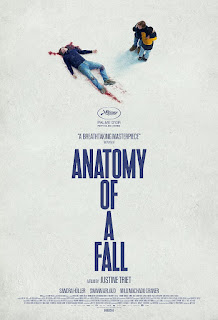
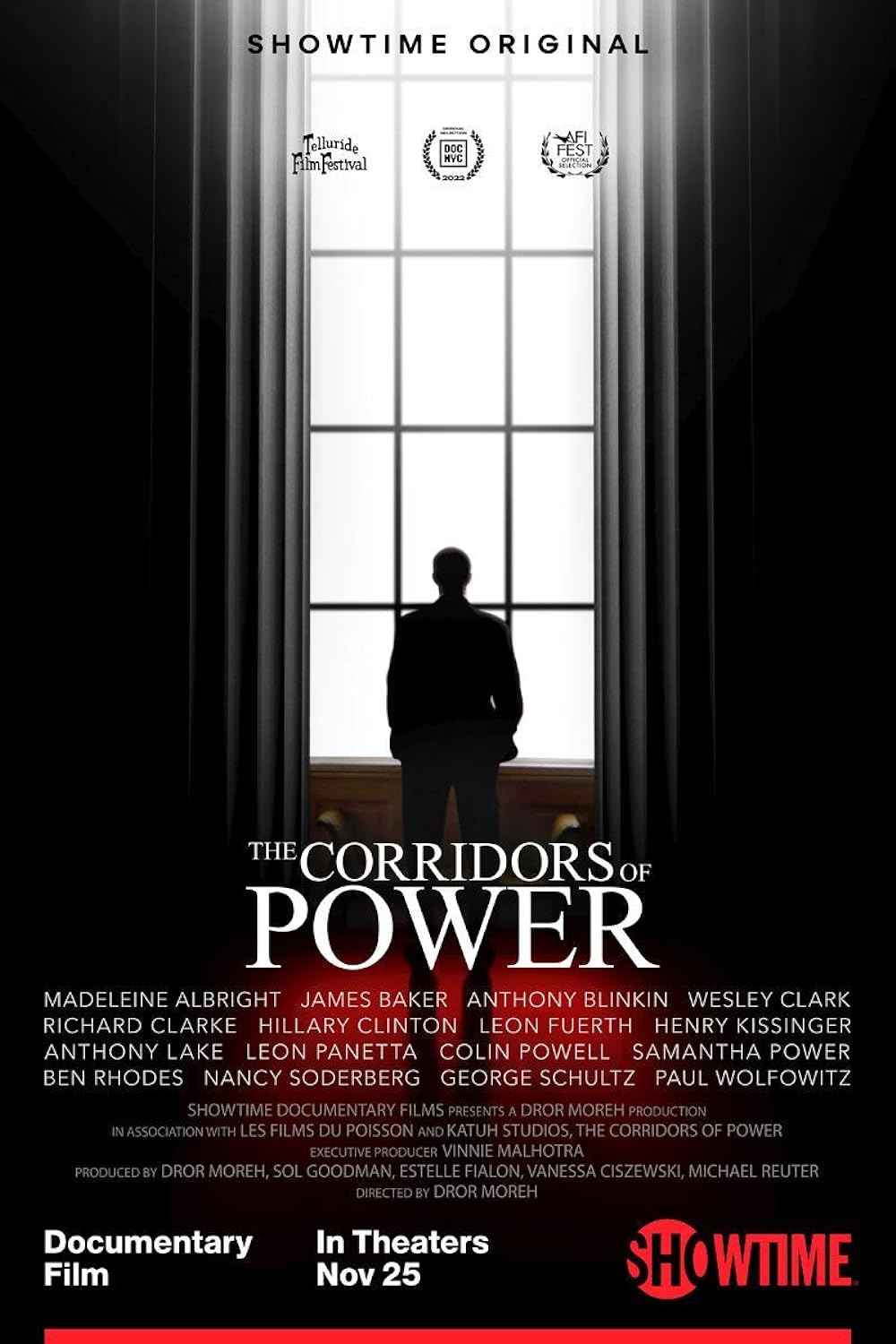
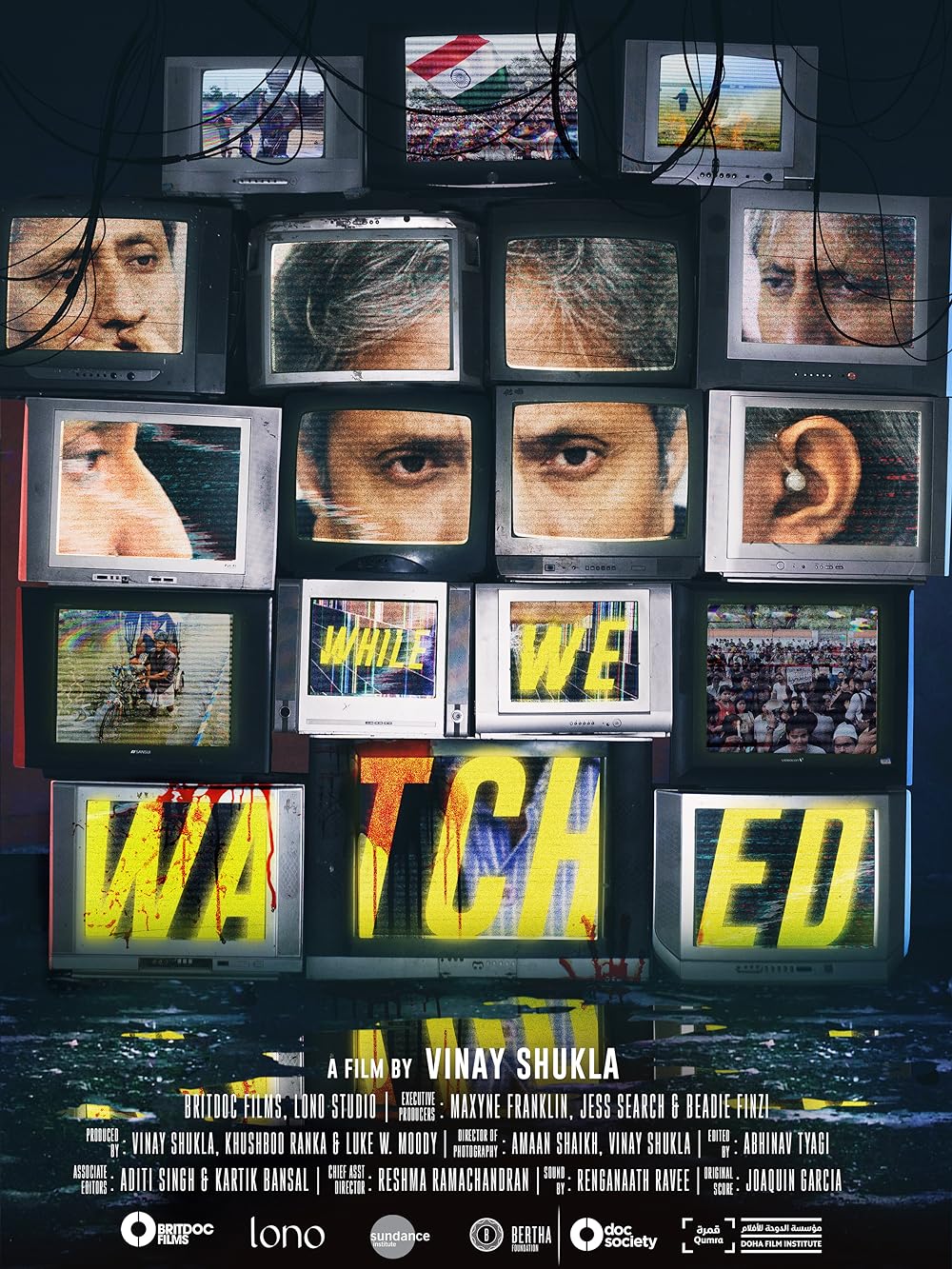
Two documentaries, both seen at the Sydney Film Festival, one about the US government’s response to genocides after the fall of the USSR, the other about the struggle of independent journalism in Modi’s India:

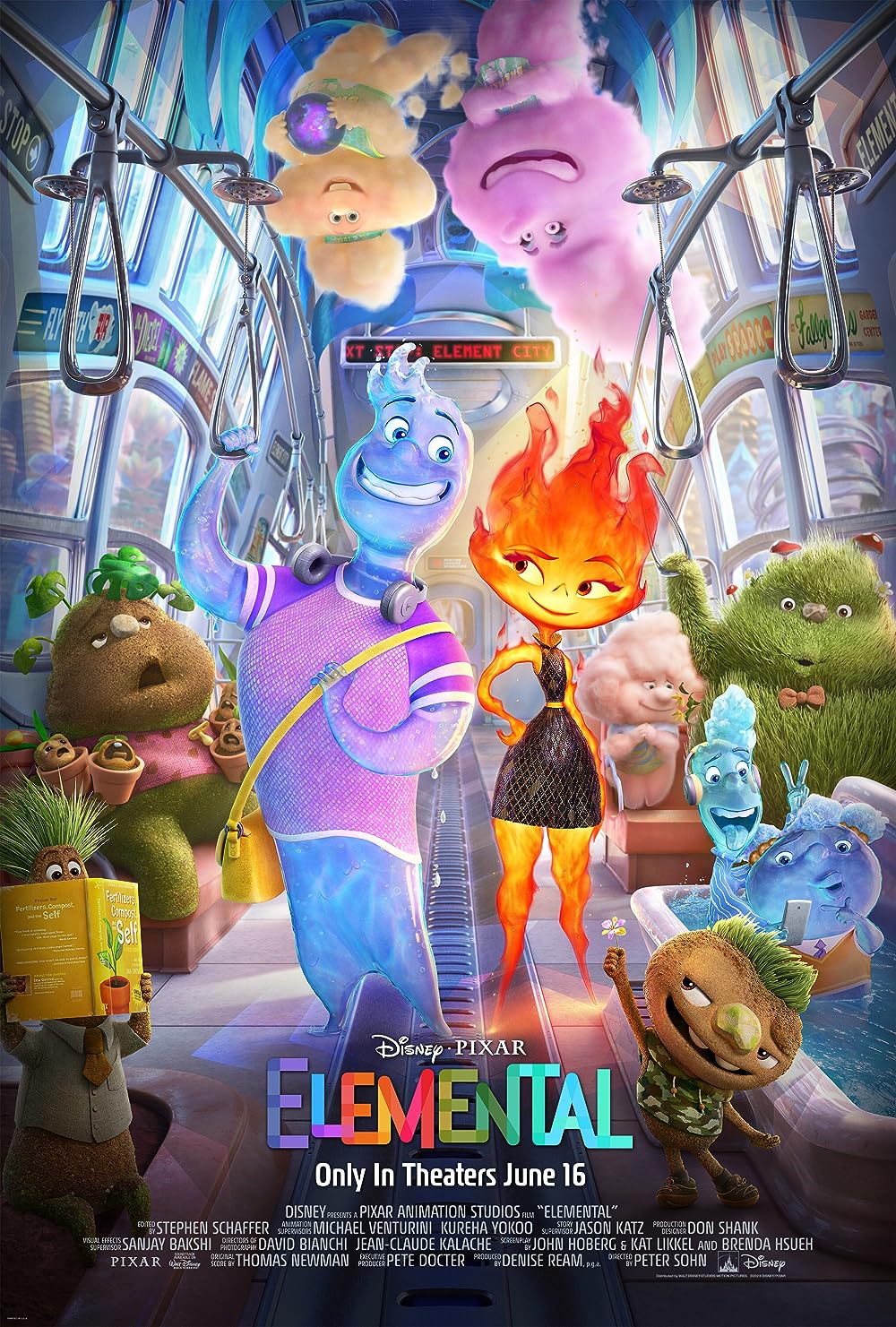
Two children’s films, one each, a story of a migrant family and the origin story of a classic:

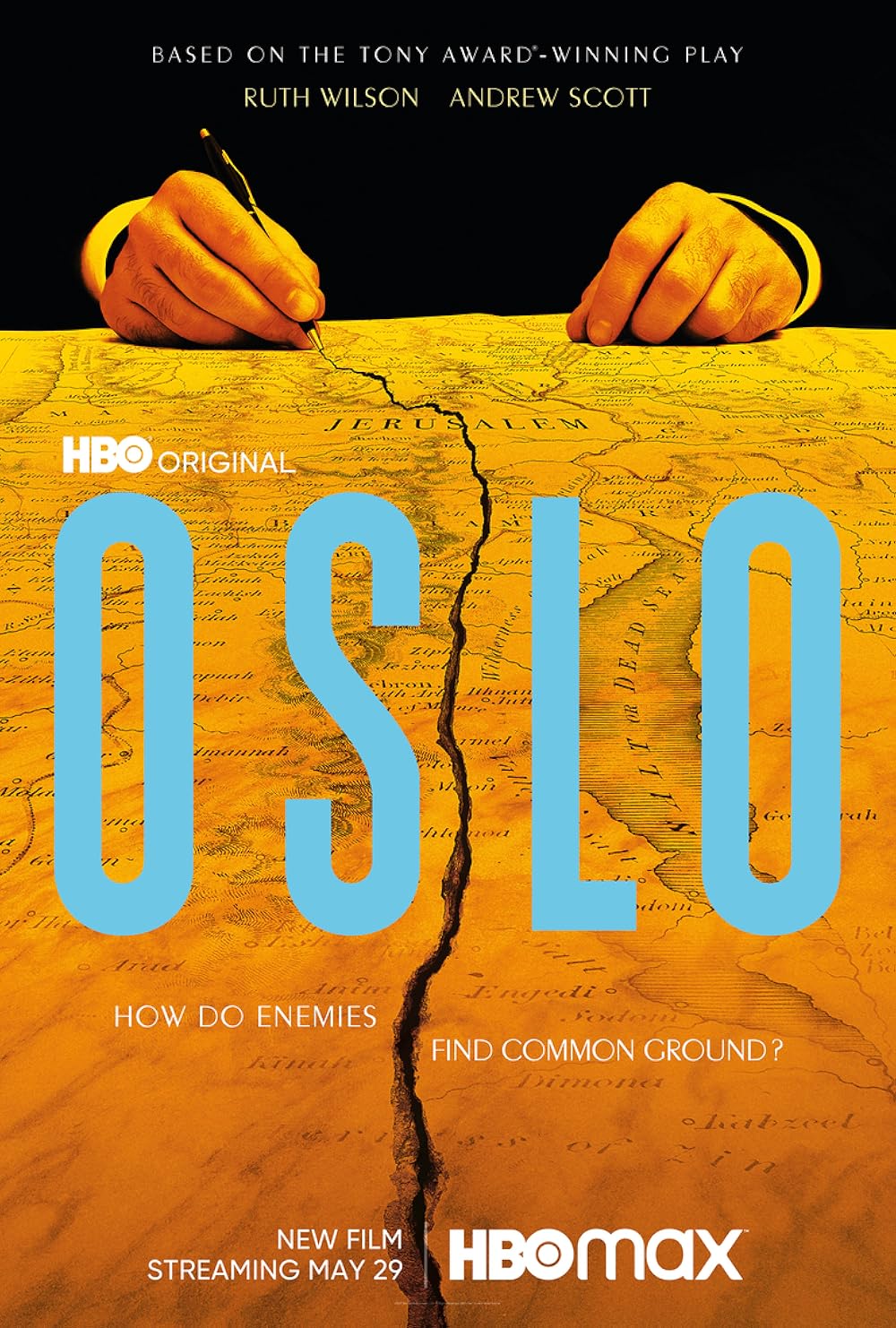
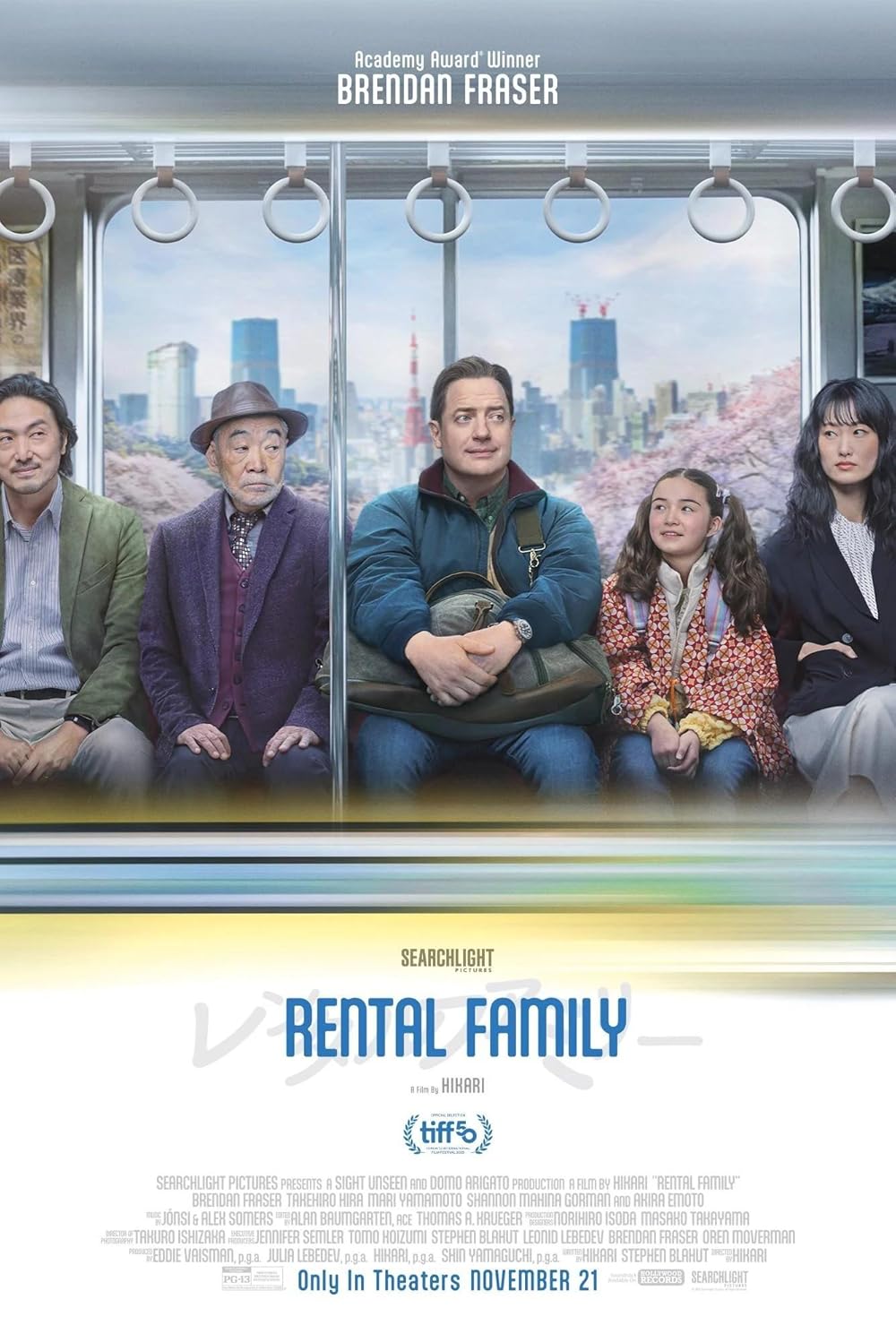
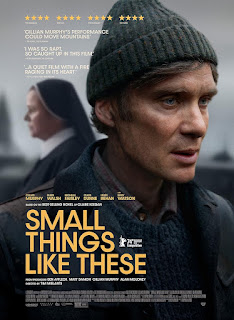
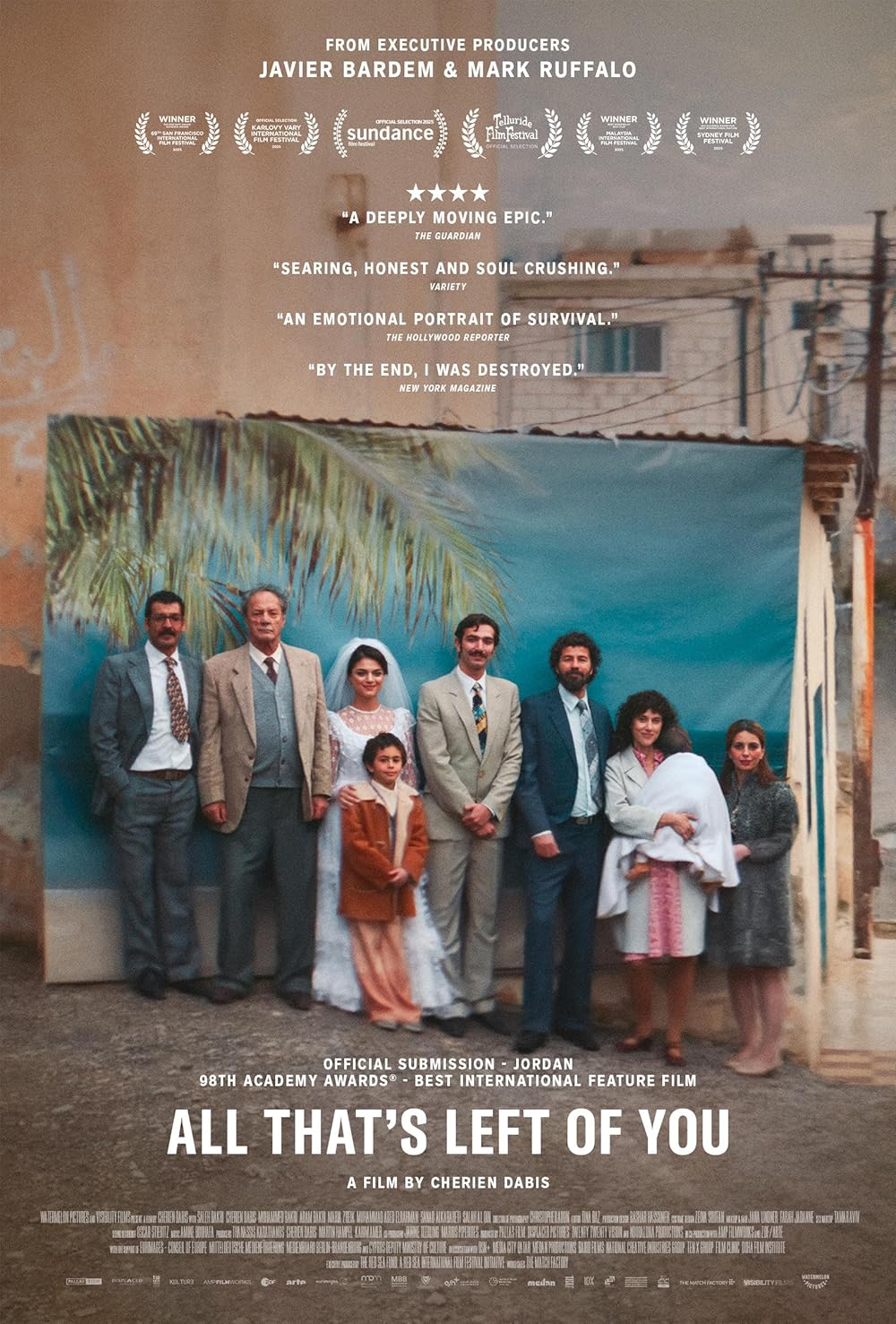
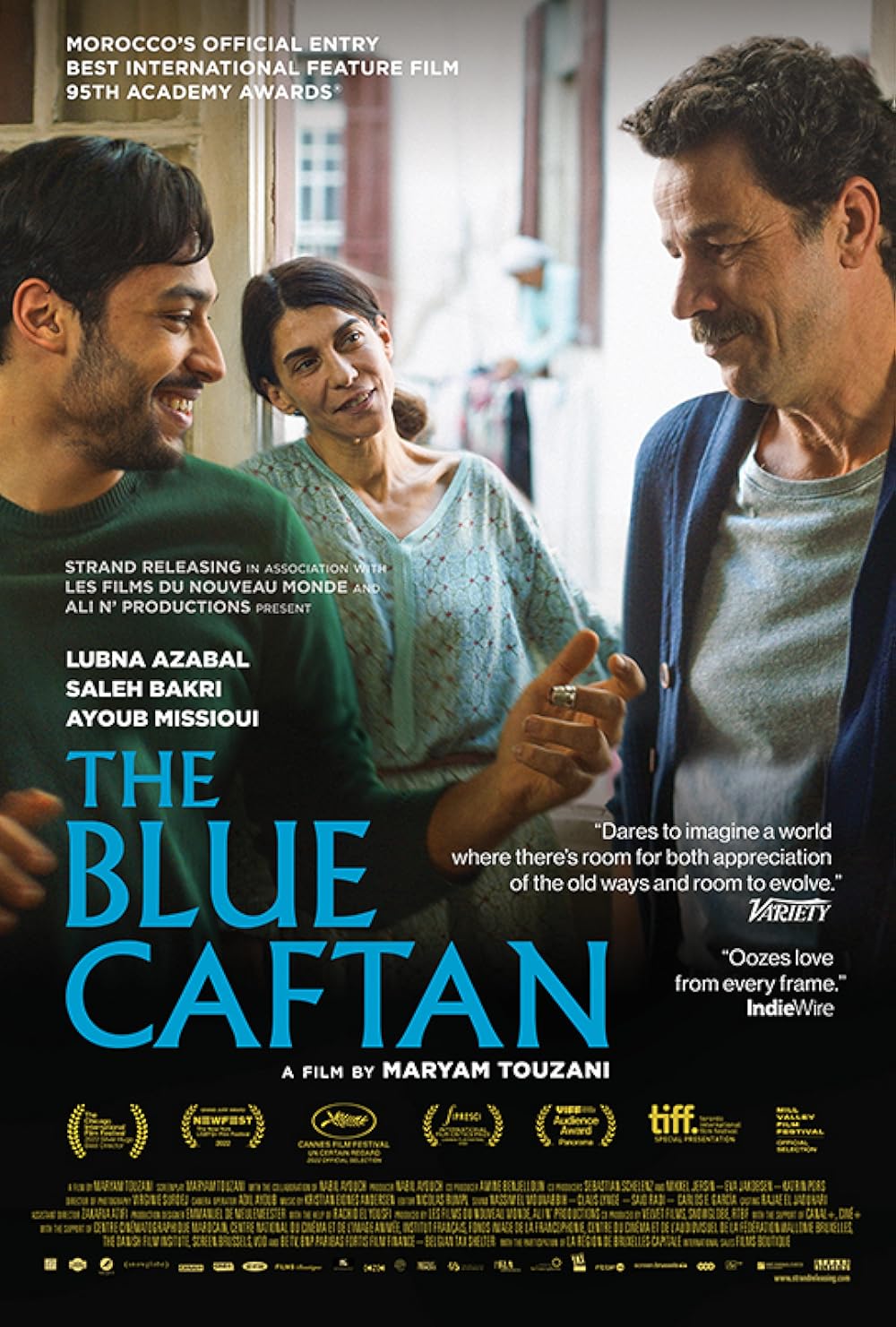
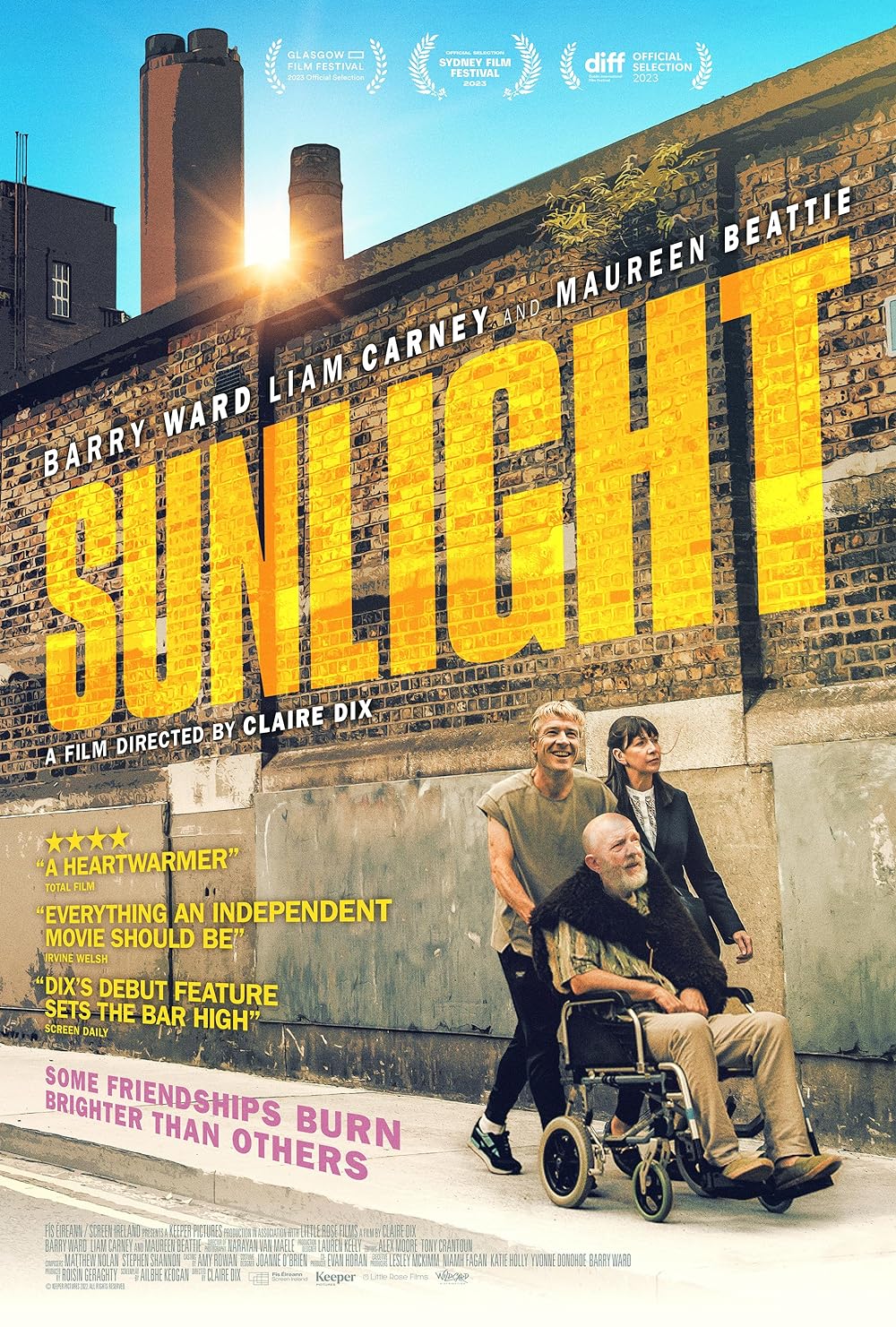
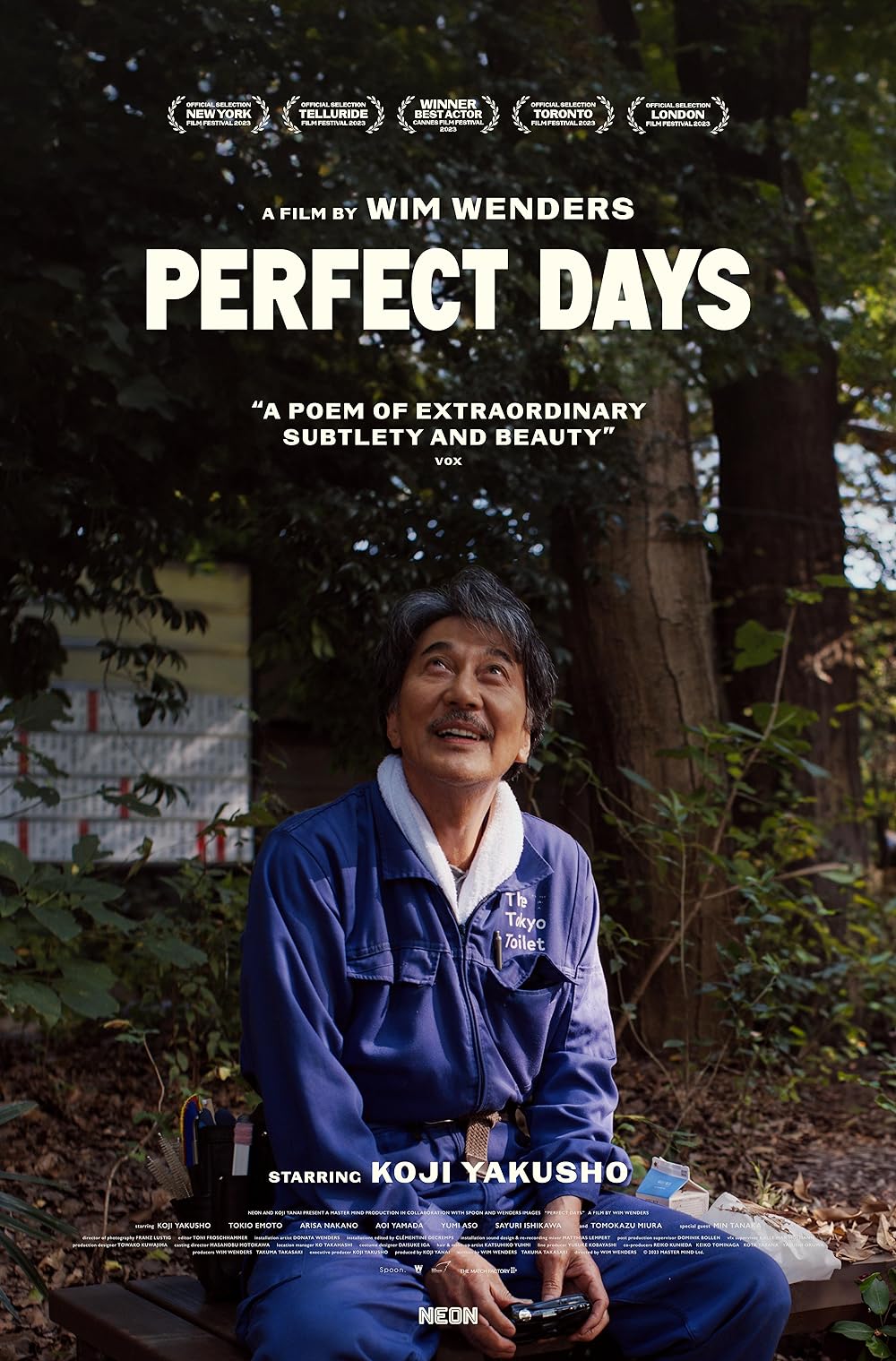
Five features, one each from Morocco, Ireland, Germany/Japan, South Korea/USA and the north of England; one possibly the last film of a master, and at least one debut feature; one that was lucky to see the light of day because it challenged state-enforced norms:

Coming soon, our favourite TV series of the year.

Year’s end lists 2017

It’s been quite a year. As it comes to an end the Emerging Artist (now with an MFA) and I have drawn up our Best Of lists.

MOVIES
I saw 64 movies, including a number watched on YouTube such as Godard’s Le mépris and Eisenstein’s October, the EA slightly fewer. It was a year of wonderful movies, as well as a handful of crushing disappointments, but here’s what we managed to single out.

The Emerging Artist’s top five, with her comments:

Manchester by the Sea (Kenneth Lonergan 2016): I liked the slow, meditative build-up to the reveal and the ultimate resolution of the past that allowed the character to keep living.

The Salesman (Asghar Farhadi 2016): Tense, intense and brilliant. The visuals were wonderful, from the woman in shocking red against the grey of usual clothing to the tightness of action carried out in multiple stairwells.

Certain Women (Kelly Reichardt 2016): Many friends didn’t take to this film, and we saw it at a disadvantage on a very small screen. Three interlocking stories each gave small moments of pleasure, especially the last.

A Man of Integrity (Mohammad Rasoulof 2017): We saw this gripping Iranian film at the Sydney Film Festival. It has a universal theme of how to live a moral life when survival depends on going along with corruption. Deeply human, and also claustrophobically Kafkaesque.

Living/Ikiru (Akira Kurosawa 1952): What a delight this was. We saw it at the SFF. In three long sections the main character explores how to live well. Being a bureaucrat isn’t the answer.

… plus a bonus documentary for the EA

Nowhere to Hide (Zaradasht Ahmed 2016): A visceral look at northern Iraq through one man’s eyes, a paramedic trying to stay in his town as ISIS moves in.

My top five (chosen after the EA chose hers, avoiding duplicates):

Moonlight (Barry Jenkins 2016): Marvellous film, very slow. One of my companions said that it was like a behind the scenes look at The Wire. Three wonderful performances as the boy who becomes a man, perhaps especially Trevante Rhodes who shows the small frightened boy inside the streetwise drug lord.

Denial (Mick Jackson 2016): A very methodical film, written with great clarity by David Hare and featuring an excellent cast, this is a timely look at the importance of evidence-based thinking as opposed to adjusting the fact to accord with one’s political interests.

Silence (Martin Scorsese 2016): An old(ish) man’s deeply felt exploration of his Catholic heritage. Timely to be reminded of the intensities of Catholic belief when the institutional church’s failures around child sexual abuse are being exposed.

 I Am Not Your Negro (Raoul Peck 2016): James Baldwin was brilliant, and this film does him justice. Favourite quote: ‘Not everything that is faced can be changed, but nothing can be changed until it has been faced.’

Blade Runner 2049 (Denis Villeneuve 2017): Is there a word that means ‘bombastic’ but has entirely positive connotations?  That’s the word I want to use about this movie. And as someone asked on Twitter, ‘What happened to Deckard’s dog?’

… and a favourite moment:

In Hope Road (Tom Zubrycki 2017), at one point in his arduous fundraising walk, Zachariah Machiek (one of the ‘lost boys’ of South Sudan) strays onto private property and meets a couple of rough looking types who exude menace worthy of any Hollywood thriller.

Worst film of the year:

We both picked the same one, Sea Sorrow (Vanessa Redgrave 2017). Me: This started out as a fundraiser for unaccompanied child refugees in Europe, in which a number of big name actors did bits from Shakespeare and other turns. Vanessa Redgrave wanted to reach more people with her passionate message of compassion and worked it up into a film. Sadly it’s hardly a film at all. Emerging Artist: I’d have to agree. Though we did see a few really bad films, this one rated as it was so anticipated.

THEATRE

All but two of our theatre outings this year were to the Belvoir. It was a very good year – we only left at interval once. These are our picks:

Ghosts (Henrik Ibsen 1882): Eamon Flack’s director’s program note says this production isn’t set in 1881, but in a room that hasn’t changed since 1881. Like Tony Abbot’s mind. The sarcasm of that note is nowhere to be seen in the production, but it’s accurate anyhow. Pamela Rabe is brilliant in a very strong cast. The set refers to the detail of Ibsen while being quite spare. There’s a marvellous theatrical moment involving ash.

The Rover (Aphra Behn 1677): Aphra Behn was quite a playwright, and Eamon Flack and his physically diverse cast have a lot of fun and give a lot of joy in making it new. At the very end there were a couple of bars of Nino Rota’s film music, and we knew we were all on the same page.

Mark Colvin’s Kidney (Tommy Murphy 2017): Directed by David Berthold with Sarah Peirse and John Howard as the leads and set designed by Michael Hankin, this is a terrific play. I would have gone home happy at the end of the first act, but wasn’t disappointed by the rest. I went in thinking I knew the story and expecting to be mildly engaged, but I was bowled over.

BOOKS

Fiction:

The Emerging Artist’s top three:

Elizabeth Strout, Anything Is Possible: A lovely meditation on life and death and ageing. I read it in hospital after major surgery and it fitted my mood. I loved the interweaving of the characters and the story is excellent.

Michael Chabon, Moonglow: Telegraph Avenue is still my favourite Michael Chabon novel, and I loved this because it had many of the same qualities.

Nicole Krauss, Forest Dark: She’s a very quirky writer who takes the reader into weird places. This book possibly had too much Kafka in it but it was still a very enjoyable expedition.

My top three (linked to my blog posts about them):

Halldór Laxness, Independent People (©1934–1935, translation by James Anderson Thompson 1945, Vintage edition 1997)
Madeleine Thien, Do Not Say We Have Nothing (Granta 2016)
Ali Alizadeh, The Last Days of Jeanne d’Arc (Giramondo 2017)

Non-Fiction

The Emerging Artist’s top three:

Kim Mahood, Position Doubtful: My favourite book for this year, it has all my favourite things in it: art, maps, an attempt to come to terms with the relationship between Aboriginal people and non-Aboriginal people. And it’s respectful of everybody.

Hannah Fink, Bronwyn Oliver: Strange Things: At present Bronwyn Oliver is my favourite Australian artist. This book gives insights into her work, her practice and the tragedy of her life. It looks at the dangers of the artist’s life, in particular the use of toxic materials, which contributed to her early death.

Susan Faludi, In the Dark Room: A wonderful interweaving of the history of Hungary, anti-semitism, male violence, trans politics and a daughter–father relationship. It’s got everything.

My top three (once again, apart from excellent AWW books listed yesterday; linked to my blog posts):

T G H Strehlow, Journey to Horseshoe Bend (©1969, Giramondo 2015)
Svetlana Alexievich, Chernobyl Prayer (1997, trans Anna Gunin & Arch Tait Penguin Classics 2016)
James Rebanks, The Shepherd’s Life ( 2016)

Poetry
(I choose reluctantly, placing it behind most of the AWW poetry books):

Ted Hughes, Tales from Ovid (Faber & Faber 1997). I recommended this enthusiastically at our book swap club. Someone picked it and then rejected it because I’d failed to mention that it was …. poetry.

Comics

Jeff Lemire, Dustin Nguyen and others, Descender Volumes 1–4 (Image Comics 2016, 2017), my blog posts here and here.
——-
Happy New Year, dear reader. May 2018 see #metoo bear marvellous fruit. May the world become less racist, more peaceful and more just. May all the detainees on Manus and Nauru find safety somewhere very soon.

Six months of movie-going

I just found a list of the movies I saw in the first half of 1970, the year I turned 23, my English Honours year at Sydney University. I had just left the Marist Brothers and I was awfully lonely without the fraternal community of the previous seven years, but there were movies to fill the void: the ones in the picture theatres and the ones screened cheap by the Sydney University Film Group (of whom John Flaus and Michael Thornhill were leading lights). No film courses were offered at the university in those days, but it’s hard to imagine a course that would have been this eclectic or offered such startling double bills. I wonder if such an extended binge is a common experience.

Here’s the incredibly rich list.

I saw the first four films at home in North Queensland, with my older brother (the first three) and my parents. After that I was in Sydney and briefly in Canberra.

January:
whisperers25 The Lineup (Don Siegel 1958)
27 Summer Fires (also known as Mademoiselle) (Tony Richardson 1966, starring Jeanne Moreau)
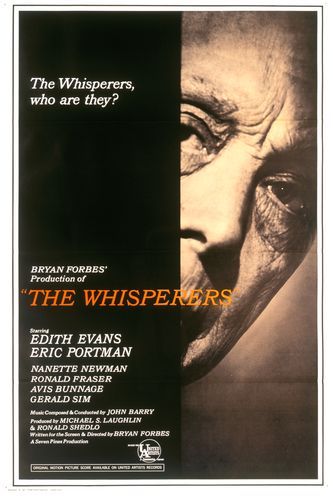
28 The Whisperers (Bryan Forbes 1967, with Dame Edith Evans)
30 The Subject Was Roses (Ulu Grosbard 1968: the poster said, ‘Patricia Neal is back,’ but I didn’t know she’d been away, or who she was)

February:
culdesac13 Hamlet (Tony Richardson 1969)
14 If … (Tony Richardson 1968)
18 Midnight Cowboy (John Schlesinger 1969)
20 The Searchers (John Ford 1956; John Wayne, ‘As sure as night follows day…’)
23 The Killers (Don Siegel 1964)
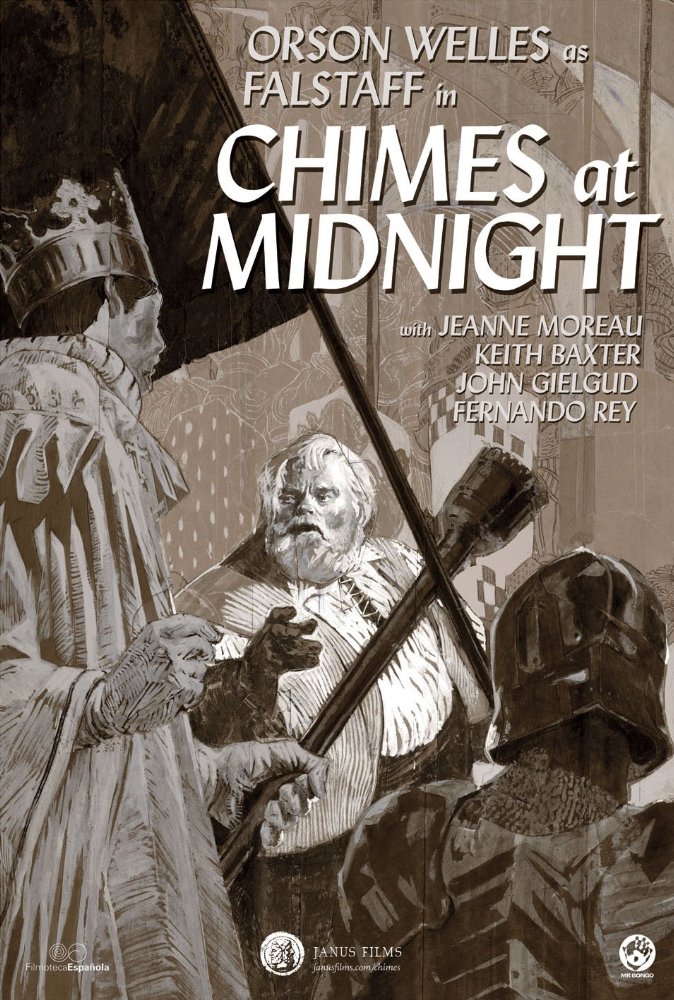
23 Chimes at Midnight (Orson Welles 1965)
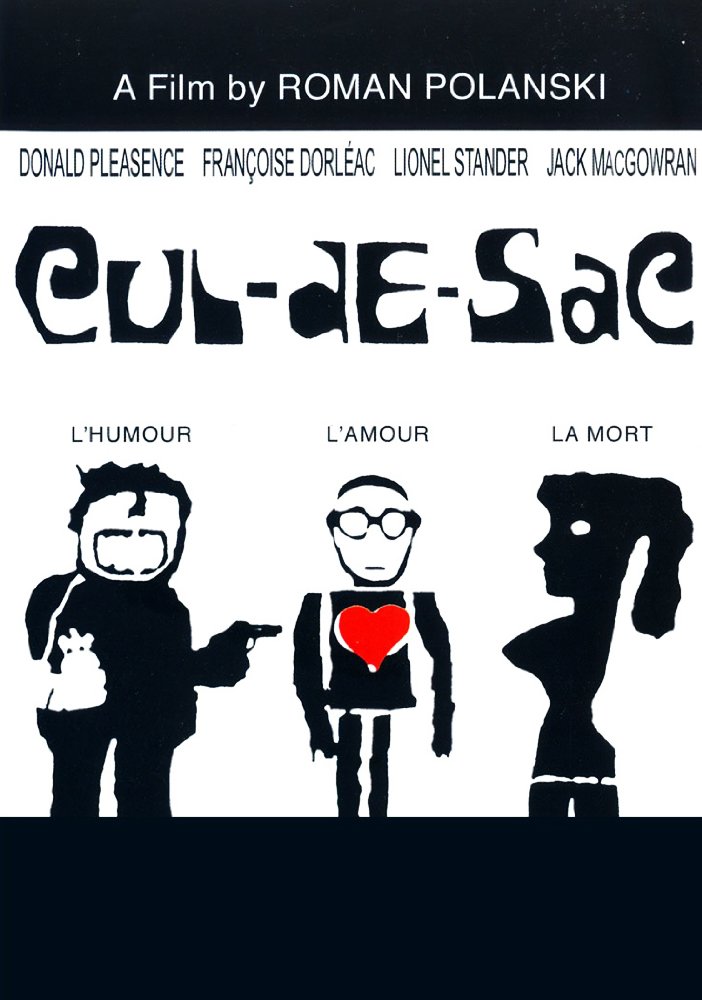
24 Cul-de-Sac (Roman Polanski 1966; Donald Pleasance bowled me over)

March;
mabuseStrike (Sergei M. Eisenstein 1925)
9 Targets (Peter Bogdanovich 1968)
12 Alice’s Restaurant (Arthur Penn 1969; Arlo Guthrie)
12 The Chase (Arthur Penn 1966)
13 Medium Cool (Haskell Wexler 1969; the 1968bDemocratic Convention – ‘Haskell, it’s real!’)
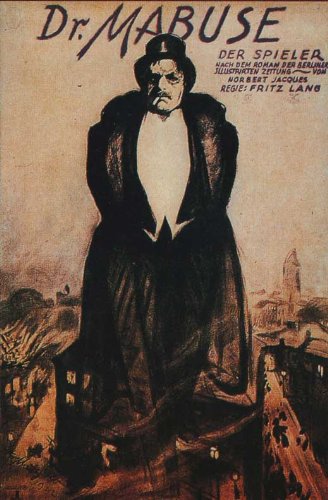
20 Dr Mabuse (Fritz Lang 1922)
21 Touch of Evil (Orson Welles 1958; Marlene Dietrich; ‘He was some kind of a man’)
28 Zabriskie Point (Michelangelo Antonioni 1970; amazing street art in San Francisco, and also kaboom!)
28 Easy Rider (Dennis Hopper 1969)

April:
coeurs3 Nanook of the North (Robert J. Flaherty 1922)
3 Les coeurs verts (Edouard Luntx 1966; the scene where the juvenile delinquents break into a swimming pool and suddenly there’s a wonderful naked underwater ballet; Gus Van Sant must have seen it)
6 Summer with Monika (Ingmar Bergman 1953)
Sawdust and Tinsel (Ingmar Bergman 1953)
13 Mickey One (Arthur Penn 1965)
13 Through a Glass Darkly (Ingmar Bergman 1961)
16 Repulsion (Roman Polanski 1965)
17 Twelfth Night (John Sichel 1969; one of the very few films in this list that I don’t remember at all)
18 Richard III (Laurence Olivier 1955)
20 Winter Light (Ingmar Bergman 1962)
20 Guns in the Afternoon (Sam Peckinpah 1962)
23 Barrier (Jerzy Skolimowski 1966)
24 White Nights (Luchino Visconti 1957)
26 Planet of the Apes (Franklin J Schaffner 1968)
26 Modesty Blaise (Joseph Losey 1966)
27 The Enforcer (Raoul Walsh 1951)
27 Vivre sa vie (Jean Luc Godard 1962)

May: 
burmeseMinistry of Fear (Fritz Lang 1944)
1 Where the Sidewalk Ends (Otto Preminger 1950)
5 The Blue Gardenia (Fritz Lang 1953)
9 The Wild Bunch (Sam Peckinpah 1969)
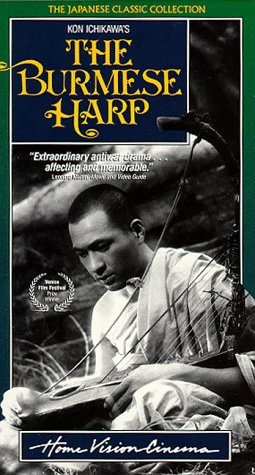
12 The Burmese Harp (Kon Ichikawa 1956; maybe my first east Asian film, and I was gobsmacked)
12 Tirez sur le pianiste (Francois Truffaut 1960)
23 Frankenstein (Don Whale 1931)
30 MASH (Robert Altman 1969)

June:
pointblank12 Crime and Punishment (Josef Von Sternberg 1935; could Peter Lorre really be who Dostoevsky had in mind?)
15 Bedazzled (Stanley Donen 1967)
20 Ramrod (André De Toth 1947; a Joel McCrae western)
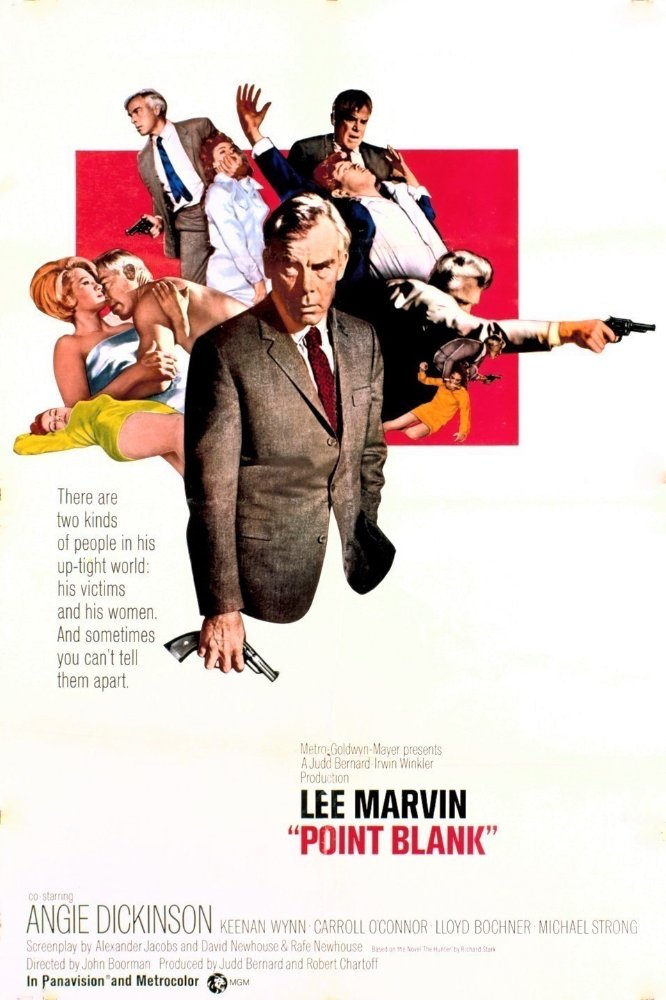
21 Point Blank (John Boorman 1967; Lee Marvin!)
21 The Fearless Vampire Killers (Roman Polanski 1967; I laughed myself silly at the Aquarius Festival in Canberra)
26 The Man Who Had His Hair Cut Short (André Delvaux 1965)
26 Notorious (Alfred Hitchcock 1946)
27 The Power and the Glory (Marc Daniels 1961)
27 L’Etranger (Luchino Visconti 1967)
29 The Damned (Joseph Losey 1961; ‘Black leather, black leather, rock rock rock’; Oliver Reed)
29 Persona (Ingmar Bergman 1966)

July:
gospel2 Rysopsis (Jerzy Skolimowski 1964; is this the one where the old people in the bar make their glasses resonate?)
2 My Way Home (Miklós Janscó 1965)
3 Bullitt (Peter Yates 1968)
3 Bonnie and Clyde (Arthur Penn 1967)
3 October (Sergei Eisenstein 1928; Ah, by this time I wasn’t so lonely any more; I saw it with my girlfriend and her Russian mother, who didn’t like its politics)
Alfie (Lewis Gilbert 1966)
6 The Tall T (Budd Boetticher 1957)
6 Shame (Ingmar Bergman 1968)
8 Butch Cassidy and the Sundance Kid (George Roy Hill 1969)
10 The Thirty-Nine Steps (Alfred Hitchcock 1935)
10 Memories of Underdevelopment (Tomás Gutiérrez Alea 1968; an independent Cuban film)
12 Juliet of the Spirits (Federico Fellini 1965; my first Fellini, I had no idea what to make of it)
13 Petulia (Richard Lester 1968)
13 Last Year at Marienbad (Alain Resnais 1961)
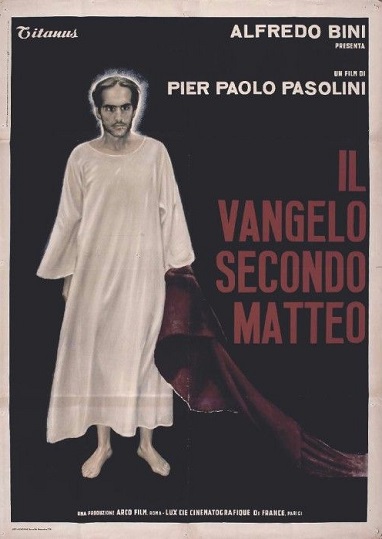
20 The Gospel According to Matthew (Pier Paolo Pasolini 1964; my first Pasolini, I was blown away)
25 The Roaring Twenties (Raoul Walsh 1939; screened to a small audience, Flaus stopped the projector and rescreened Marlene Dietrich’s first appearance three times)
27 Contempt (Jean Luc Godard 1963; starring Fritz Lang and Brigitte Bardot)
– The Wild Angels (Roger Corman 1966)
– Woodstock (Michael Wadleigh 1970)

The Book Group and Falstaff

When we were discussing possibilities for our next book at the Book Group’s last meeting, one Grouper said he was reading Harold Bloom’s Shakespeare: The Invention of the Human,  and was fascinated by Bloom’s argument that Falstaff, the roistering old man in the Henry IV plays, was one of Shakespeare’s most important creations – ‘a great dream of reality’. He proposed that we read those plays. Perhaps our collective defences were down, but his proposal won the day.

Before the meeting:
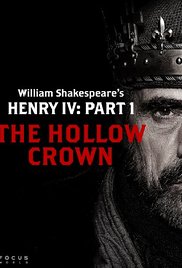
Plays are meant for the stage rather than the page. That’s my excuse for not reading them,  but watching two modified versions: the relevant episodes of the BBC’s The Hollow Crown (2012, adapted and directed by Richard Eyre), and Orson Welles’s 1965 Falstaff (Chimes at Midnight). The plot, in case you need it, is that Henry IV, who became king through pretty disgusting machinations in Richard II, now fights off rebels and establishes himself as a legitimate ruler. To his chagrin, his son and heir to the crown, Henry, Hal to his friends, lives a dissolute life under the mentorship of a gross, permanently drunk old man, Sir John Falstaff. It’s no spoiler to say that Hal comes good in the end, defeats the rebel Percy Hotspur, who in the king’s eyes has all the qualities Hal lacks, is finally reconciled with his father and assumes the crown, rejecting his former life and those who were his companions, most notably and dramatically Falstaff.

h41.jpg
h42.jpg

The Hollow Crown episodes have high production values, with a powerful Falstaff in Simon Russell Beale and a completely charming Tom Hiddleston as Hal. As two of seven episodes in a historical TV series that happens to be largely written by Shakespeare, they necessarily focus on the story of the king (played by Jeremy Irons). There’s a grimy realism to the portrayal of Falstaff and his world, so he comes across as a pathetic drunkard lacking in moral integrity who tries to cover the squalor of his life with witty patter and unconvincing bravado. When Hal insults him (trigger warning: there are a lot of fat jokes), it feels hurtful even at its most playful. Whatever its other strengths, this production is no help in understanding what Harold Bloom was talking about.

chimes.jpg

Chimes at Midnight is a huge contrast. It looks as if it was scraped together on the smell of an oily rag – possibly the oily rag that was left after John Gielgud, Jeanne Moreau, Ralph Richardson and Margaret Rutherford had been paid (though who knows, maybe they worked for very little). The sound is at times painfully iffy (lots of post-production dubbing), and the acting and mise-en-scène stagey to the nth degree. But the sheer exuberance of Welles’s Falstaff carries all before it.

I loved it when I saw it in the early 1970s, and I loved it again this week.

At one point, in the tavern/brothel where Hal, Falstaff and their fellow-roisterers hang out, Falstaff proposes a play, in which he will be the king. With a cushion on his head for a crown, and his vast bulk hoisted onto a raised chair, he upbraids Hal for his prodigal ways (anticipating a scene not much later when the real king does the same), and sings the praises of the good Sir John Falstaff. The original audience would have recognised, I remember from my university days, the presence of the traditional Lord of Misrule, a peasant crowned ‘king’ in a midwinter festival so that all normal, staid life gave way to riotous living. Falstaff in his tavern, full of life, big of body, delighting in language (including witty insults hurled at his own head), updates that tradition: a bright, irresponsible double of the calculating king in his forbidding court where every word is consequential and there is very little joy.

Which made me think of Donald Trump. In Part One Act 2 Scene 4, Falstaff is accused of lying. First he denies it:

What, art thou mad? art thou mad? is not the truth the truth?

Challenged to explain the discrepancies in his story, he shifts the ground. Why should he allow himself to be compelled to explain himself?

What, upon compulsion? ‘Zounds, an I were at the strappado, or all the racks in the world, I would not tell you on compulsion. Give you a reason on compulsion! If reasons were as plentiful as blackberries, I would give no man a reason upon compulsion, I.
Then he attacks his accuser:

‘Sblood, you starveling, you elf-skin, you dried  neat’s tongue, you bull’s pizzle, you stock-fish! O for breath to utter what is like thee! you tailor’s-yard, you sheath, you bowcase; you vile standing-tuck —

And at last, confronted with hard evidence, he says he was joking.

In the final scene of the first play, Falstaff claims to have killed Hotspur. When Hal calls him on it, and asserts that he did it himself, Falstaff shakes his head:

Lord, Lord, how this world is given to lying!

We laugh. He is such an ingenious rogue. When Falstaff says, ‘Banish plump Jack, and banish all the world,’ we feel the truth of it, and when at the end of the second play, the newly crowned King Henry V turns to him and says, ‘I know thee not, old man,’ we don’t see the dashed hopes of an unrealistic opportunist (which is pretty much how it comes across in The Hollow Crown) so much as a terrible self-amputation that’s necessary if Hal is to assume political power responsibly. And it is necessary. If Falstaff were to have a position of influence at court, the political system would be in serious trouble.

If only someone could have invented a position of Misrule President, it might have been fun, for a week or so over summer, for a Falstaffian figure who ‘isn’t a politician’ to bully and bluster and joke at the expense of the carefully correct, to make outrageous claims for himself and outrageous threats against other people, to talk of alternative facts and fake news. So long as he did all that with panache we could enjoy the sheer gall of it. We might even laugh at his naughtiness as he robs people blind. For a week or so.

Banish plump Donald and banish all the world. Yes, I get that: we need irreverence. But elect plump Donald and wreck all the world.

The meeting:
Unusually, I came to this meeting with explicit expectations. I wanted to hear more about how Harold Bloom sees Falstaff, and I wanted to hear from a Group member who has played the role in the theatre.

It turned out that the latter played Falstaff decades ago in The Merry Wives of Windsor, which he said is a romp churned out by Shakespeare on short order at Queen Elizabeth’s request. The Falstaff in that play is a much less interesting creation, though much more sexually active, and attractive. Our actor had interesting things to say about the way Elizabethan audiences were much more sensitive to verbal subtleties than we are – they would go to hear a play, while we go to see one.

As for Bloom, evidently he goes through the usual perceptions of Falstaff one by one and demolishes them. Not a coward. Not a drunk. Not an opportunist. Not a liar, a thief, a scrounger or a knave. Instead, he is a great refuser of cant, a truth-speaker, a person who puts the joy of living and the joy of relationships above all else. I may be misrepresenting, as of course this discussion happened over barbecued sausages and salad and was far from interjection free. I was unconvinced. However, we were treated to a reading from Part One, Act V Scene 1. The battle (truly horrendous in the Welles movie) is about to start. Falstaff has asked Hal to protect him and been refused, Hal saying, ‘Thou owest God a death.’ Alone on stage, Falstaff ruminates:

calls not on me? Well, ’tis no matter; honour pricks
me on. Yea, but how if honour prick me off when I
come on? how then? Can honour set to a leg? no: or
an arm? no: or take away the grief of a wound? no.
Honour hath no skill in surgery, then? no. What is
honour? a word. What is in that word honour? what
is that honour? air. A trim reckoning! Who hath it?
he that died o’ Wednesday. Doth he feel it? no.
Doth he hear it? no. ‘Tis insensible, then. Yea,
to the dead. But will it not live with the living?
no. Why? detraction will not suffer it. Therefore
I’ll none of it. Honour is a mere scutcheon: and so
ends my catechism.

It’s wrong, according to Bloom (at third hand), to read this as a roguish rationalisation for cowardice. It is actually a deep challenge to the whole code of conduct built around the concept of honour, a code that accounts for an awful lot of violence and death. I was reminded of Israeli writer Etgar Keret on ABC Radio’s Books and Arts recently saying that when he asked his father what he was proudest of in his life, he said, ‘I have been in the front lines of five wars, and as far as I know I’ve never hurt anyone.’ That’s not dishonourable, but – arguably true also of Falstaff – it stands aside from the demands of honour.

My Trump-as-Falstaff thesis cut only a little bit of ice.

2015 favourites

Each December we – that is, me and the Emerging Artist formerly known as the Art Student – compile a list of our favourite books and films of the year. We’ve been caught this year with minimal internet coverage (and maximal sun, sand, beach, bush and rain, especially rain) so we’re running a bit late.

Three movies made both our top five lists:

ToY

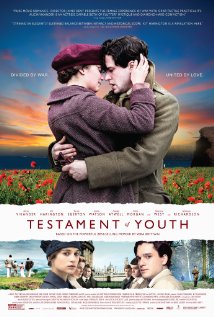
Testament of Youth (directed by James Kent), from Vera Brittain’s memoir, screenplay by Juliette Towhidi: A World War One film in the year when idealising  Gallipoli  was big in the headlines, it doesn’t focus on the battlefield but on the effects of the war on the combatants and their families and loved ones. It makes a powerful pacifist argument.

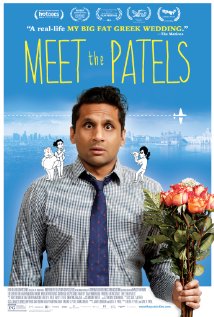
Meet the Patels (Geeta Pavel, Ravi Patel 2014): We saw this at the Sydney Film Festival. It’s unlikely to get a theatrical release, but it’s a very funny documentary about match-making among first generation Americans of Indian heritage. It’s really about intergenerational relationships. The EA says it’s a must-see for every parent.

hnmm

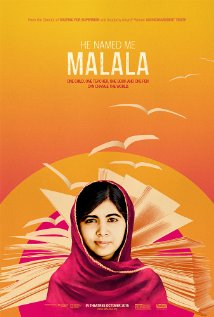
He Named Me Malala (Davis Guggenheim 2015): Another documentary, this one could be seen as hagiographic, but Malala Yousafzai is a remarkable young woman. I loved the way she spoke with the absolutism of teenagehood from a position of influence to tell the president of Nigeria to do his job and ensure the safety of the girls abducted by Boko Haram.

The Emerging Artist’s other two:

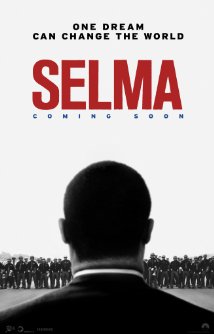
selma

Selma (Ava DuVernay 2015): A flawed movie, but it conveyed the experience of ordinary people taking part in Civil Rights marches. The leadership of the march across the bridge was particularly interesting: how to think strategically, resisting the push to be seen to take ‘decisive action’. The filmmakers weren’t given permission to use Martin Luther King Jr’s actual speeches, but the ones written for the film caught his style brilliantly.

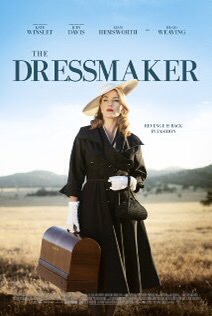
 The Dressmaker (Jocelyn Moorhouse 2015): The humour, the flamboyance, the over-the-topness of it. Kate Winslett was marvellous. So was Hugo Weaving. In fact, there were no weak performances.

My other two:

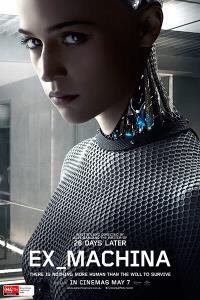
 Ex Machina (Alex Garland 2015): The thing that stays in my mind is the image of the artificially intelligent creations – a fabulous effect where we see the cogs and wheels whirring away inside what is otherwise a human head. The story worked very well too.

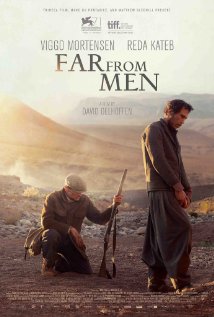
ffm

Far from Men (David Oelhoffen 2014): Apart from enjoying the easy irony that there were only men in most of the film (should it have been called Far from Other Men?), I was transfixed by this slow, beautiful film of a pied noir (Algeria-born white Frenchman) escorting an Arab prisoner through the austerely photogenic Atlas Mountains.

The EA’s top five books:

The EA’s reading year was bookended by titles that brought home the harshness of the oppression of gay men and lesbians, even in times and places where one might think it was comparatively mild. Damon Galgut’s Arctic Summer deals with novelist E M Forster’s agonising life in the closet, and the part of Magda Szubanski’s memoir, Reckoning, that tells the story of her coming out is genuinely harrowing.

But those books are in addition to her actual top five. Here are those, with her comments:

1846145066

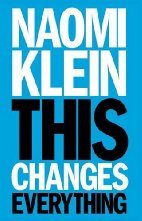
Naomi Klein, This Changes Everything: This is a bracing book that everyone needs to read. We all know about climate change in a general way, and we know that powerful vested interests fight attempts to respond effectively. Naomi Klein gives detail and challenges us not to look away.

ioc

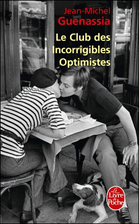
Jean Michel Guenassia,  The Incorrigible Optimists Club: A novel about Soviet bloc refugees in Paris at the time of the Algerian War of Independence, this includes a coming of age story.

1743319118

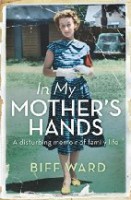
Biff Ward, In My Mother’s Hands: Excellent memoir of a 50s childhood. Buff Ward’s father was prominent left wing historian Russel Ward, so the domestic story includes elements of red-baiting. But the real power of the story is in her mother’s intensifying irrationality and the family’s attempts to deal with it.

1408703483

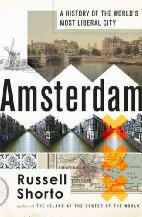
Russell Shorto, Amsterdam: A History of the World’s Most Liberal City: The birth of liberalism without the US-style individualism. This is not a travel book. It’s very accessible, thoroughly researched history that compelled at least one person to read big chunks aloud to her partner. The history of Europe looks different after reading this .

9781742232430

Vivien Johnson, Streets of Papunya: Vivien Johnson has been involved with the Western Desert artists for decades. An earlier book told the story of the great Papunya Tula artists. This book tells the story of Papunya itself, especially after many of those artists left. Art is still being made there, by a new generation, mostly women.

My top five books:

I read at least 12 books in 2015 that did what you always hope a book will do: delighted, excited or enlightened me, changed the way I felt and/or thought about the world. I whittled the list down to five by selecting only books that touched my life in explicit ways. Here they are i order of reading:
1781251088

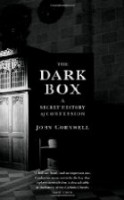
John Cornwell, The Dark Box (2014): A history of the rite of Confession in the Catholic Church. The confessional was a big part of my childhood. I’ve dined out on a story of going to confession with Brisbane’s Archbishop Duhig when I was about thirteen. He asked in a booming voice that I was sure could be heard by everyone in the cathedral outside, ‘Would these sins of impurity have been alone or with others?’ Cornwall’s book felt like a very personal unpicking of that moment and the whole cloth it was spun from.

1555976905

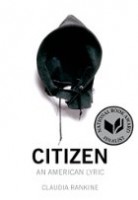
Claudia Rankine, Citizen: An American Lyric (2014). What can I say? I’m white. In laying out the way a word or phrase between friends or strangers can disrupt day-to-day life, so that the ugly history of racism makes itself painfully present, and linking those moments to the public humiliations of Serena Williams and the violent deaths of so many young African-American men, the book is a tremendously generous gift. It and Ta-Nehisi Coates’s Between the World and Me share this generosity of spirit.

dmfp

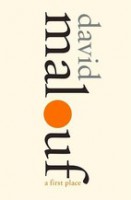
David Malouf, A First Place (2015): I haven’t blogged yet about this collection of David Malouf’s essays. It feels personal to me because David lectured me at university, but also because he is a Queenslander, and these essays explore what that means. Even though he is from what we in north Queensland used to call ‘Down South’, these essays fill a void I felt as a child – I was a big reader, but the world I read about in books only ever reflected the physical world I lived in as an exotic place.

talking-to-my-country

Stan Grant, Talking to My Country (2016): I was privileged to read this ahead of publication. Stan Grant is a distinguished Australian TV journalist. This book, part memoir, part essay, gives a vivid account of growing up Aboriginal. It includes the most powerful account of a ‘mental breakdown’ I have ever read, not as a medicalised episode of ‘depression’, but as the result of generations of pain inflicted by colonisation refusing to stay at bay.

The-Fox-Petition

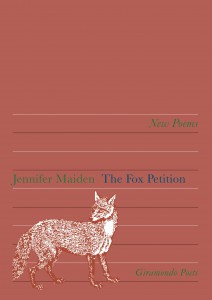
Jennifer Maiden, The Fox Petition (2015): I love this book in all sorts of ways. I love the way the image of the fox recurs – a literal fox, a fox as in Japanese folk lore, Whig politician Charles Fox. I love the chatty voice, and Jennifer Maiden’s trademark linebreaks after the first word of a sentence. I love the argumentativeness. I love the playful, almost silly, resuscitation of the distinguished dead to confront those who claim to be inspired by them. I love the way Jennifer Maiden makes poetry from the television news the way some poets do from flowers.

And now, on to 2016! I’m already about eight books behind in my blogging.

Best of 2014 in 3 lists

List 1. Movies (with links to the movies’ IMDb pages):

The Art Student and I gave each of the 50+ movies we saw in 2014 a score out of 5. There was a respectable number of 4s and 4.5s. Here are the seven with a combined score of 9.5 or more, in no particular order:

17_d

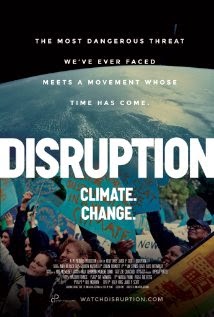
Disruption (Kelly Nyks & Jared P. Scott): we broke our tacit rule about not including movies we saw on the small screen for this one. It’s a brilliant presentation of the situation we face, made in preparation for the Climate Mobilisation in August, but still powerful and useful.

17_bh

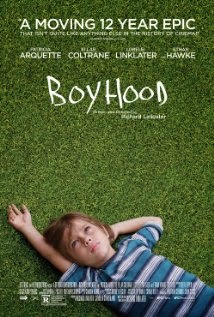
Boyhood (Richard Linklater). This does miraculous things with filming in real time. The actors actually age as the characters do. Towards the end, someone says, ‘I thought there’d be more,’ and we feel her pain.

17_L

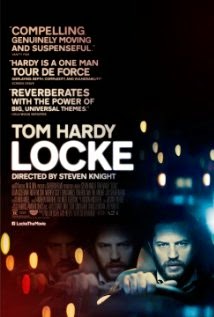
Locke (Steven Knight). Another film that does wonders with real time. One man drives in a car through the night, and is spellbinding. The spell is greatly helped by the beauty of Tom Hardy’s voice.

14_CC

Charlie’s Country, Rolf De Heer’s brilliant collaboration with David Gulpilil is just superb. That it to some extent reflects Gulpilil’s own story gives it a depth of feeling.

12y

12 Years a Slave (Steve McQueen). Nothing much needs to be said, except that this is a wonderful movie.

17_c4

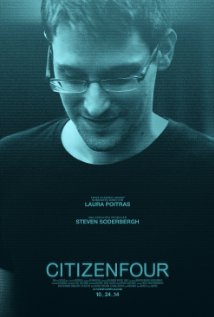
We saw Citizen Four (Laura Poitras) as part of the DOC NYC film festival. It’s a stunning documentary that plays out like a thriller, complete with grim comic relief, about Edward Snowden’s revelations of government surveillance.

tgs

Nick Broomfield’s Tales of the Grim Sleeper, which we also saw as part of DOC NYC, makes a mockery of most fiction movies about serial killers, and peels back the cover from race relations in the US.

Our worst movie
This prize has to go to the only film we walked out of: Woody Allen’s shouty, silly, predictable and unfunny Magic in the Moonlight. (To be quite honest, the Art Student predicted the reveal; I just didn’t care.)

List 2. Books

The Art Student’s best five (with comments taken from my notes of a chat about them):

144477963X

Siri Hustvedt, The Blazing World: The Art Student particularly loved how convincingly this novel describes the artworks created by its protagonist. [We heard Siri Hustvedt read from The Blazing World to about 30 people in Brooklyn last month. She read beautifully and answered questions generously. Memorably, she told us she had found Kierkegaard to be great fun since she first read him as a teenager.]

1400066026

Alan Furst, The Spies of Warsaw: a novel of espionage in eastern Europe in the 1930s. Strong on atmosphere and suspense, it manages to tell its story without contriving a catastrophe.

Helen Garner, This House of Grief: The Story of a Murder Trial (Text 2014)

Helen Garner, This House of Grief: Everyone who likes this book seems to give different reasons. The Art Student liked its tight, almost domestic focus on its characters.

1594486344

James McBride, The Good Lord Bird: a novel about John Brown, the anti-slavery activist, from an African-American point of view.

0316322407

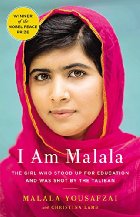
Malala Yousafzai, I am Malala: a fabulous, fabulous book that combines a History 101 of the Peshawar Valley with an account of two extraordinary people, Malala and her father.

I’m not going to list a best five books, but here are six that delighted, challenged and enlightened me, or did that thing of putting into words things I dimly felt or perceived. The images link to my blog entries.

A note on gender and diversity: The Art Student announced proudly that she had read more books by women than by men (as she usually does). I read 25 by women and 32 by men. Up against recent Viva statistics on literary journals on reviews by women or about women writers, I’m doing pretty well. I’ve read 6 books in translation, from Chinese, Japanese, Bengali and Hebrew.

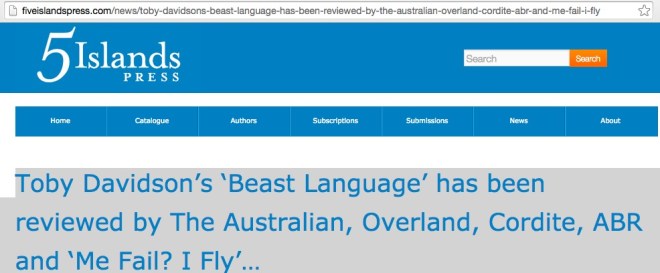
List 3. Best ‘Me Fail I Fly!’–related headline:

5ip

Onward to 2015!

Sonnet month again

It’s November, and once again, while all over the world people with stamina take on NaNoWriMo, I’m setting myself the modest goal of 14 sonnets in the month – LoSoRhyMo (Local Sonnet Rhyming Month). Actually, I’ve discovered that the 14-line form I’m enaoured of, the Onegin Stanza, isn’t a sonnet properly speaking, but I’ll keep the name for the project rather than opting for the even less euphonious LoSoOnStaMo. It’s my blog and words will mean whatever I want them to mean.

To kick off the month, here are some hasty lines about The Butler, Lee (‘Precious’) Daniels’ movie featuring Forest Whitaker (brilliant), Oprah Winfrey (also brilliant) and half a dozen big names in cameos (I especially liked Alan Rickman as Ronald Reagan):

Sonnet 1: A night at the movies
A tiny audience saw The Butler
screened at the Chauvel last night:
a history lesson – I’ve had subtler –
meant for us, as we are white.
Rape, murder, and a double lynching
in living memory, with no flinching
from those in power, and then the fights:
bombs, burning crosses – civil rights,
Panthers, afros, ‘Nam. The lazy
eye of Forest Whitaker, who serves
eight presidents deadpan, observes
with anguish. Though Miss Daisy
would have liked him, here’s the thing:
he wasn’t dissed by Doctor King.

End of year lists 2012

As if it isn’t enough to be shopping and wrapping and cooking and unwrapping and eating and searching for lost dogs and blocking our ears to keep out the piped carols, it’s the season for drawing up Best-Of lists.

The Art Student’s best five movies (with links to the movies’ IMDb pages):

A Separation (Asghar Farhadi 2011): ‘Definitely the best movie this year. We got to see how complex it all is for secular Muslims in Iran.’

Lore (Cate Shortland 2012): ‘Up there with A Separation. You don’t believe you can watch yet another film about Jews and Nazis, yet here it was, original and fresh. I hope it wins an Oscar. I liked Somersault too.’

The Skin I Live In (Pedro Almodóvar 2011): ‘Creepy,’ she said, ‘but good.’

This Must Be the Place (Paolo Sorrentino 2011): ‘I loved the great humour, the art, the spectacular musical event.”

The Sessions (Ben Lewin 2012): ‘I liked having nudity and sex without it being voyeuristic.’

My best five movies, chosen fairly arbitrarily (with arbitrary reason given) from a short list of 19 that included all five of the Art Student’s picks:

Liberal Arts (Josh Radnor 2012) features a main character who walks around the city reading. I identified. It also reminded me of the pleasures of Eric Rohmer movies.

Sing Me the Songs that Say I Love You: A Concert for Kate McGarrigle (Lian Lunson 2012) pips The Sapphires (Wayne Blair 2012) at the post for my musical of the year. It’s a concert movie that invites us into extraordinary intimacy with a brilliantly musical family. Martha Wainwright sings ‘First Born’, which her mother wrote for her brother, and which we played a lot when our firstborn son was being ‘the first to crawl’.

Le Havre (Aki Kaurismäki 2011) made me feel irrationally pleased with myself or recognizing the oddly deadpan directorial style from Drifting Clouds, which I saw and loved decades ago.

The Artist (Michel Hazanavicius 2011) was a moderately enjoyable film until the final moment, which resolved a plot point I had been half-awarely worrying over, and vastly expanded the movie’s meaning.

Weekend (Andrew Haigh 2011): In spite of the phenomenal consumption of alcohol and other drugs, which would normally be enough to put me right off, I loved the unsentimental, unprurient portrayal of two characters who are completely taken with each other, including sexually.

The worst movie: We both picked Sophie Lellouche’s bland, self-indulgent Paris–Manhattan. But don’t take this as a solid judgement on the film as it might have miraculously picked up after the first hour, which is all we could bear. If we had to name a movie we stayed the course for, the Art Student would pick Skyfall, which she just plain hated, and I might have to pick Bernie, because Jack Black’s creepiness and the creepiness of the subject matter were from different universes.

The Art Student’s best books (she wouldn’t be limited to five), listed here in no particular order, with links to my blog entries or the book’s LibraryThing page:

1bmMartin Gayford, A Bigger Message: Conversations with David Hockney (2011): ‘Full of surprises and delights, about the way an artist sees the world.’

090787181XIrfan Orga, Portrait of a Turkish Family (©1950, Eland & Galeri Kayseri 2004): ‘Compellingly tells of the transition from a feudal society to modernity as a result of war. Also wonderful was the insider child’s view of life under the veil.’

20120704-175516.jpgHilary Mantel, Bring Up the Bodies (2012): ‘I’m glad it won the Booker. I’m completely hooked on the story, and looking forward to the third book, although having fallen in love with Cromwell I’m not looking forward to his death.’

1920898581Heather Goodall, From Invasion to Embassy (1996): ‘A must-read for all Australians, especially those who think the dispossession of Aboriginal people all happened in the distant past.’

1ccStephen Gilchrist, editor, Crossing Cultures: The Owen and Wagner Collection of Contemporary Aboriginal Australian Art at the Hood Museum of Art (2012): ‘I’m only half way through this but it’s a great, accessible introduction to the complexity of Australian Indigenous art.’

Edwina Shaw, Thrill Seekers (2012): ‘I read this in one sitting. I couldn’t put it down even though a lot was uncomfortable.’

0007149530Richard Holmes, The Age of Wonder (2008): ‘Fascinating portraits of scientists in the late 18th century, when science and romanticism were closely joined. Particularly good on Banks and the Herschels.’

0670033804Sebastian Barry, The Long Way Home (2005) and On Canaan’s Side (2011): ‘Two completely absorbing novels. The first is probably the best novel of the First World War I’ve read, and the second extends the story to Irish immigration to the USA, and the past catching up with you, written convincingly in the voice of an 80 year old woman.’

My best books, which I’ve kept down to just five by declaring the AS’s list off limits:

20120224-180529Fàbio Moon & Gabriel Bà, Daytripper (2011): A gem of a comic book by twin brothers from Brazil, this is a string of connected short stories that celebrates a human life as a miracle of survival.

Amitav Ghosh, Sea of Poppies (2008): A story of colonial India that manages to be a gripping romance at the same time as blasting any romantic nostalgia for the Raj to oblivion.

Yalata and Oak Valley Communities with Christobel Mattingley, Maralinga, the Anangu Story (2009): it was a toss-up between this and Tohby Riddle’s miraculous Unforgotten for my picture book of the year. This is a different kind of miracle from Tohby’s – it opens a space for a multitude of voices to speak about the lethal indifference to Indigenous Australians on the part of he British atomic test at Maralinga, and about the resilience of the Anangu people.

Ross Gibson, Seven Versions of an Australian Badland (2002): I choose this over Gibson’s brilliant 26 Views of the Starburst World, which was published this year, because the earlier book made me understand something of the colonisation of my North Queensland home that I had read about previously but managed not to grasp.

Jennifer Maiden, Liquid Nitrogen (2012): I read quite a bit of poetry this year. Possibly the major revelation was Byron’s Don Juan, but I haven’t finished reading that, and I might have chosen Liquid Nitrogen anyway, as I feel that Jennifer Maiden’s stories, meditations and dialogues help me to live in the modern world.

A note on the gender balance front: I would have thought my reading was fairly every spread between male and female writers, but numbers don’t cater to wishful thinking. According to my blog statistics, I read 34 books by men and 22 by women.