Deceptive signs

Our new locality is much richer in street art than our old. Here are a couple of signs that made me look twice, and then a third time.

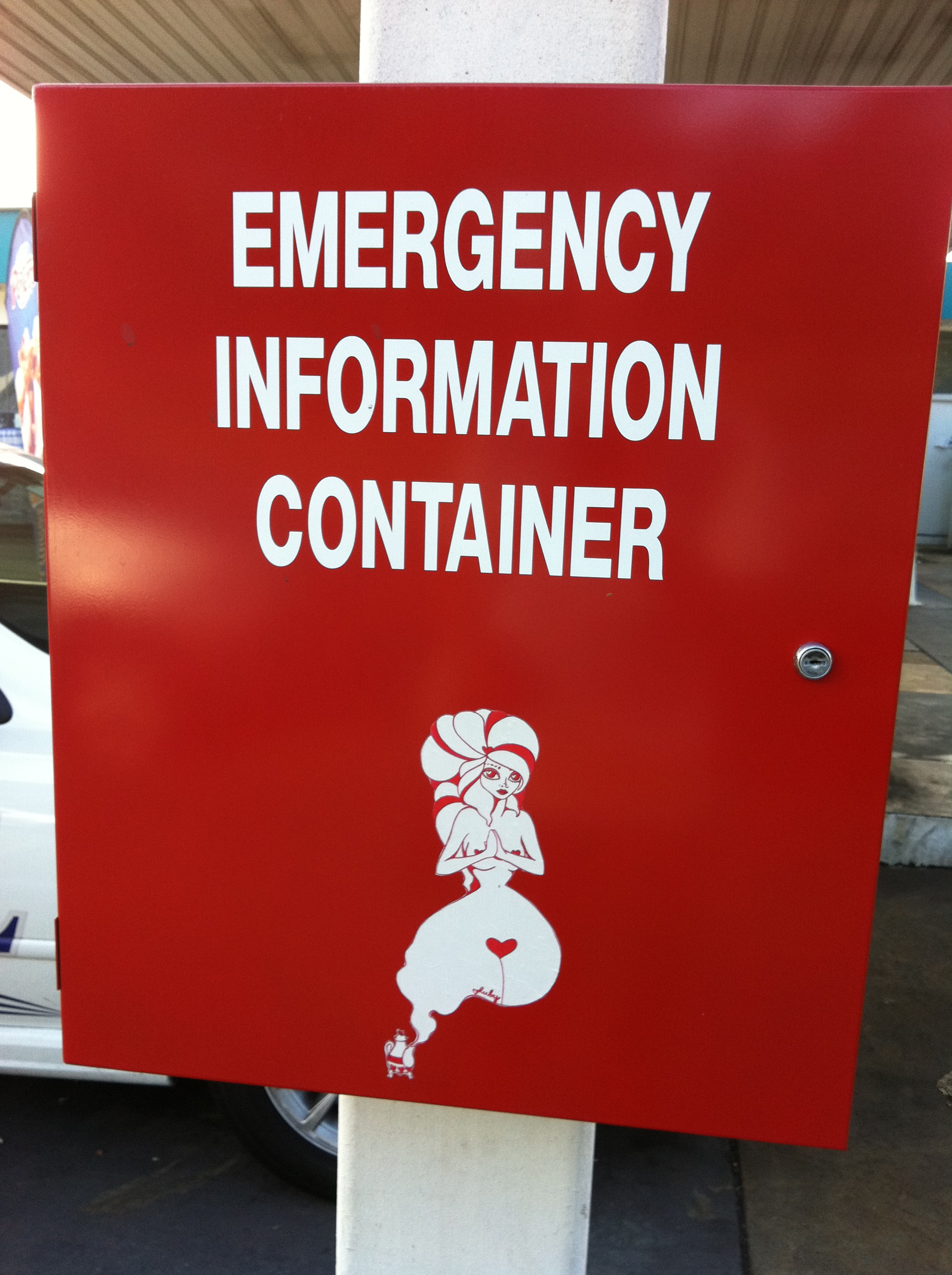
The first is out the front of a service station in Enmore Road.

It took a third look to realise that the erotic genie is actually pasted onto the bright red container, and that the information inside probably has nothing at all to do with magic or heart-shaped female pudenda.

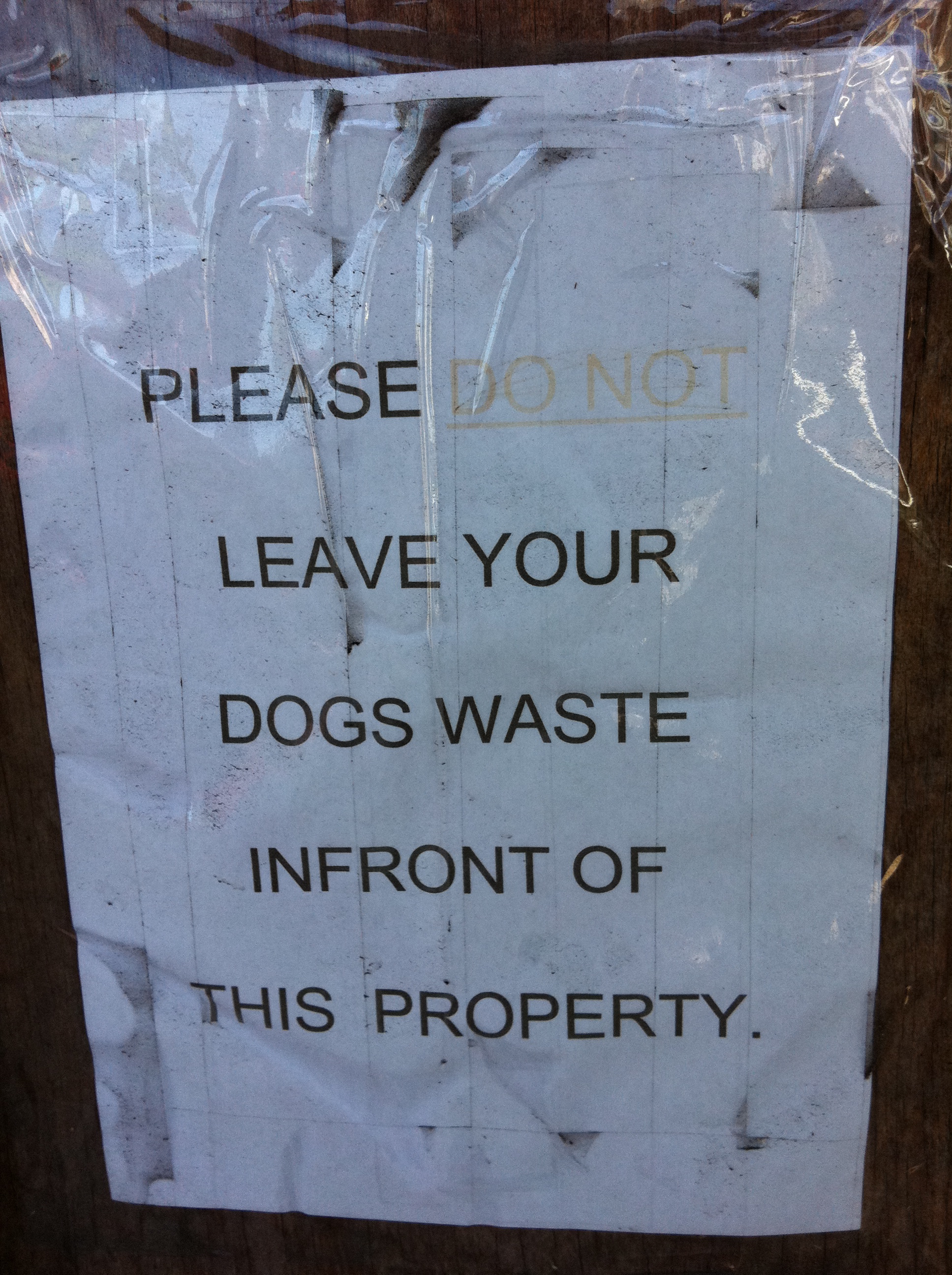
I was drawn to the cool irony of this one until I realised that it wasn’t intended by the sign creator, but a side effect of the different fading rates of different coloured inks.

M-Day plus 4

Three men and a van took our worldly goods from Annandale to Marrickville on Wednesday.

We were very unsystematic about telling our neighbours we were moving – it’s been just one incidental conversation at a time. Mostly people say they’re sorry to see us go, and seem to mean it. One man told me that when he was young and needing move out of his parents’ place, his wife came home one day saying she’d found a place for rent in Marrickville. ‘Marrickville!’ he replied, ‘Why not just go to Redfern?’ Just in case I didn’t get it, he paraphrased: ‘Why stop halfway? Why not go straight to the bottom?’ He went on after a beat, ‘It turned out we had the best two years of our lives there.’ So here we go: on our way to the bottom, or heading for unexpected bliss?

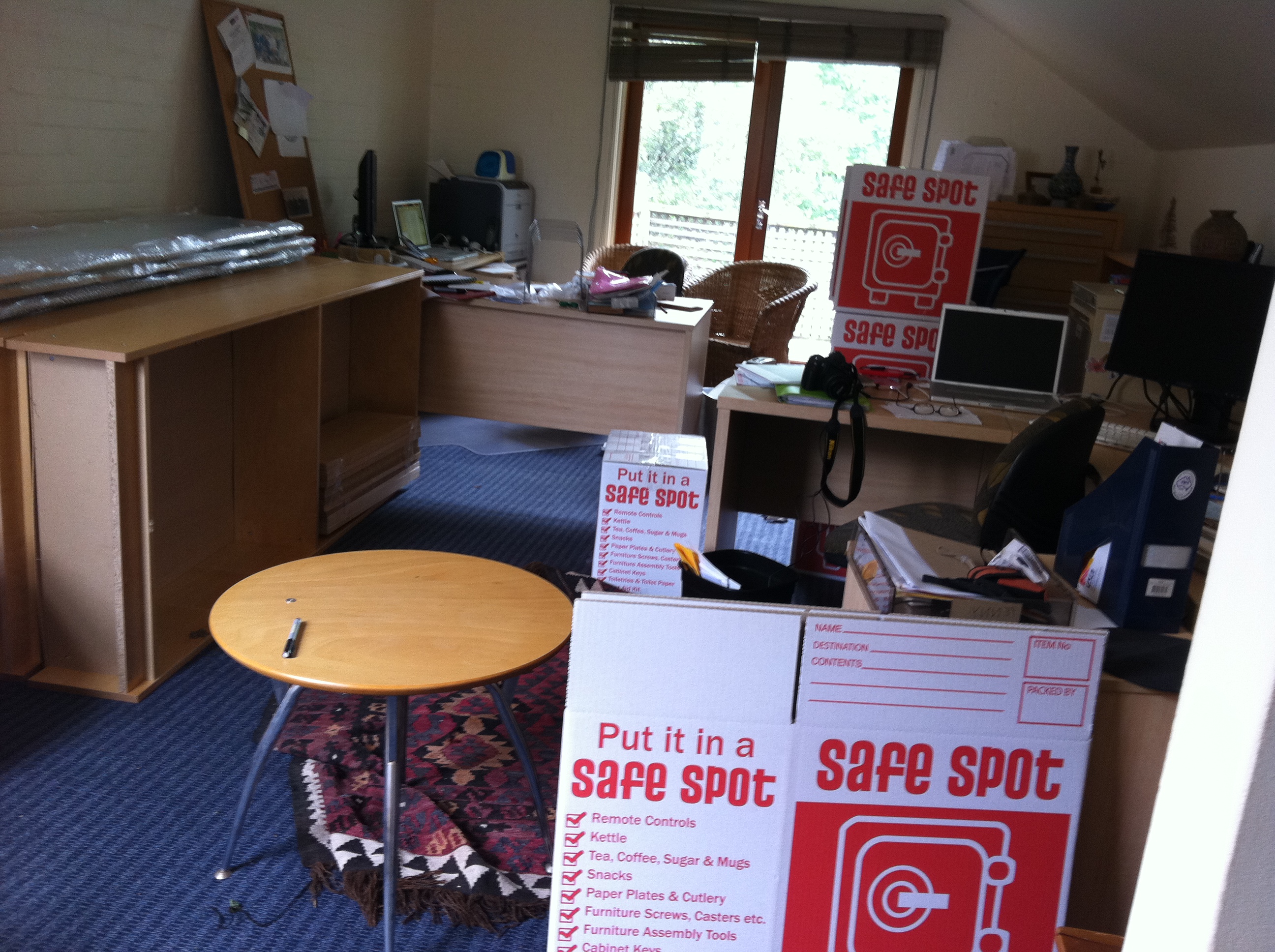
I’m going to need a new masthead image. This isn’t it, but here’s a quick phone snap of what the view above shot had become midmorning Wednesday:

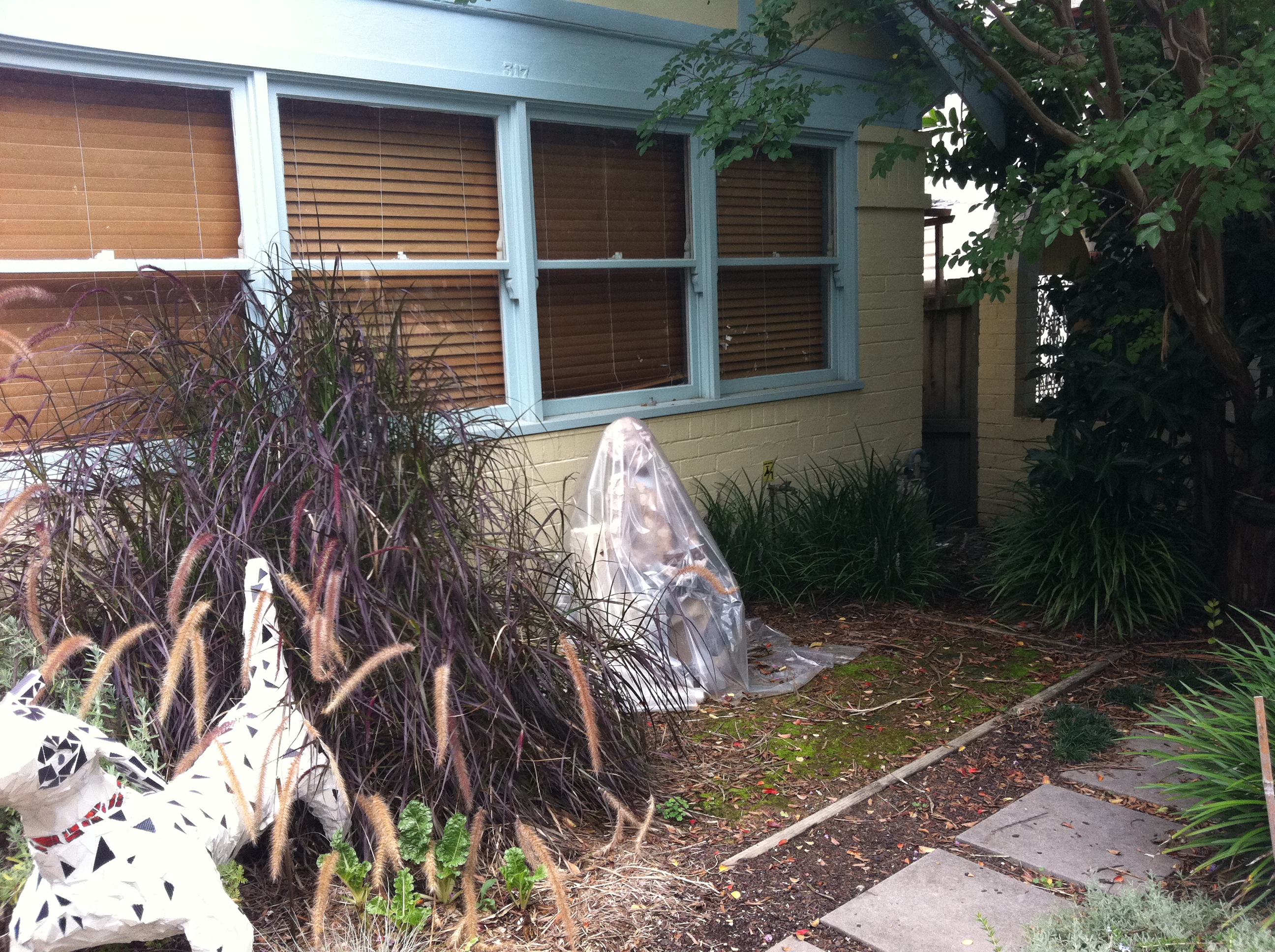
The little man from our front door elected to stay in Annandale as a piece of public art:

The move was no more nightmarish than you’d expect. Nothing broke – though we did discover that a little Balinese soapstone sculpture in the garden had been knocked into the pond by an enthusiastic little dog and lost its head as a result. A dab of glue restored his head and a day in the sun removed most of the swampy smell.

Four days after the event, the new house almost feels like home. We’ve enjoyed the kindness of friends: one made us dinner and brought it around on the evening of the move; three lots of friends who live on this side of Parramatta Road  have just dropped in, a brilliant way to make us feel like part of a neighbourhood. We live much closer to the street here, so I’m entertained by the passing parade as I sit at my desk– many family groups, as the Annette Kellerman Aquatic Centre is close by. Penny’s dog sculpture is now much more obvious to passers-by: a schoolgirl offers her a lick of her iceblock; a small child tells her father, ‘It’s only a pretend dog.’

Gas and electricity are on. Mail and phone redirection are working. The floor has been restumped. Rooms have been painted. The moving boxes have been taken back by the removalists. Halogen down lights have been replaced by vastly expensive LEDs that we’re told will pay for themselves in no time at all. A sp[ace is well on the way to becoming a studio for the Art Student. Pictures are going up on the walls. Books are in bookcases, though will need some re-ordering.  Settlement on our old home, now an empty shell smelling of cleaning products, was scheduled for Friday but because of a bank stuff up will actually happen tomorrow. Last night we walked to the movies in Newtown. We’re being urged by our younger son to have a house warming, and perhaps we will …

Re-enchantment coming soon

No time to blog. No time to catch up with emails. Moving house. All is well. Probably.

I’ve just sat down to my email for the first time in days, and found notice that my friend Sarah’s brilliant, interactive web site, Re-enchantment, is to be launched in March. There’s a three minute trailer on the ABC site. I can’t embed it, sorry, but do click on the link.

The official launch will be at the Adelaide Film Festival at the Palace Cinema on Wednesday 2 March at 5.00pm –  a free event open to the public. The website will go live on the ABC that same day.

The Australian Centre for the Moving Image in Melbourne will host a two-day Re-enchantment Symposium on Thursday 10 and Friday 11 March 2011, called Fairy Tales Re-imagined: From Werewolf to Forbidden Room.

There will be Sydney launch on the evening of Thursday 24 March at the Surry Hills Library.

M-Day minus 4: First mail, last juice

The first item of mail has been delivered at our new address, a parcel containing a copy of Ruth Park’s Harp in the South, from a South Australian BookMoocher, in plenty of time for my next Book Group meeting. Note the artful smudging of personal details in the photo, enabled with minimal fuss by iPhoto.

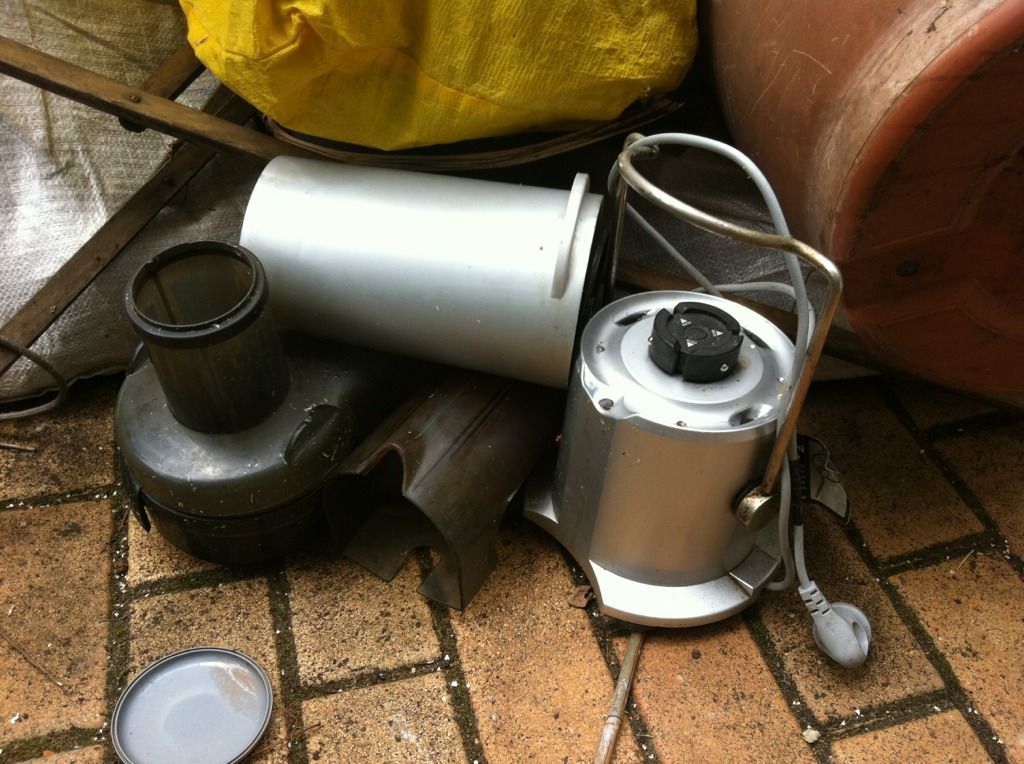
And this morning, after decades of daily service at breakfast time, our  juicer blew its motor and has been consigned without ceremony to the pile of stiff that will be taken away on Monday by 1300RUBBISH.

Mirazozo

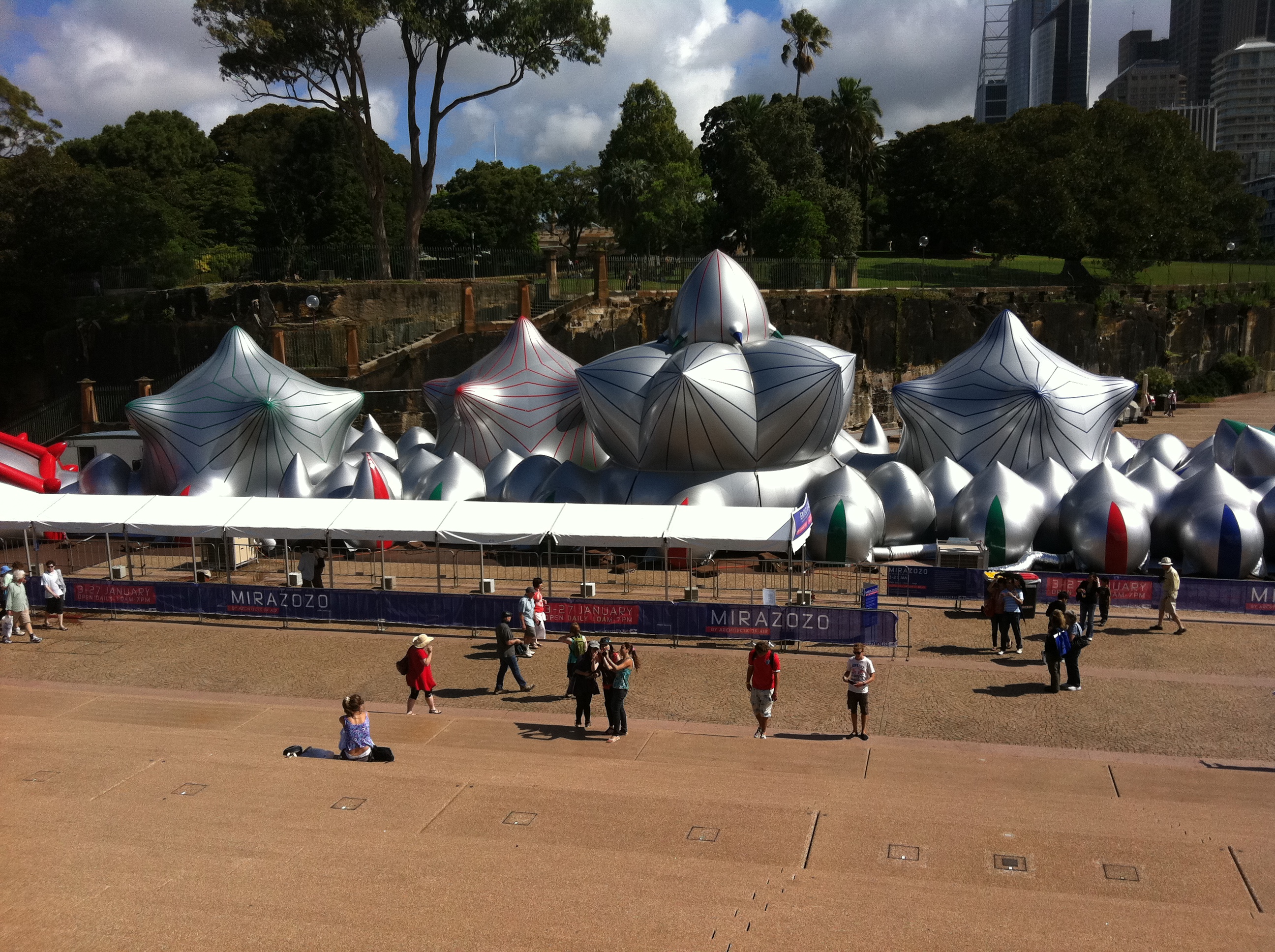
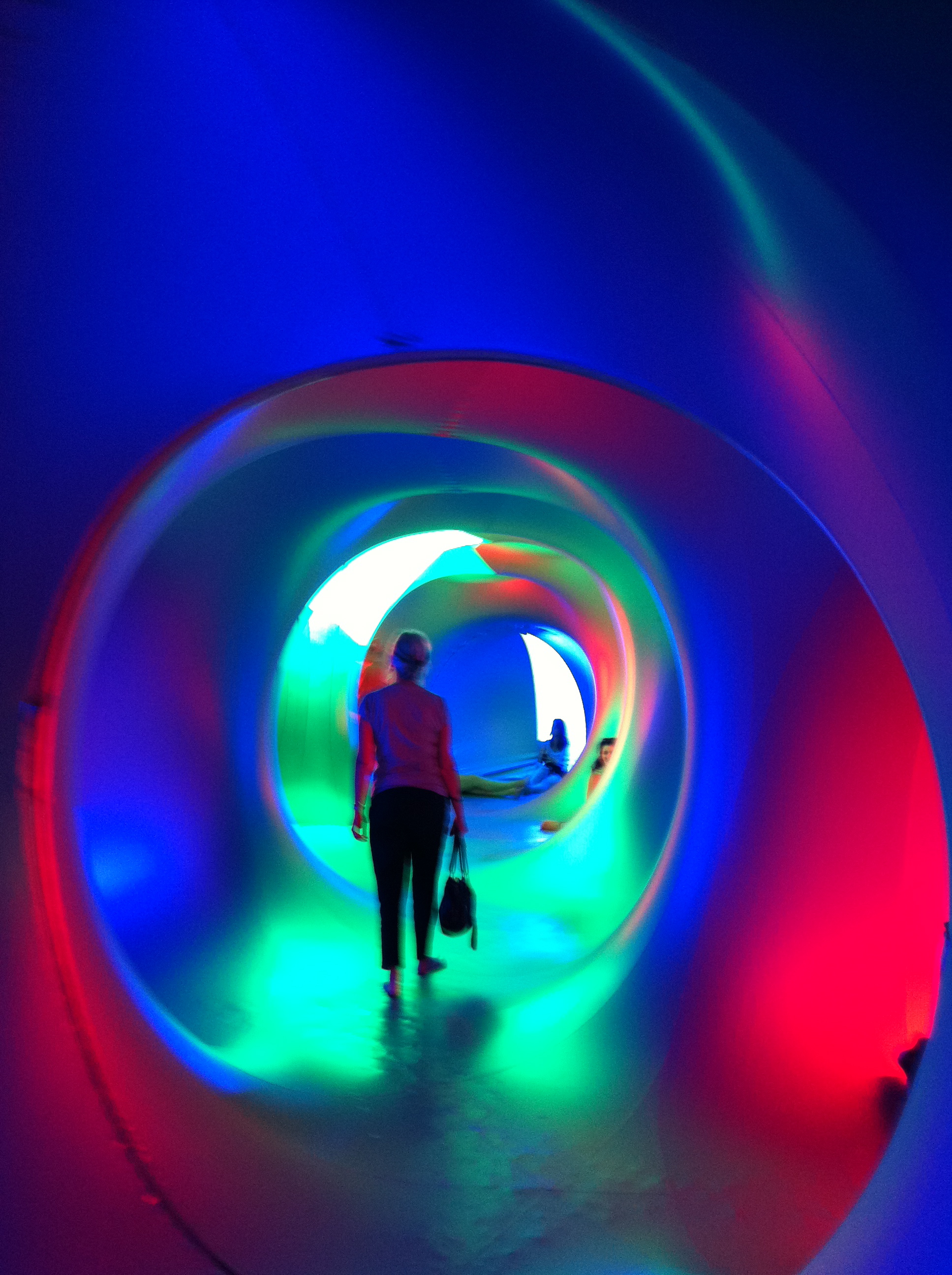
We haven’t seen much of the Sydney Festival this year, but last Friday we  managed to go to see Mirazozo at the Opera House forecourt. It’s an inflated structure, a luminarium, which you can wander about inside for 20 minutes. It only costs $10, or less if you’re in a group of four or more.

M-day minus 6

As we move closer to taking possession of our new house – filling the attic and the kitchen cupboards, we come across little treasures that have been left for us by the lovely people known as The Vendors. There are some small black hexagonal tiles which will come in handy if the bathroom floor suffers serious trauma, several cans of paint clearly marked with the room they belong to, a roll of toilet paper (an act of superb thoughtfulness). And then there are the grace notes: a plastic soldier missing one leg; a dog-suitable tennis ball; and this little putti lyrist on the paling fence:

Eva Hornung’s Dog Boy

Eva Hornung, Dog Boy (Text 2010)
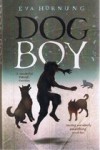
Our species has long been fascinated by stories of human children raised by wild animals , as the Wikipedia page on feral children attests. I don’t have to strain my memory muscle too hard to come up with (in order of my encountering them) Mowgli, Romulus and Remus, Truffaut’s L’enfant sauvage, and the ‘wolf girls’ Amala and Kamala (about whom we published a story in the School Magazine, not realising the whole story was made up to raise funds for an Indian orphanage). Dog Boy tells one of those stories, and evokes that fascination brilliantly.

On page 15 Eva Hornung gets explicit about the challenge she has taken on:

And so it was, trotting with three dogs through ordinary lanes, past ordinary tenements, past ordinary lives, a lone boy crossed a border that is, usually, impassable – not even imaginable.

The stories of feral children I’ve encountered (add to the list above the Werner Herzog movie about Kaspar Hauser, and Louis Nowra’s first play, Inner Voices, and wasn’t there a Peter Handke play as well?) focus on what happens when the child returns to human society, and chronicle the process of learning, or failing to learn, how to be human. I don’t think I’m giving anything away to say that  this book pretty much ends where those stories start. I was given it as a Christmas present with a card suggesting it might help me get in touch with my animal nature. Certainly it was a wonderful book to read while walking a couple of dogs: Eva Hornung may have done extensive research on the ethology of feral dog clans, but it’s very obvious that she has also had intensive personal experience with dogs. There’s a lot I could say about the way the book explores what it is to be human, our relationship with other species, especially dogs,  parenthood, love, post-Soviet Russia (the story unfolds mostly in the devastated outer suburbs of Moscow) and so on. But its power is in the way it takes us into the smelling, scratching, snarling world of doghood, as experienced by a small boy who comes to think of himself as a dog but never completely loses his sense of difference.

It’s tremendously moving. There are some major shifts in the narrative, all of which I resisted crankily at first and each of which led me to unexpected places. If my heart has segments, then the book moved systematically through a number of them, and pulled hard at each in turn. Even when, quite a way in, the narrative leaves the dogs’ perspective for a time and actually names some of the story’s precedents, including some listed in my first paragraph, in a kind of metatextual play, the spell isn’t broken. Tightened, if anything.

If, as I do, you ‘accidentally’ skip to the end and read the last sentence, you may think you know how the story ends. Don’t read the second last sentence.

Now, back to packing up the house, carefully not stepping on the dog who is clearly very disturbed by the growing chaos.

M-Day minus 8

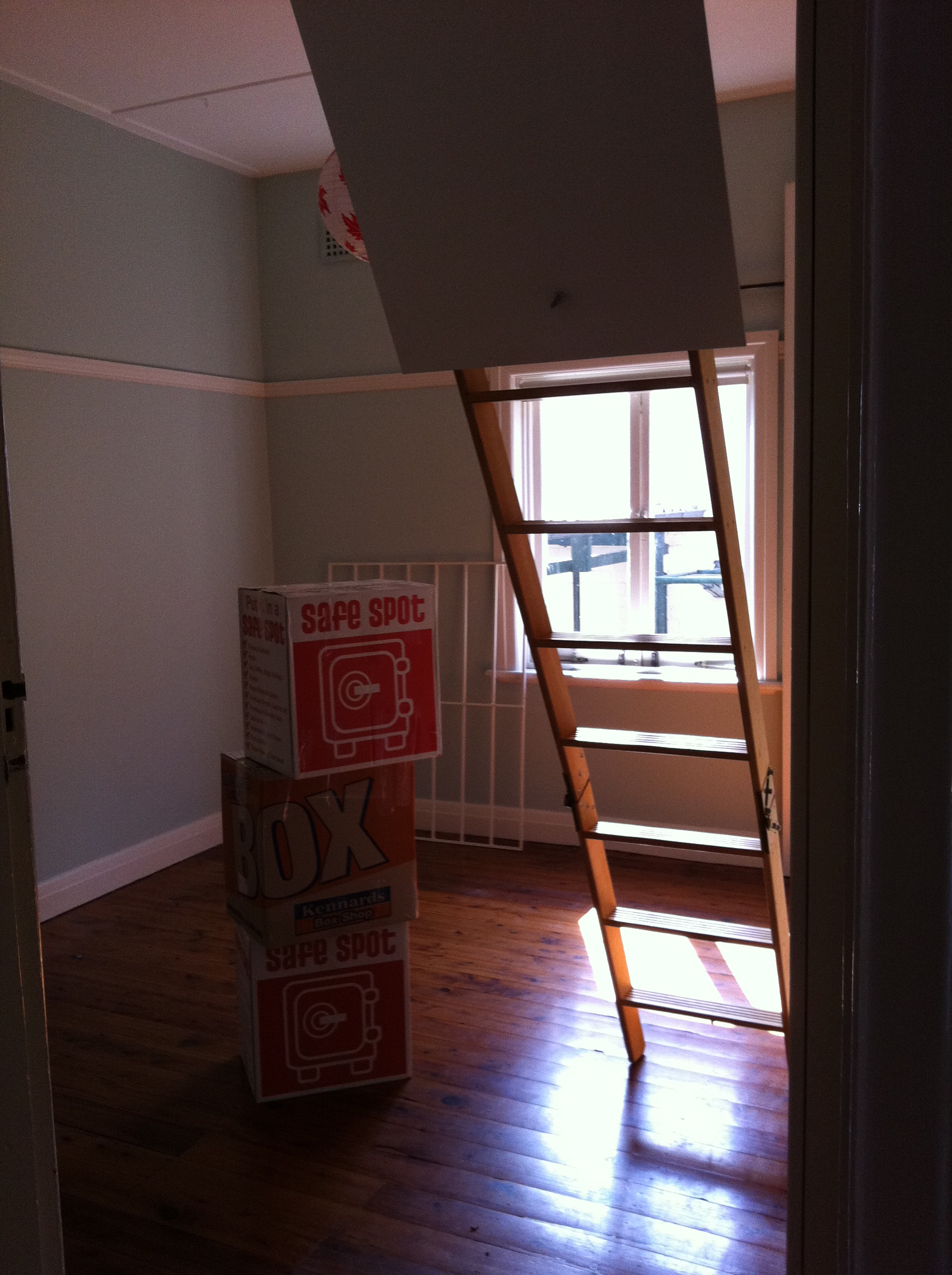
One house gets itself into boxes. The other lies in wait.

‘We live together or we die together’

Have a look at this:

Thousands of Muslims honored a promise made by their leaders and showed up at Christmas Mass or at candlelight vigils outside Egyptian churches on Friday, offering their bodies as human shields against any acts of terrorists. The observances were tense, in view of the New Year’s Day bombing of a cathedral in Alexandria, which killed 21. The Egyptian Coptic Orthodox Church celebrates Christmas on January 7. Among those Muslims making this statement was beloved comedian Adil Imam. Since the 1990s Imam has been active in combating radicalism, memorably in his film “Kebab and Terrorism” (Kebab wa Irhab).

Thanks to Patrick Nielsen Hayden.

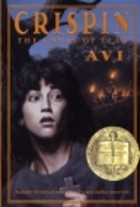
Crispin: The Cross of Lead

Avi, Crispin: the Cross of Lead (Scholastic 2002)

Moving house is supposed to be one of the most stressful things you can do. It certainly claims a lot of attention, and I thought perhaps a mediaeval adventure for young readers would be an appropriately diverting read. Crispin: The Cross of Lead turned out to be just the ticket – it’s straightforward but intelligent, with enough authenticating detail, political savvy and period vocabulary (I’m familiar with terce, sext and none, can guess what a glaive is, and had to look up mazer) to be interesting.

The 13 year old hero – ‘Asta’s son’ – doesn’t even know his own name at the start of the book. He and his mother have been outcasts in their small village, and now that his mother has died he is almost completely alone in the world. Things get rapidly worse. For reasons he doesn’t understand his life is threatened, and he flees the village that is all he has ever known. He is taken under the wing of a traveling juggler who turns out, of course, to be more than he seems, and we get an age-appropriate taste of the kind of 14th century European politics that informed Umberto Eco’s Name of the Rose. There’s a twist involving the young hero’s identity that you might be able to guess even from that wispy outline, and would be unsurprising to most of the 10 to 12 year old target readership (a phrase that always reminds me of a Tohby Riddle cartoon where a cheerful adult is taking aim at the head of a small child with a book that’s about to become a projectile). The final scenes are awfully implausible, in way that suggests a tight deadline was being met, but that wasn’t enough to take away from my enjoyment of the book as a whole.

If you don’t know Avi’s work (evidently that’s not a pen name, but the name he was given by his sister when he was small it’s the only one he uses now in his early seventies), I’d recommend starting with The True Confessions of Charlotte Doyle, in which another 13 year old has equally implausible but wonderfully swashbuckling adventures on the high seas in the early 19th century.