Irfan Orga’s Portrait of his Turkish Family

Irfan Orga, Portrait of a Turkish Family (©1950, Eland & Galeri Kayseri 2004)
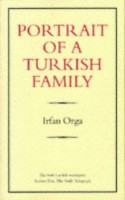
This was my letting-go-of-Turkey read. We bought it at Galeri Kayseri English Bookshop right next door to the McDonalds within shouting distance of the Blue Mosque and Aya Sofya. Evidently the Galeri Kayseri had decided it was ideal for tourists wanting to read an Istanbul story, as there were big piles of it near the counter. They were right.

It’s a memoir. Irfan Orga was born in 1908 into a wealthy family in Istanbul, then the capital of the Ottoman Empire. His mother, a great beauty who had married at 13, hardly ever went out into the world, and when she did she went veiled and chaperoned. His grandmother was the dominant personality of the household, and of the whole neighbourhood – an early chapter gives a richly comic account of five year old Irfan accompanying her on a trip to the Turkish baths.  The family lived a blissfully entitled life within sight and sound of the Sea of Marmora (as he spells it) until the First World War, when Irfan’s father, previously a successful businessman, was conscripted and killed. That, plus a fire that destroyed the family house and all their savings, completely overturned the family’s fortunes, and what follows is a chronicle of terrible poverty and struggle. Nobody and no relationship emerges from the years of struggle unscathed, and the final scenes between Irfan and his mother are devastating.

Meanwhile, Turkey itself was going through major upheaval: poverty was widespread, the Ottoman empire was defeated and in disarray, and by 1923 Kemal Atatürk had led the revolutionary forces to establish the Turkish Republic. The fez was banned and the introduced hat, seen by many as offensively Christian, led to violence in the streets. (Incidentally, I was in Turkey in the summer and don’t remember seeing a single Turkish man wearing a western hat, which makes me wonder about the success of Atatürk’s cultural change.) When Irfan’s mother went out alone and unveiled, boys threw stones at her in the street. One day, in Ottoman Turkey, school students were beaten for arriving late at prayers; a few days later, in the secular Turkish Republic, the few who remained devout were likely to be beaten because prayers made them late for class.

The story of this family is heartbreaking, and though there is much hilarity and some high melodrama, the general trend is towards devastation and disintegration. Not that there’s any nostalgia for the days of the Ottomans, but the human cost of the radical changes – political, cultural and economic – that happened in Turkey between 1914 and 1940 is made painfully real. An afterword by the author’s son, Artes Orga, in 1988 makes it clear that the pain continued for the rest of his life. (He formed a liaison with a non-Turkish woman, whom he eventually married, and as this was somehow illegal he lived in exile, raising his son in a kind of cocoon of Turkishness in London. This book was a big hit, but he never really prospered or found contentment.)

I find it hard to think how a book could be better at giving a reader a way of getting behind the cheerful tourist façade of the old city of Istanbul. Reading it, you become aware of the ghosts of women behind the latticed windows of those old wooden houses latticework, hiding from the gaze of the street. You get that the muezzin calls were once the unamplified sound of human voices. You realise that today’s sleek, crowded trams are luxurious compared to the rattling, swaying ones of yore. And you realise that the prosperity of modern Turkey, and for that matter the modernity of Turkey, didn’t fall as a gift from the sky.
My trip to Turkey PS: Rome

We had slightly less than 48 hours in Rome on our way home from Turkey, just long enough to catch up with our dear friend Anny, visit the Maxii gallery and catch the exhibition from the Papal archives that’s on at the Capitoline Museums.

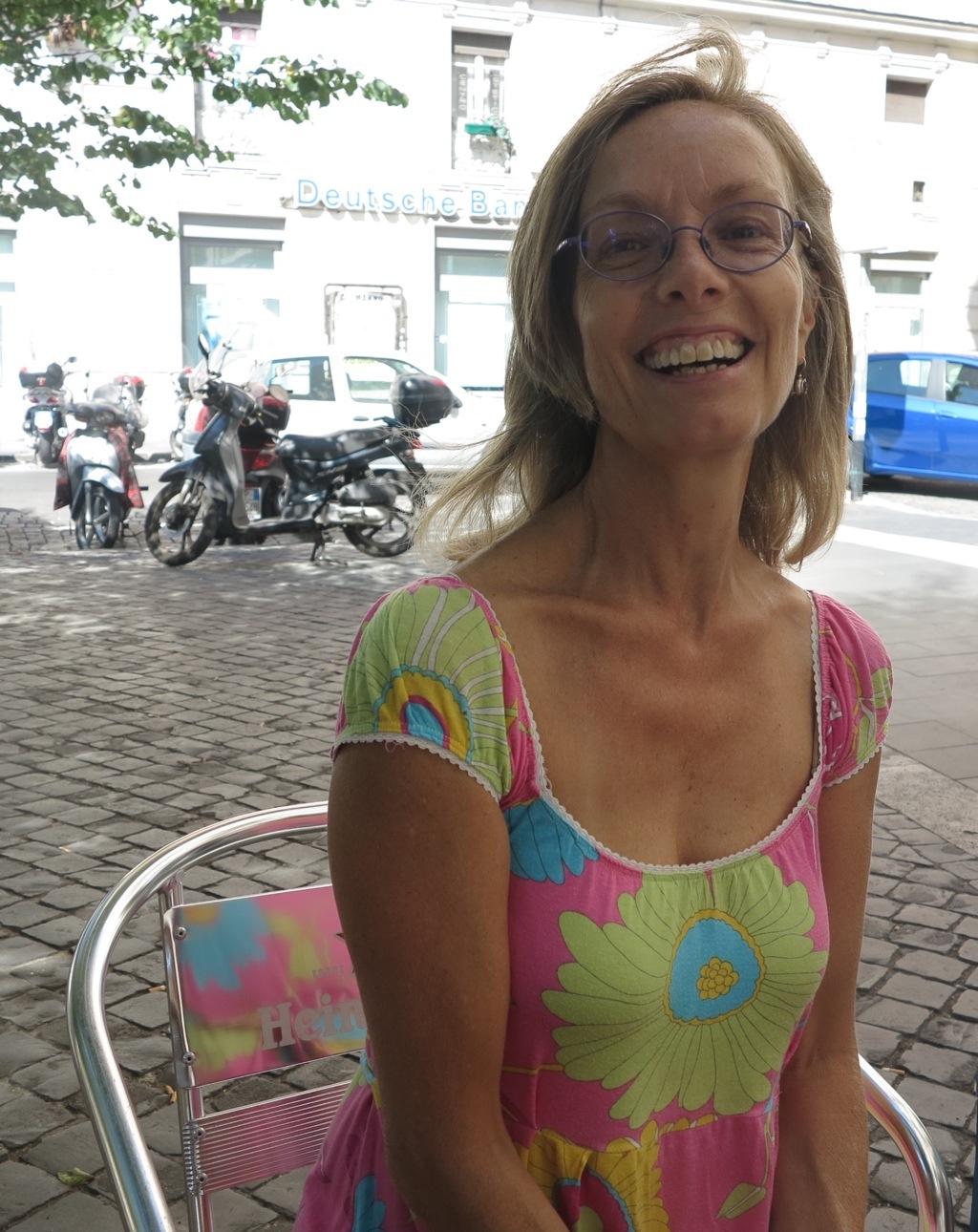
Anny had come down from her home in Florence to have dinner with us on Friday (our plane landed at 7.30 but it was nine o’clock by the time we met her at our hotel, and one in the morning by the time we said goodnight. We met up again to stroll along Via Cola Di Rienzo on Saturday morning, she had to catch the train back north for a Nora Jones concert that night. It was, as Anny said to an Italian friend on her mobile, ‘come si dice, Memory Lane‘. It was also a chance to hear her beautiful, lilting Italian as she did the honours with waiters, bus ticket sellers, and shop assistants.

20120715-152409.jpg

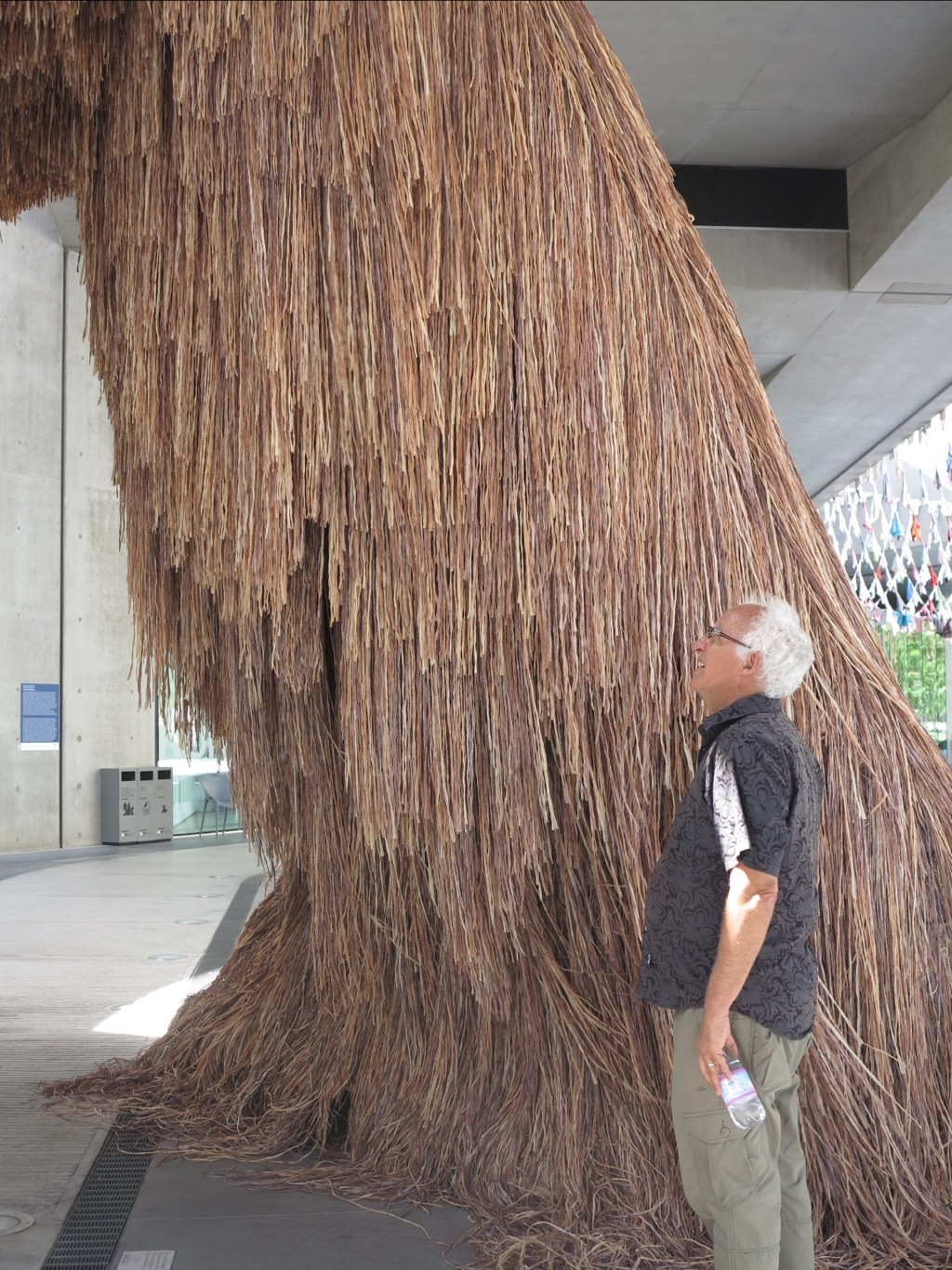
Later in the afternoon, on our own again, we made our way to Maxii, a contemporary art museum, where there this wonderful creation loomed outside the main entrance.

20120715-152507.jpg

Inside, the building was intriguingly maze-like with ramps and mezzanines and bridgeways, but I was unmoved and/or mystified by most of what I saw, the main exception being an exhibition of photographs by Paola de Pietri. These were gorgeous images of landscapes along a European border, of places – according to the curatorial statement – where there had been bitter fighting in the First World War: trenches worn smooth and partly filled with snow, others like scars near the crest of a hill, bunkers that could have been the remains of ancient shepherds’ huts, stony terrain, peaceful meadows. The impact was huge.

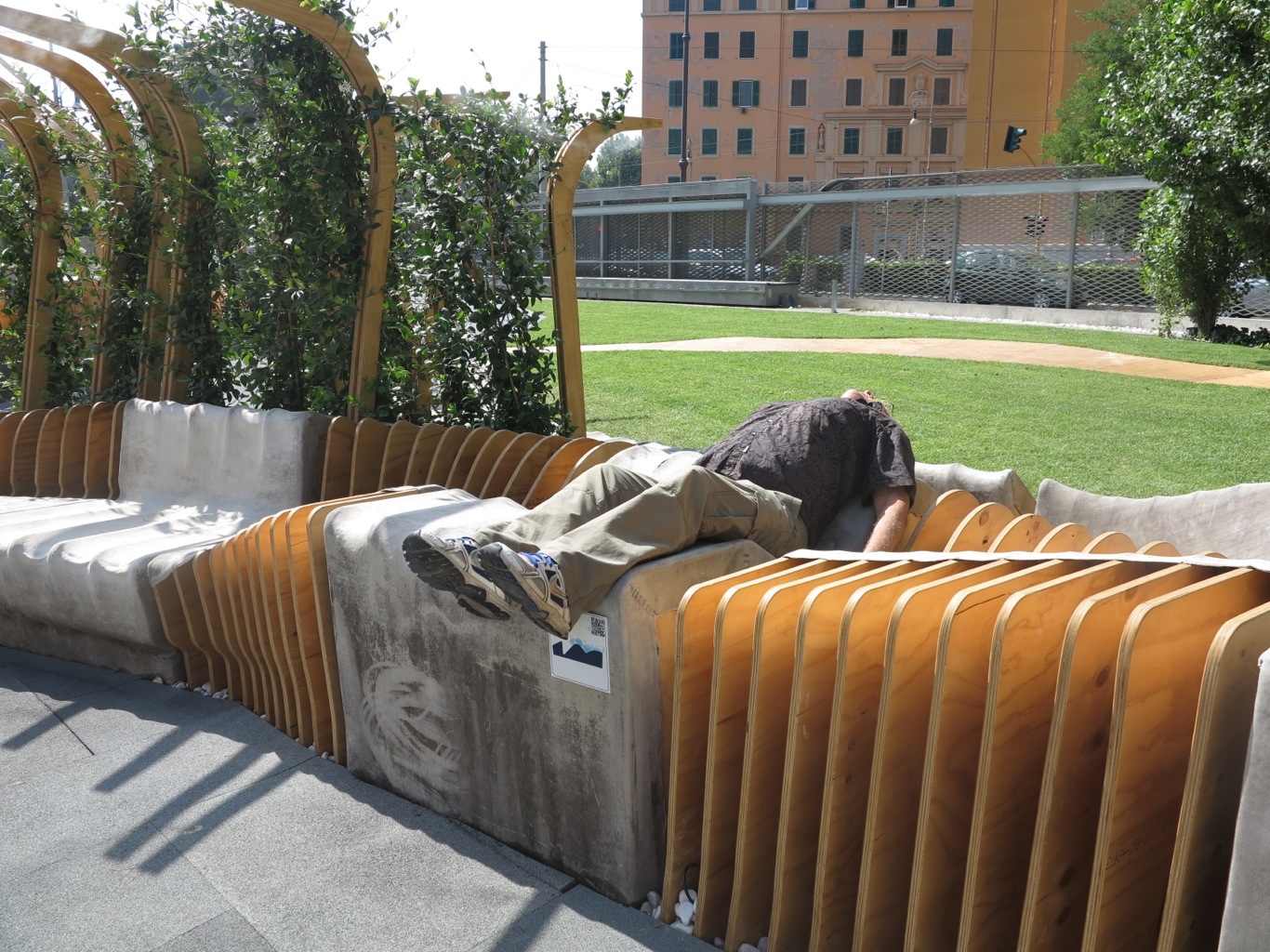
There was a beautiful presentation about a competition for young designers to make use of an area at the front of the museum. Each set of finalists discussed their project in larger than life video, while a written account of it scrolled down the wall, and a model and drawings could be perished at leisure. An even larger video showed the massive works involved in constructing the winning project. We ventured out to experience the finished thing. There were many seats made from slotted ply and cement, made to accommodate the human form in a variety of postures indicated by tiny ideograms. Sadly, whichever posture you chose, the seats were intolerably uncomfortable. I gather it’s not the first time a design competition has been won by something totally impractical.

20120715-152527.jpg

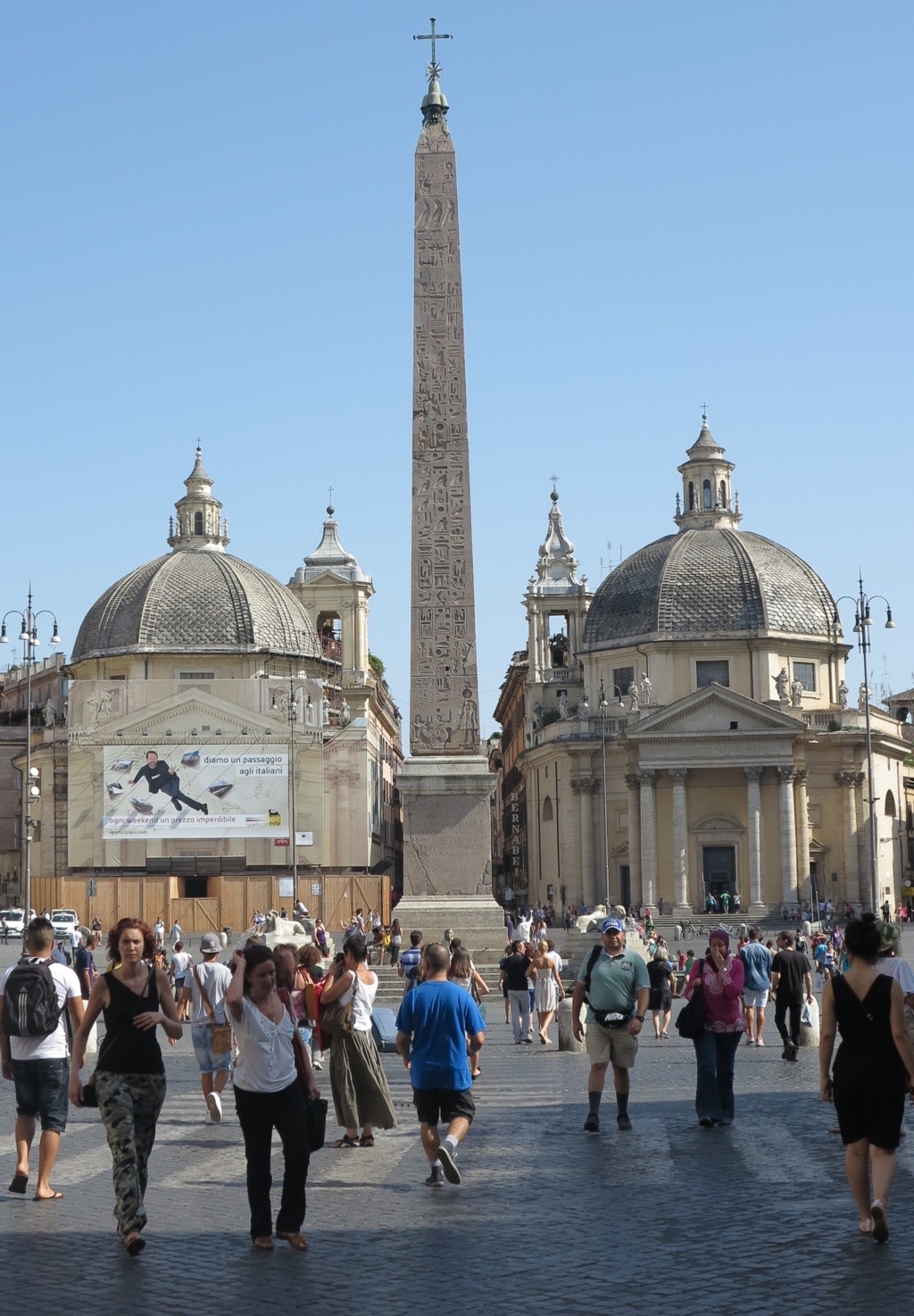
This being Rome, we passed the odd antiquity and renaissance grandiosity on the way home.

20120715-152438.jpg

At dinner time we walked to a little trattoria around the corner by way of St Peter’s square.

Sunday morning we walked – by way of Piazzo Navona, the statue of Pasquino, Campo Dei Fiori with its looming statue of Giordano Bruno who was burned there, and a caffe where no one could tell us how to get to the Musei Capitolini (‘Non lo so! Sono di San Giovanni, io) – to the Vatican archives exhibition.

Bernadette Soubirous wrote to one pope in a tiny neat handwriting, wishing him a holy life. Voltaire wrote to another congratulating him on his excellent Latin. A couple of popes wrote decrees establishing themselves as the supreme power on earth. A community of Native American Catholics wrote to the pope of their time. A Moroccan ruler wrote asking the pope to appoint a decent man to replace a recently deceased archbishop. More than one decree was issued ending the schism between the Roman Church and the Greek Orthodox Church. All of these documents were filed away in the Vatican archives, and all are among the hundreds of items on display.

There is a huge scroll, of which about four meters are exposed, containing the evidence taken against the Knights Templar. There’s a sizeable piece of paper beseeching the pope of the time to allow Henry VIII’s marriage to his first wife to be annulled, and hanging from the paper on leather thongs are the seals of the members of the House of Lords, at least fifty of them and every one elaborate. Photography was forbidden and there were no postcards. I gnash my teeth.

We had a quick look down on the forum below the Capitoline hill, a quick pasta lunch, a quick moment of respite from the heat at our hotel, then we were off to the airport. I’m typing this on the plane from Frankfurt to Singapore. The holiday is all but over.

Hilary Mantel brings up the bodies

Hilary Mantel, Bring up the Bodies (Fourth Estate 2112)

20120704-175516.jpg I’m probably the only person of my generation whose grasp of what it was like to live in the courts of the Tudors comes mainly from an article written for The School Magazine by award winning children’s novelist and occasional commenter on this blog, Cassandra Golds. ‘The Princess in the Tower’ focused on Elizabeth, imprisoned during the reign of her half sister Mary, but there’s a memorable paragraph . It likens the court to a jungle where elegant people circled each other like wild beasts, seeking the advantage. Sadly, I’m writing this far from home, so can’t give you a quote. (Cassandra, if you read this, maybe you could add one in the comments section?) [Added later: Cassandra has commented with the passage which is even more apposite than I had remembered. Thanks, Cassandra.]

Even more than Wolf Hall, to which it’s a sequel, Bring up the Bodies validates that image in its portrayal of the court of Henry VIII. But at its heart there’s Thomas Cromwell, no wild beast but a methodical tactician, serving the king and good of the kingdom, receiving insults with apparent stolidity but forgetting nothing, keeping his own counsel, taming some beasts and destroying others.

I was reading this in a cafe in Goreme in Cappadocia, when an Australian woman (the cafe offered a decent flat white, much sought after by Australian coffee drinkers) called from several tables away.

Australian flat-white-drinking woman: ‘How are you finding that? I loved Wolf Hall but I found that one a bit hard to get into.’
Me: I’m loving it. I think it’s miraculous the way she gets right inside the minds of people from that time.
Australian flat-white-drinking woman’s grey-haired male companion: it’s all in the mind.
Me: Um, yes.
AFWDWGHMC: It’s past lives.
Me: Oh, you think Hilary Mantel was there in a past life.
AFWDWGHMC: Not just her, everybody.
Me: Well, that’s a conversation stopper if ever I heard one. (I didn’t say that, I just wish I had.)
AFWDWGH: She’s written another book, you know, a nonfiction book called Anne Boleyn, Witch.

So there you are. If anything was going to make me believe in past lives, it might well be this book. And if Hilary Mantel has written that nonfiction book, I wish she had spent the time on the next novel about Cromwell. It’s not that I want to see him get his comeuppance, as of course he will. I just want more of him. And I worry about his sweet, naive son Gregory.

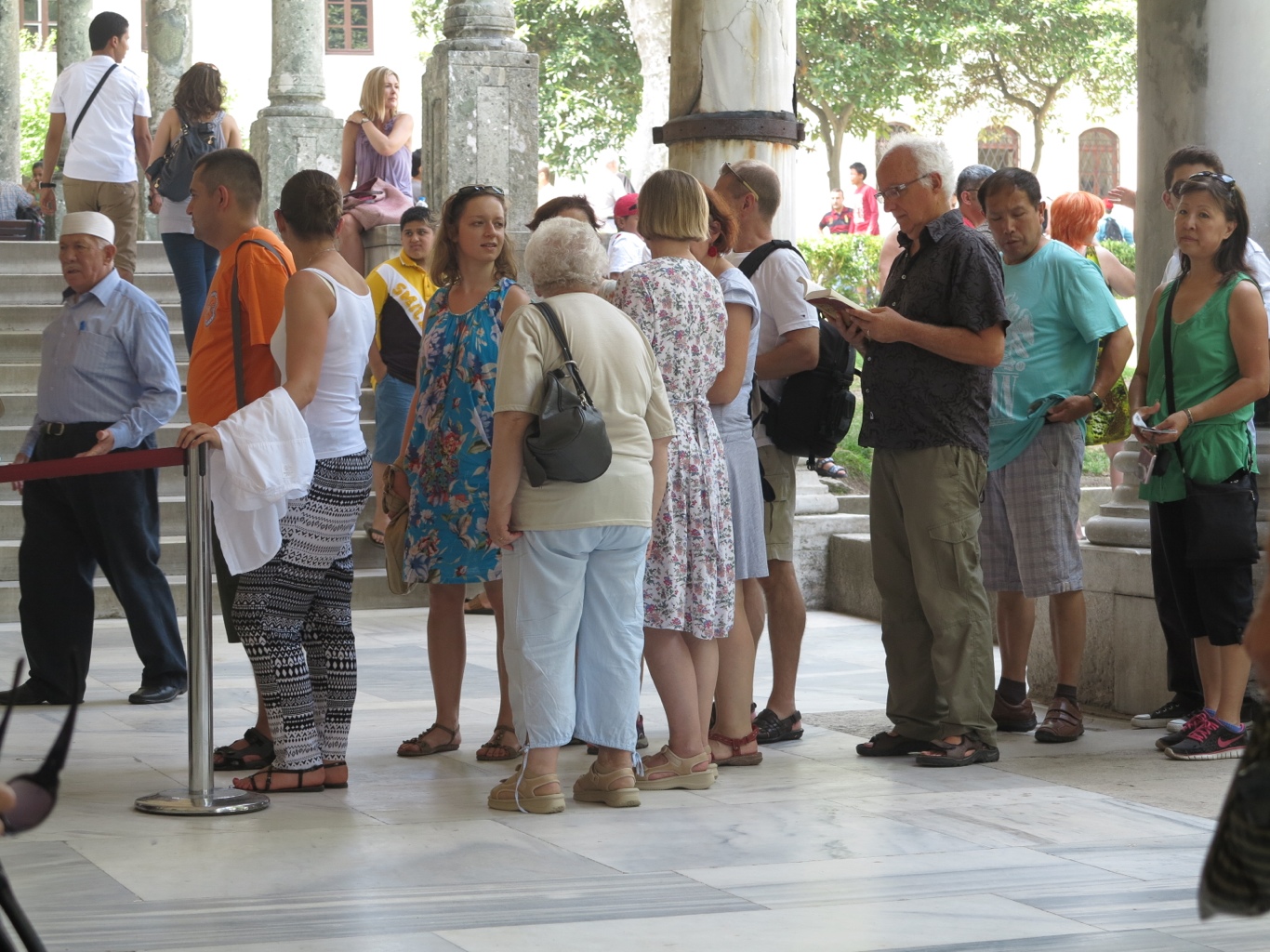
PS: I read this in Turkey, among relics of rulers at least as much at the mercy of their whims as Henry Tudor. I wonder how English history might have gone if Henry could have had a harem. Surely if he had four wives at a time the need to have a son might have been less desperate. Mostly I didn’t take the book on outings, preferring to take thinner volumes. But here I am, reading it in the queue to see the treasures in Topkapi Palace.

20120715-133643.jpg

Tourist fashion in Istanbul

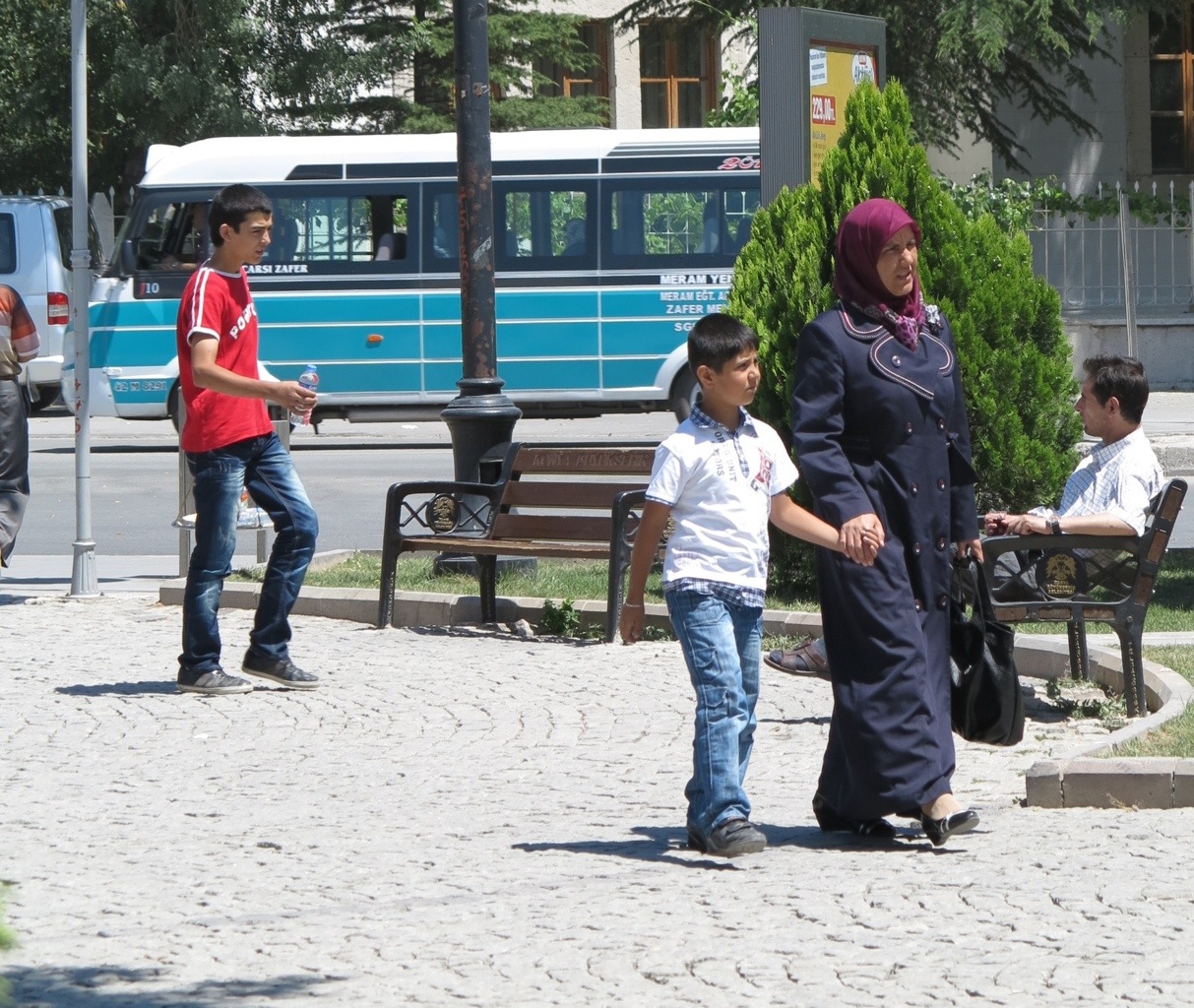
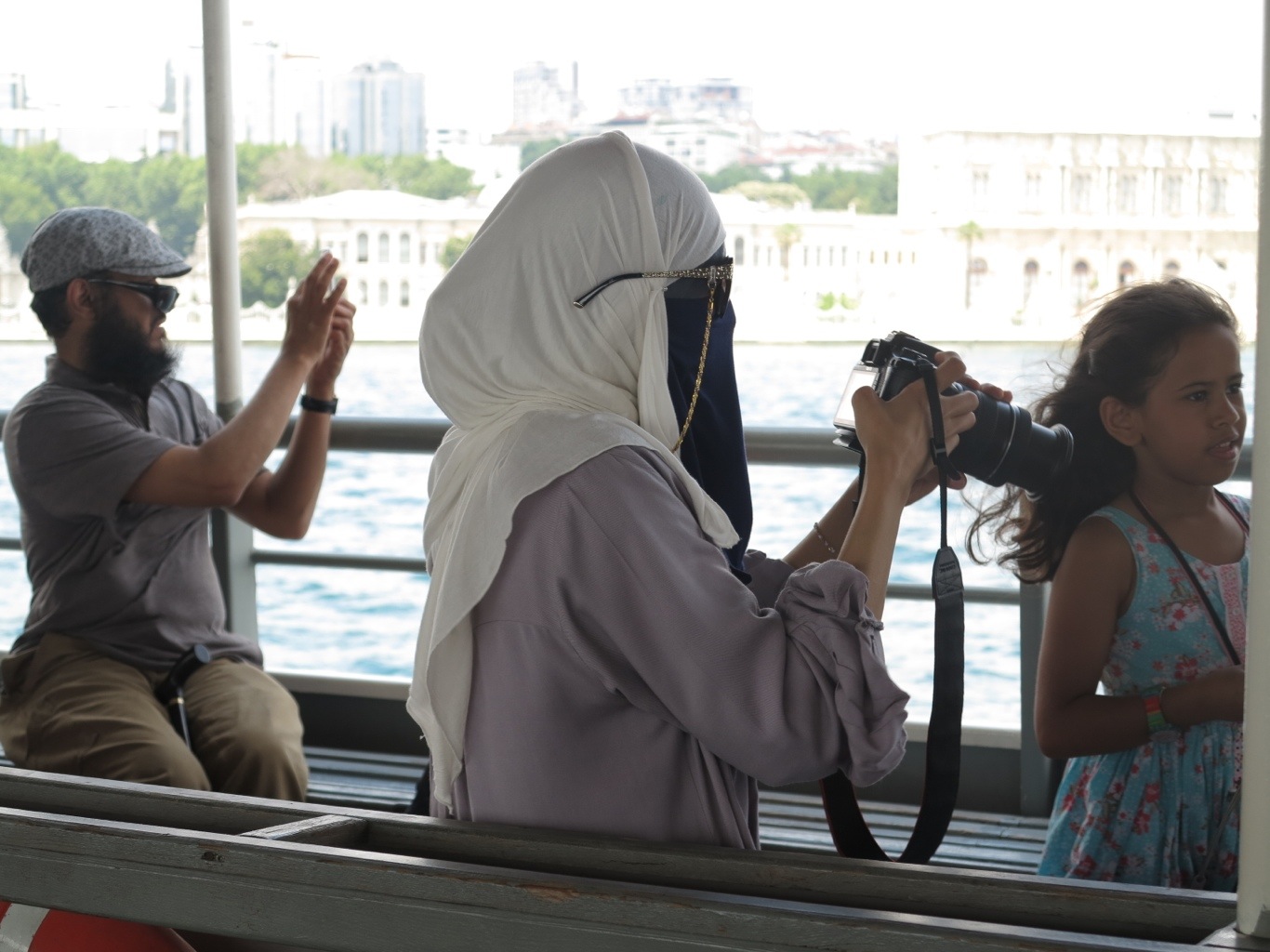
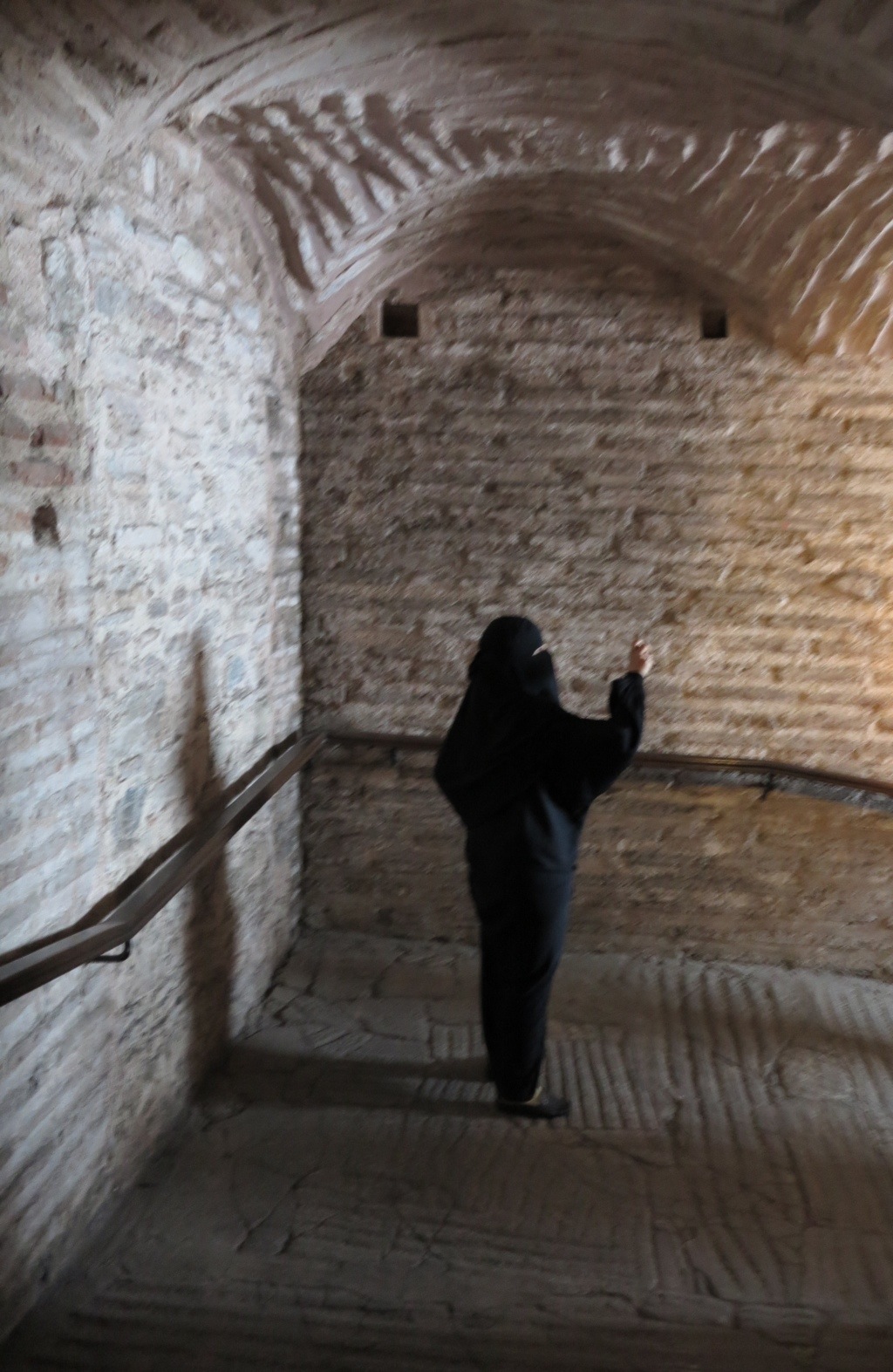
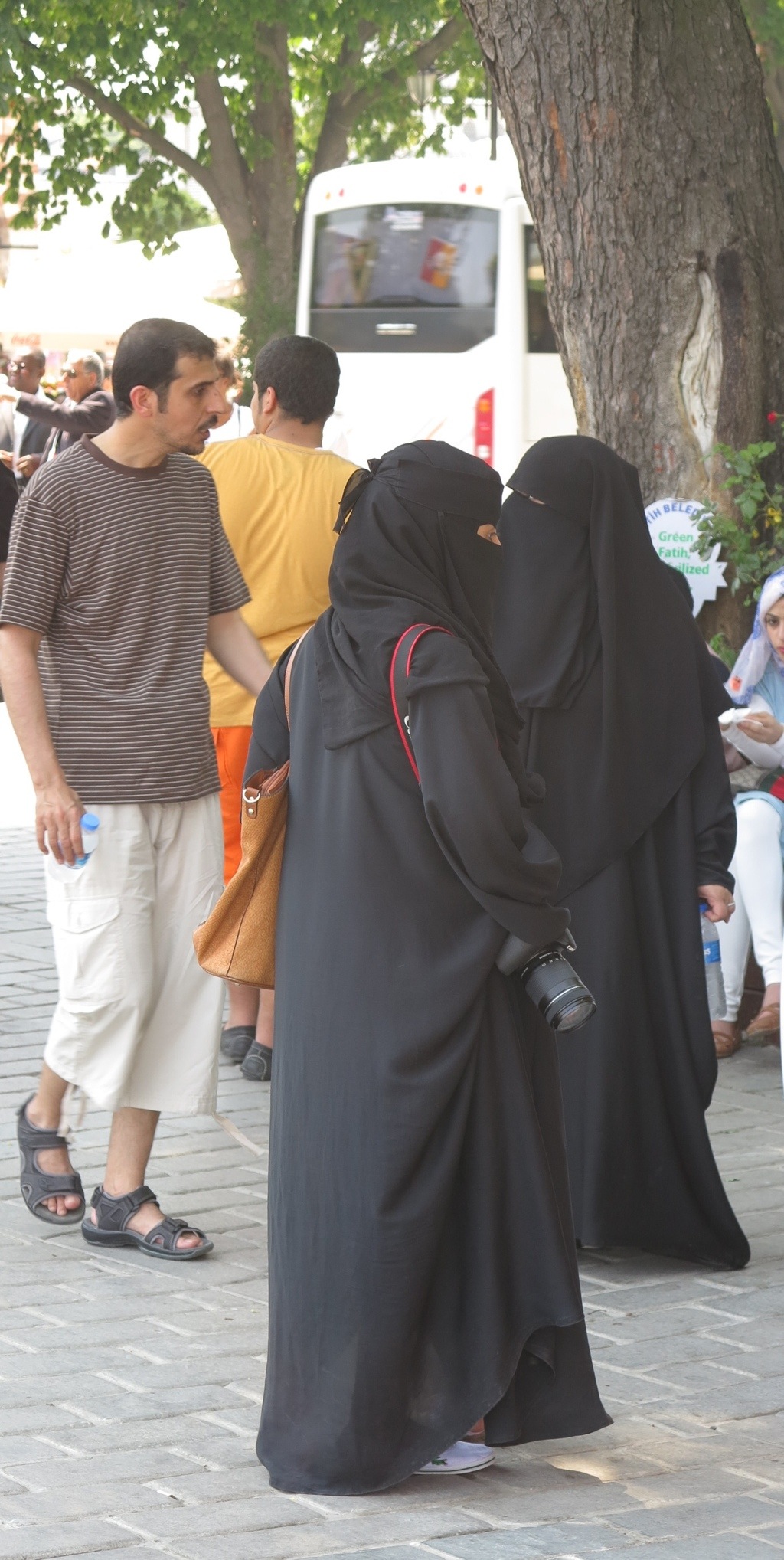
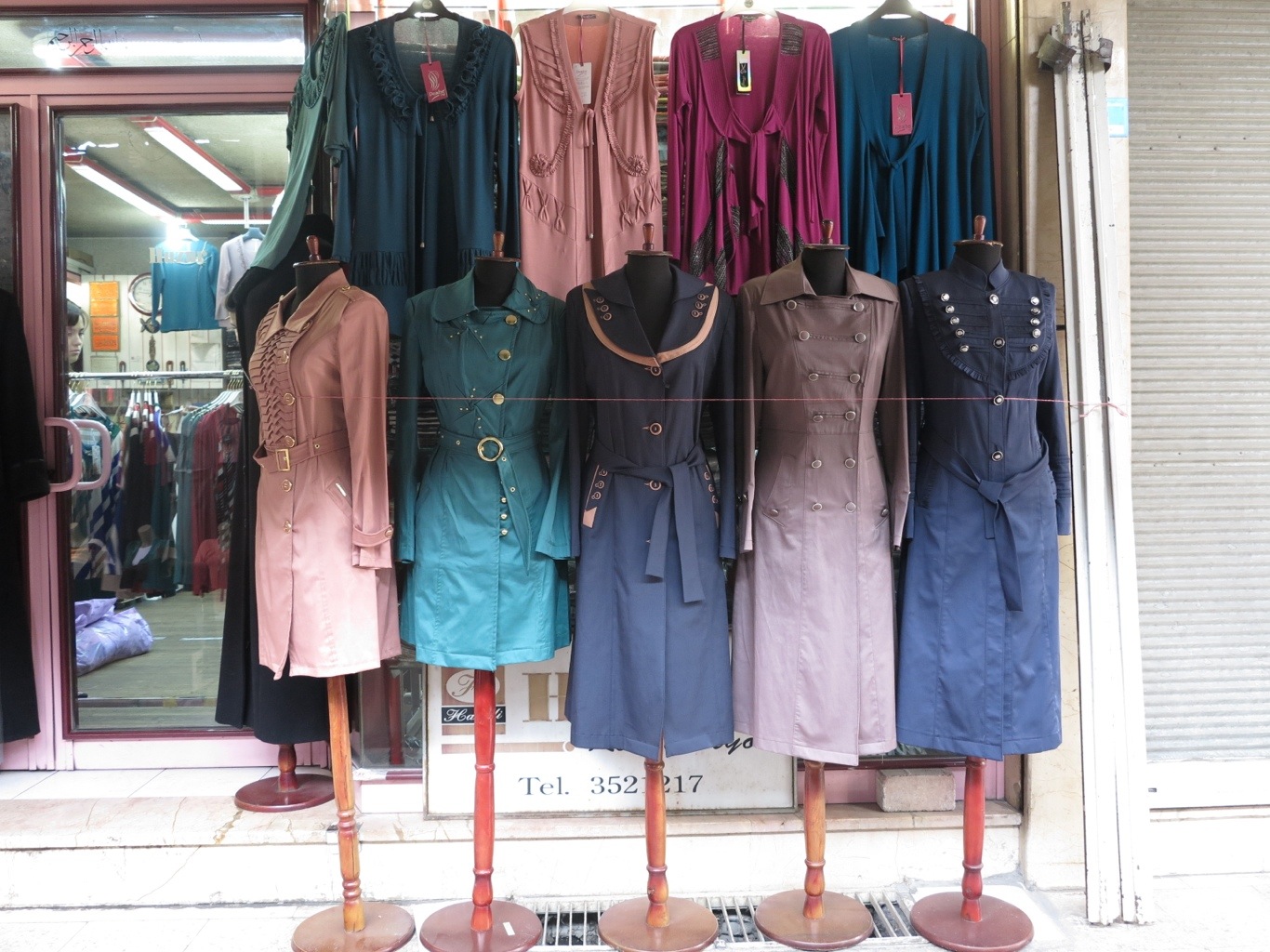
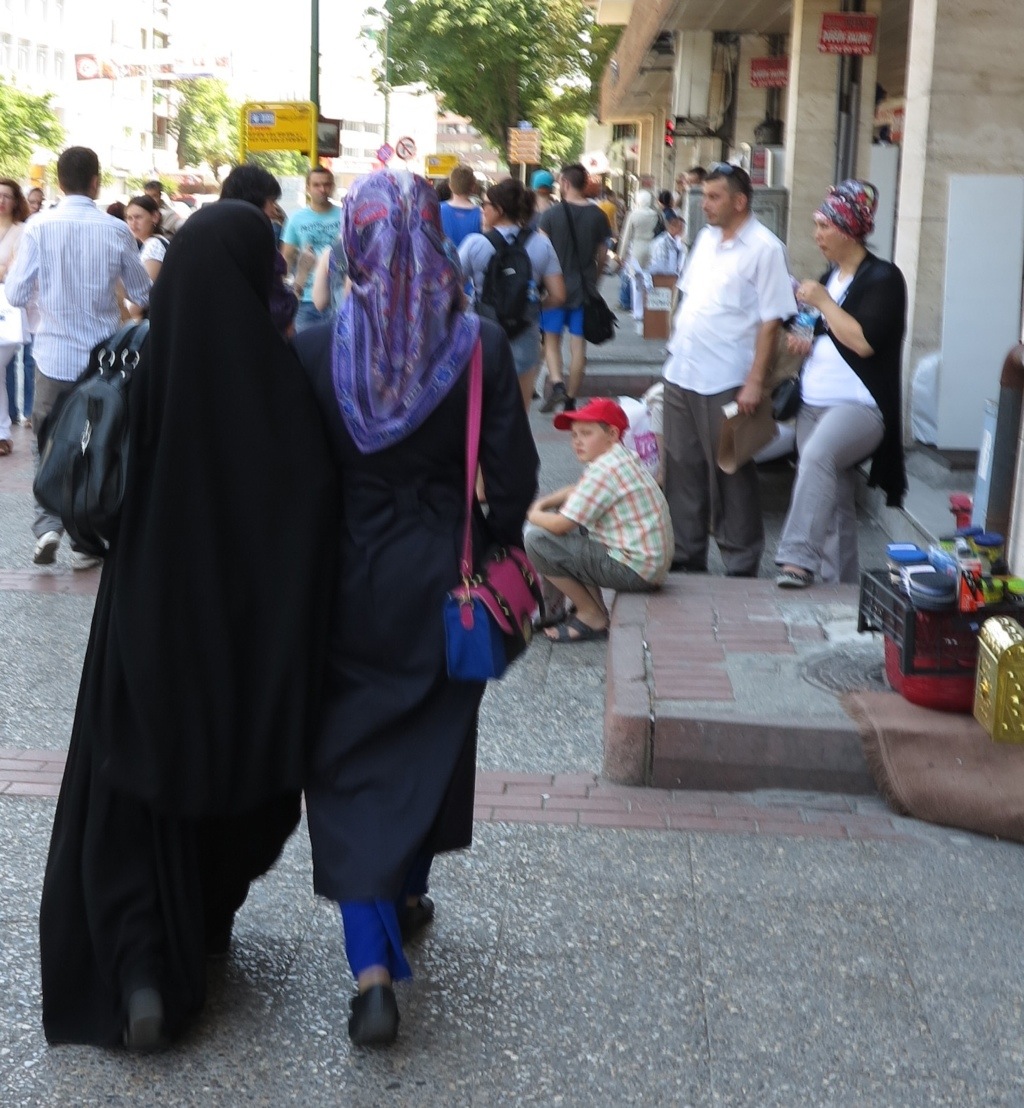
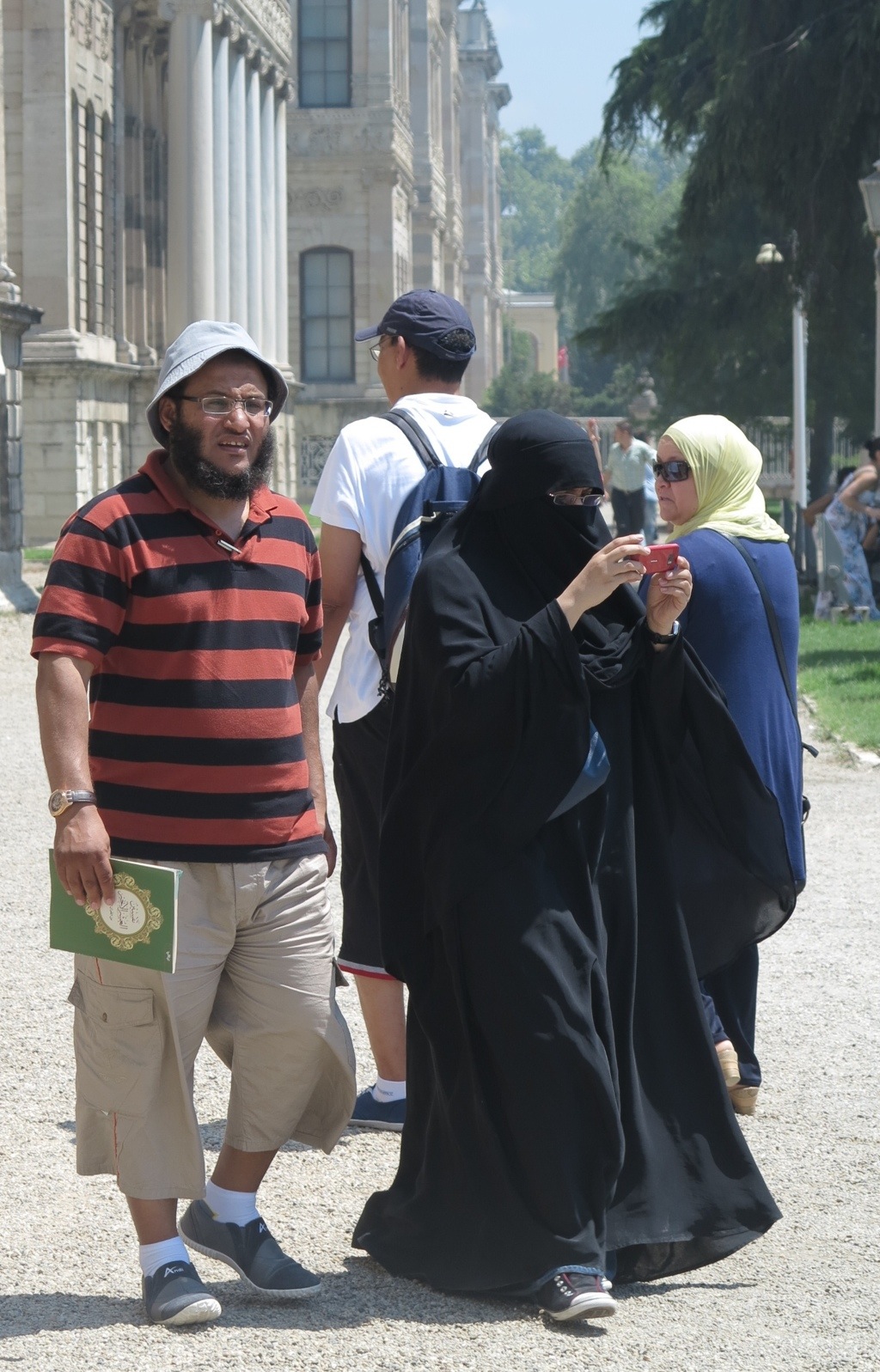
One last post on Turkey. My companion, known here as the Art Student, was fascinated, even obsessed with the many women tourists in Istanbul who were dressed in black from head to toe, faces veiled and even sometimes hands concealed by black gloves. She was indignant that their male companions were very often wearing shorts. Far too hot for a man to wear long pants, they seemed to say, while the women simply sweltered. Paradoxically, many of these women carried cameras. We did see some lowering the veils to below their chins so as to be photographed, but mainly they took snaps and remained themselves unsnappable. Traditional Turkish attire for women involving garments resembling trench coats of varying lengths and colours, didn’t look much cooler, but at least the women showed their faces in public,

20120709-192838.jpg

20120709-192911.jpg

20120709-192937.jpg

20120709-193007.jpg

20120709-193043.jpg

20120709-193305.jpg

20120713-075633.jpg

My trip to Turkey 13: Istanbul days 7 to 9

Our last two and a half days in Istanbul were interesting, but there doesn’t seem to be a lot to blog about. We bought presents for people back home. With no sense of paradox at the time, the Art Student bought two books about Turkey and I bought a miniature painting of a bearded Sufi. The Art Student came down with a tummy bug that may have had something to do with eating an unwashed nectarine. Several men wished us a happy honeymoon – whatever the Turkish is for blarney, there’s a lot of it around in Sultanahbad. Several more told us that ‘Aussies’ are their favourite tourists because we have a sense of humour. (There may be a kind of truth in that, as Australian and Turkish senses of humour show signs of great compatibility. My best example of this was somewhere in Anatolia when a chickpea stallholder demonstrated to me how he could tell from our faces that I was a visitor and Burak, our tour leader, was Turkish: he pointed at me and his face became a picture of wide-eyed, mildly idiotic curiosity; he pointed at Burak, actually a very cheerful person, and became the personification of long-suffering grimness. Burak and I both enjoyed the performance.)

We weighed up the pros and cons of a Bosphorus Cruise, a night at the opera (which would have let us see the inside of Haghia Irene), a Turkish dance performance that’s Istanbul’s top rated attraction on TripAdvisor, but ended up not opting for any of them.

We did go on two excursions, each to places off the beaten track for which getting there was a good part of the fun. The first, on day 7, was to the Elgiz Museum of Contemporary Art. We gleaned from Time Out Istanbul and the museum’s website that the museum was in Maslak, 20 k or so out of town. Wikipedia told us to catch the Metro from Sishane. This we did, and the metro is a striking contrast to the tramvay – quiet, smooth, with plenty of available seats and passengers who could have been from a city that’s not infested with tourists. At our second stop, a couple of older men tried to tell us something, including, mysteriously, that we had to get off. We did as we were told, and then understood, because the train almost immediately went back the way it had come. We managed to get on one going in the direction we wanted, but … Wikipedia had said to go to Maslak station, and there was no such place on the metro map. We finally asked someone, ‘Maslak?’ He didn’t speak English, but led us to the map and showed us the stop we needed, Ayazaga ITU, which we had just passed. So we swapped trains once again, and soon we were there.

Like Sydney’s White Rabbit Gallery, this is a private museum set up to exhibit its owners’ collection. It was well worth the effort to get there. A charming young woman greeted us warmly, told us a bit about the gallery and the collection, and engaged in arty conversation with the Art Student. We had a good time strolling around. There was contemporary Turkish art displayed alongside work from Europe, the US and China – nothing from Australia, though our hostess said she’d like it to include some Aboriginal art. My favourite pieces were a shiny evening dress made from beetle carapaces and in the sculpture courtyard a marble Cybele (that is, the many-breasted Athena of Ephesus) only without the arcane insignia and – such a relief – nipples on her many breasts. Here are a couple of the Art Student’s snaps.

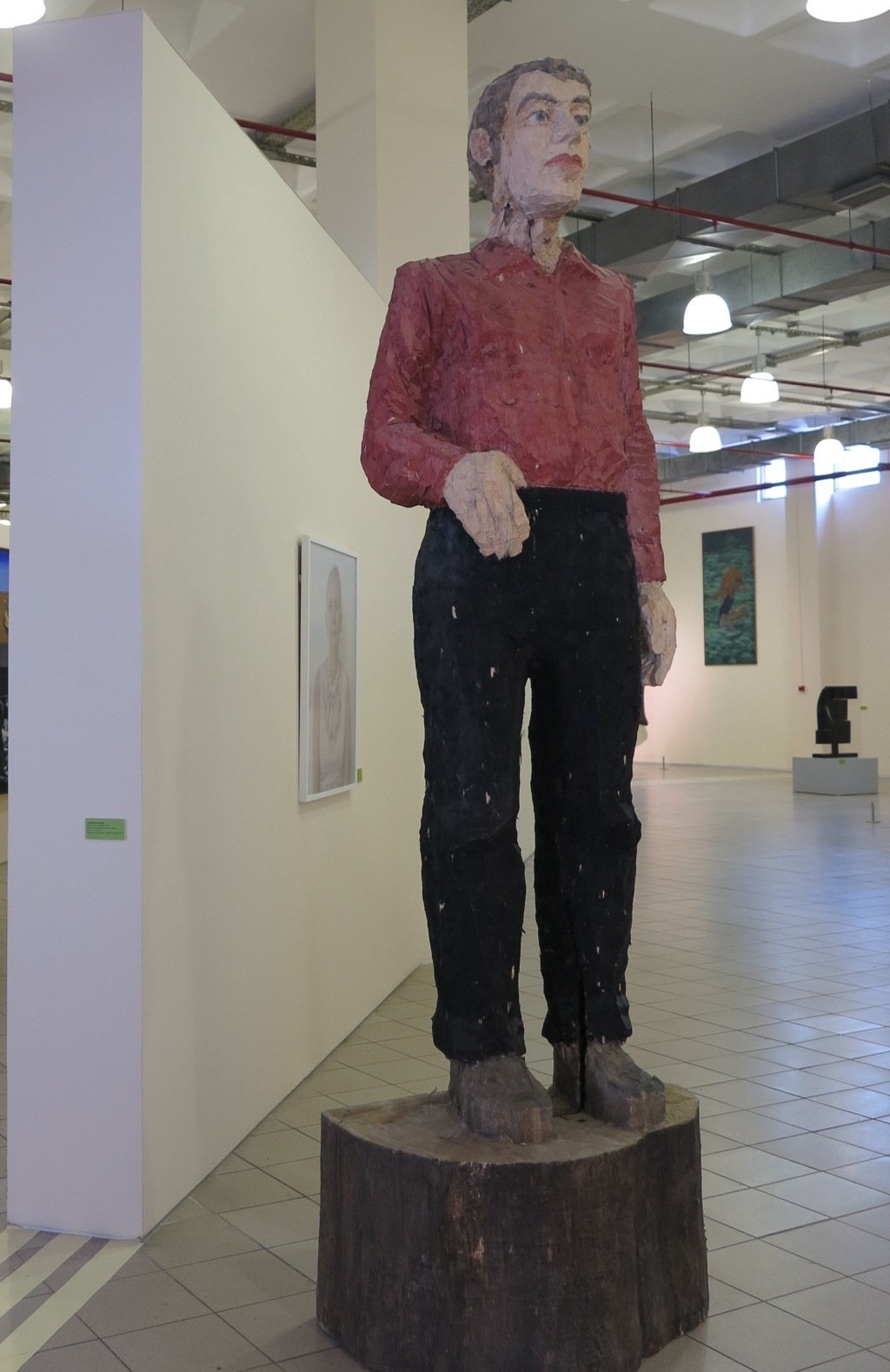
Stephan Balkenhol’s Big Man 2002

20120714-092251.jpg

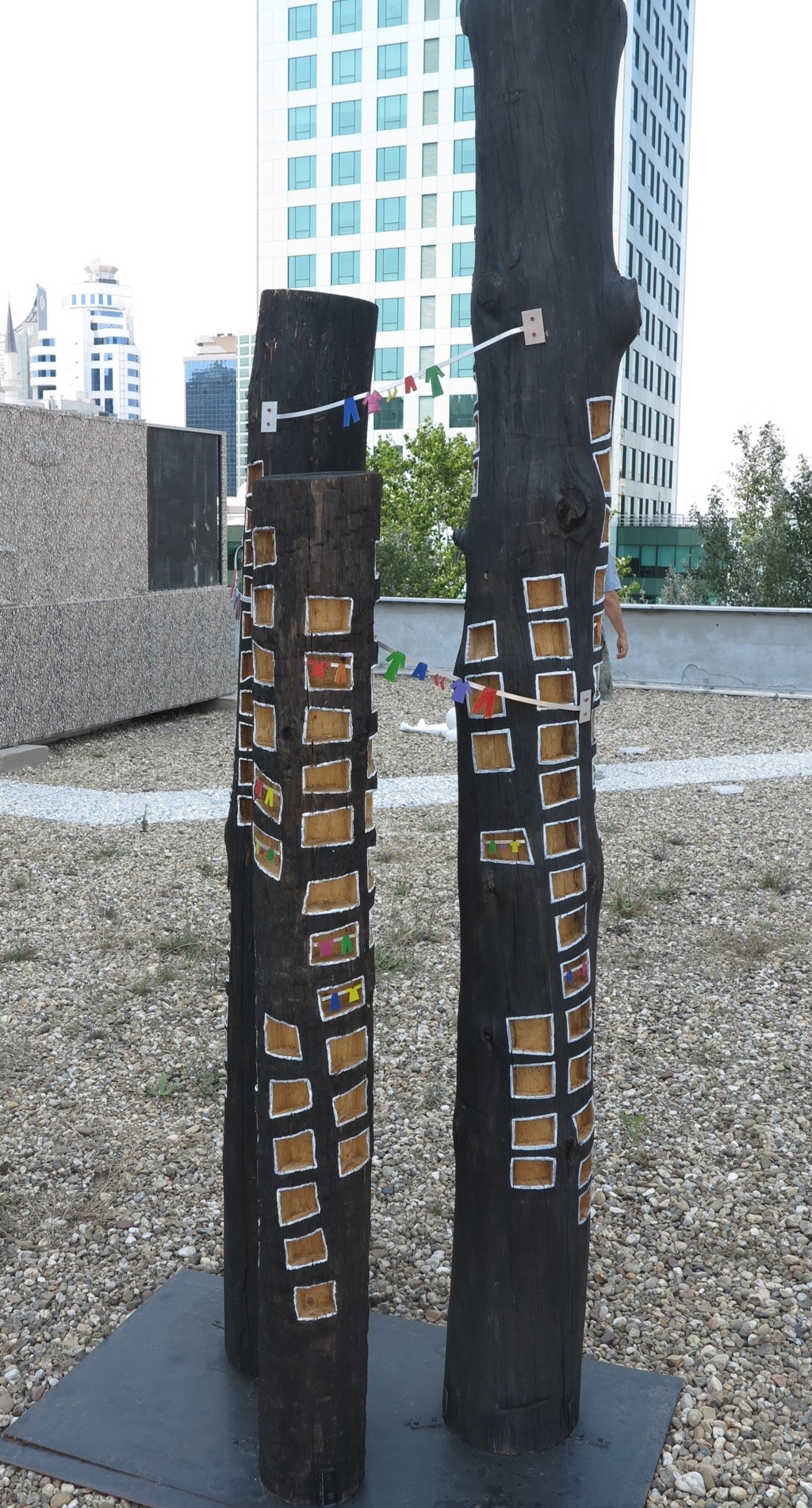
Ayla Turan’s Letter to the Neighbour Unknown, 2112, in the new rooftop sculpture garden

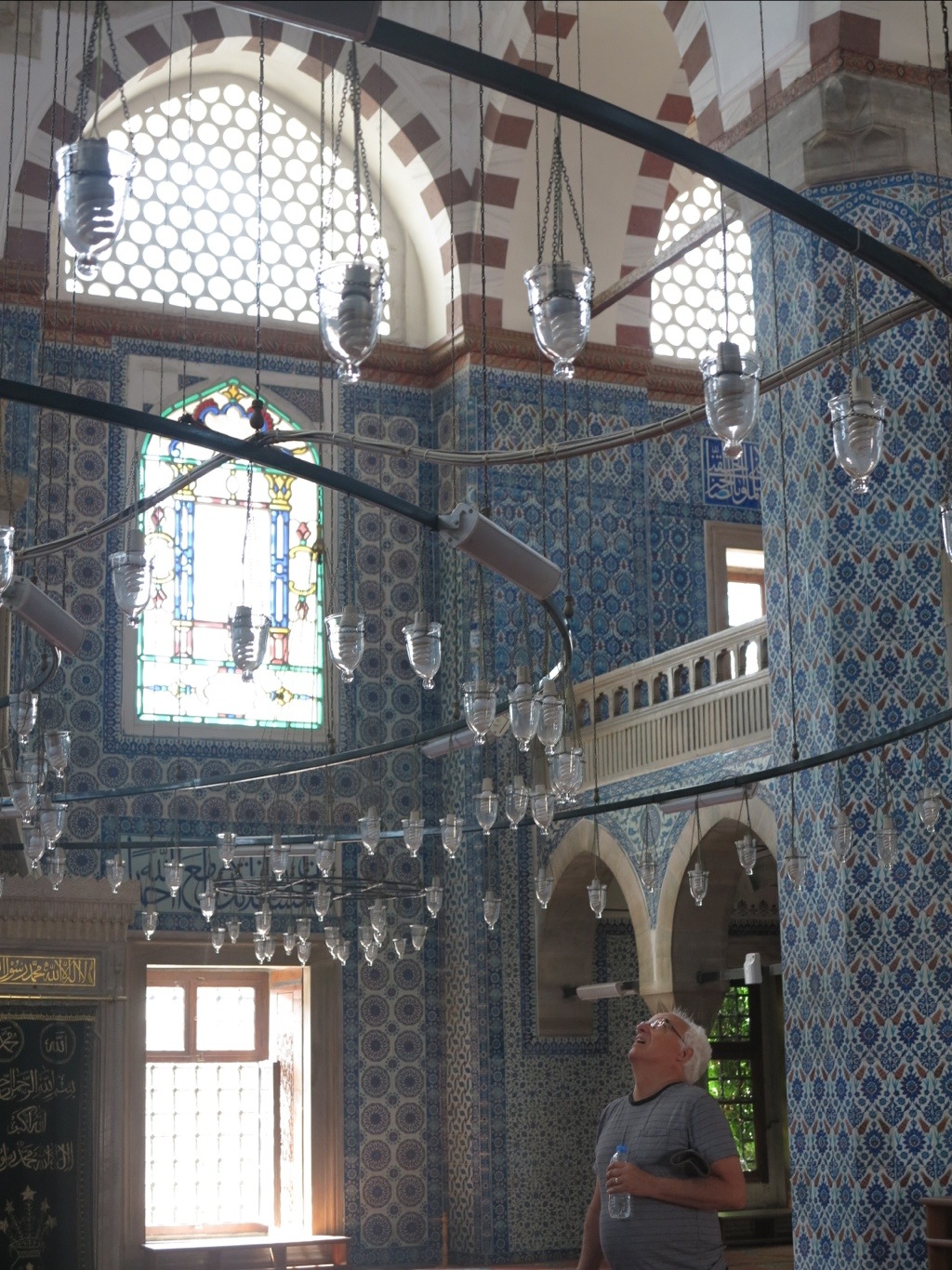
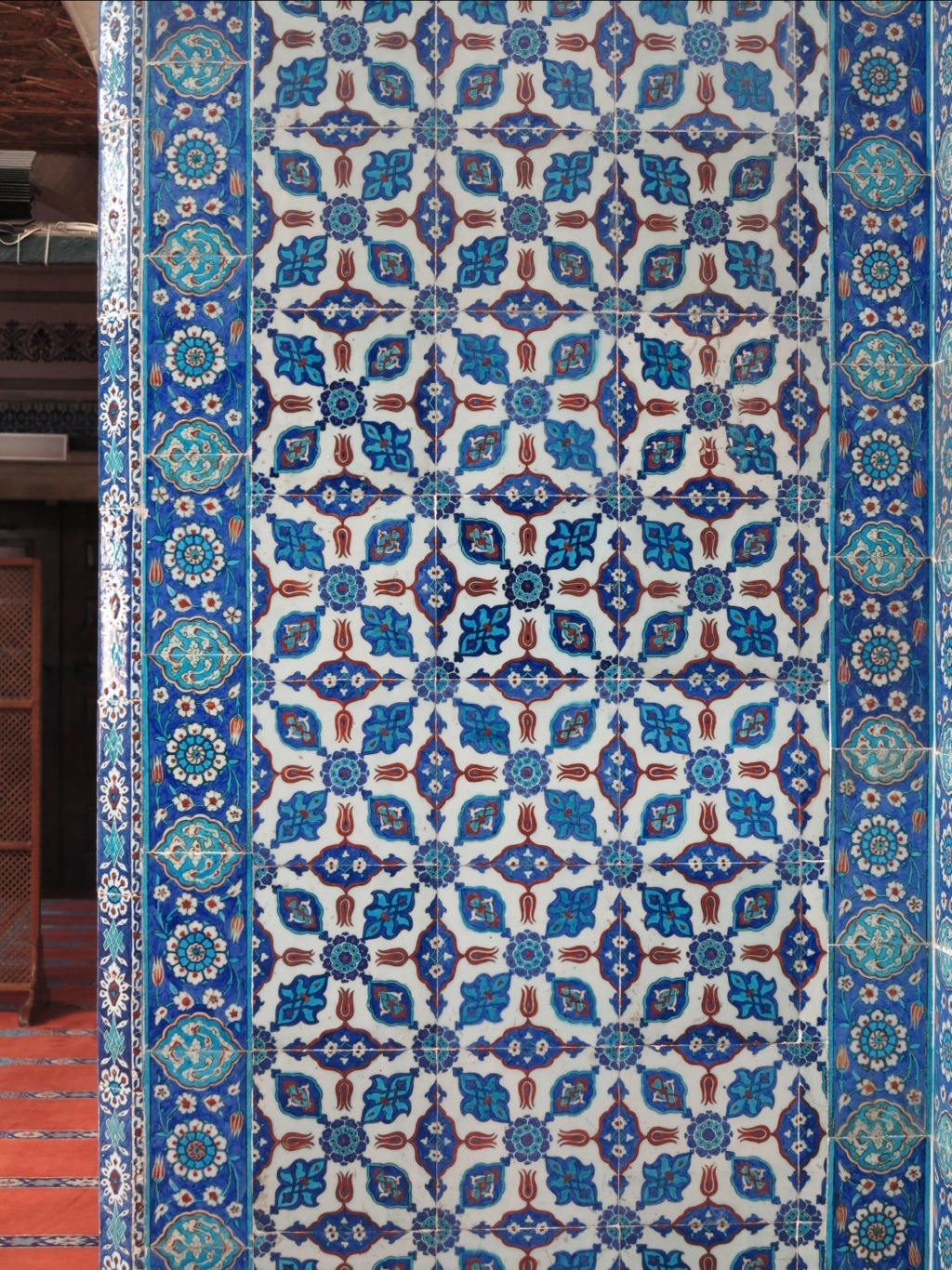
The other excursion, to the Rüstem Pasha mosque, took two attempts. We had visited this tiny mosque on our first day with Intrepid. I wanted to see again, the Art Student was ‘over mosques’, so on Day 8 I left her alone and queasy in our luxurious hotel room and struck out by myself. I didn’t have a map, but I knew its general location. The Fatih municipality has deployed hordes of keen young people in bright blue T shirts to help tourists. My quest turned out to be an opportunity to get into conversation with a number of them. None had heard of the mosque, and it wasn’t on the map they had been issued. With the third group, I said I thought it was near the tomb (‘Toom?’ ‘Turbe.’ ‘Ah! Turbe!’) of Sinan the Architect. We found the tomb on the map, but after trying to tell me how to get there (‘Go through Gate 2 of the Great Market and turn left …’), they offered to come with me. So I wandered through the narrow streets with two university students, studying environmental engineering and child psychology respectively, and a high school student. I don’t know about them, but I enjoyed our awkward conversation hugely. I now know that the best football team in Istanbul is Galata Sarayi, and the names of the others don’t matter at all. I know that the women with veiled faces around old Istanbul are Definitely Not Turkish. I know that the level of English taught is high school in Istanbul is very high. We found the tomb. I had misremembered: it was right outside Suleyman’s great mosque. I gave my young guides my email address and went into that beautiful structure for a moment, before inadvertently taking a long way back to the hotel.

This morning, on our last day, we set out together to find the Rustem Pasha mosque. This time, armed with a map that showed it as clear as day, we found it with only a little confusion, turning right in the spice market where we should have turned left. And then a street vendor had parked his pretzel cart in front of its modest gate and we almost missed it. Once inside, it was every bit as beautiful as I remembered.

20120714-092739.jpg

20120714-093345.jpg

Goodbye Turkey, land where a man will say you break his heart by offering 45 lira instead of the 49 he’s asked for, then refuse the four lira you hold out to him, where two vehicles come face to face in a single lane street that’s marked as one-way and the drivers negotiate cheerfully the question of who will back up, where the call to prayer drowns out conversation five times a day and waiters make jokes about your manhood if you don’t drink alcohol, where a hotel employee will say to an embarrassed guest who has no small notes for a tip, ‘The tip does not matter. The humanity is important.’ Goodbye sweet Turkey.

20120714-094404.jpg

(Written on the plane to Rome.)

Tricia Dearborn’s Frankenstein’s Bathtub

Tricia Dearborn, Frankenstein’s Bathtub (Interactive Press 2001)

I read this book in Istanbul, mainly in brief snatches while waiting in queues or similarly engaged. To lift a phrase from one of its poems, (‘this book will change your life’) you could say it was ‘the necessary unwelcome weight in [my] backpack’, though as it’s a very slim volume it was hardly unwelcome.

As one of the striking features of Istanbul in this hot summer is the length to which some tourists go to conceal the female body, I was delighted by the sweet, witty female sensuality in the poems of the book’s first section, ‘Body Parts’. When I say sweet, I invite you to think of mangoes rather than sugar cubes or apple tea – ‘slicing slivers of yielding flesh / that fill my mouth with / lusciousness / and after-tang’, which of course is about actual mangoes. I would have liked ‘the white dress’, from a later section, anywhere, but its tale of childhood rebellion gained an extra poignancy from the proximity of so many young women sweltering obediently beneath layers of black cloth:

the white dress

I knelt with your sewing scissors
beside the towering wardrobe

carefully I snipped holes in
your authority

I would see my life
through those holes

creating them I rained to the red rug
triangles of fine corduroy

I would not wear that dress

There are poems about growing up female, having a female body, female friendships, mother–daughter relationships. And quite a bit that doesn’t fit easily into that field. The titles of the book’s other sections give an idea of its range:

laboratory days, which includes the magnificently named ‘the biosynthesis of 3-nitropdropanoic acid in penicillium atrovenetum’

the leaping spark, about books and sex

short-circuit, which includes ‘the white dress’ and other poems about childhood, reproduction, same-sex attraction and violence against women (yes, I’m not sure what the common thread is there either!)

the uncertain human, containing the title poem and eight other short, strong poems, in which again the body asserts itself:

I think, therefore I am
said Descartes, but

while he thrice denied
the body, his neurones

pulsed with electric
solutions
(from 'proof')

home, dealing with cockroaches, visitors, travel

I respond to these poems as if meeting an old friend for the first time. I have met Tricia Dearborn once or twice, but that’s not what I mean. I think it’s the way the poems refer back, fairly obliquely, to a Catholic childhood, and turn their back on it, joyfully asserting the materiality of humanness.

Edwina reads

My fabulous niece Edwina Shaw recently had a Sydney launch of her YA novel Thrill Seekers. Here’s a video of her reading a chapter – taken, she says on her blog, by her children:

[YouTube=”http://youtube/FY8o6OL2SVg”%5D

My trip to Turkey 12: Istanbul day 6

We’ve settled into a daily routine in Istanbul: after a hotel breakfast, we head out for the major excursion of the day. Then we’re back to the hotel for a couple of hours snoozing, reading, respectively drawing and blogging, with perhaps an excursion to the teras for a slice of cake proudly baked and offered for free by the young woman who sometimes helps at the front desk. We go out again for dinner some time between 7 and 9, which generally involves a lot of strolling, a little getting lost, continuous people and animal watching, intermittent admiration of antiquities (the aqueduct, Constantine’s column, the minarets of Sultanahbad), occasional recognition of another loan word in Turkish (like kuafor for hairdresser or tuvalet, pronounced toilette, for toilet), and all that. Then it’s back to the hotel for some TV, always looking for the moment in a dubbed US or UK show when a bright squiggle turns up to mask the presence of a cigarette.

Yesterday’s main excursion was to Dolmabahçe Sarayi, the palace that replaced Topkapi Sarayi as the residence of the Sultans and their wives in the 1850s, and the place where Kemal Ataturk died in 1938. We’d intended to visit it on Sunday but after standing in the queue for half an hour or so without making much progress we decided to come back when it was less crowded. Hah!

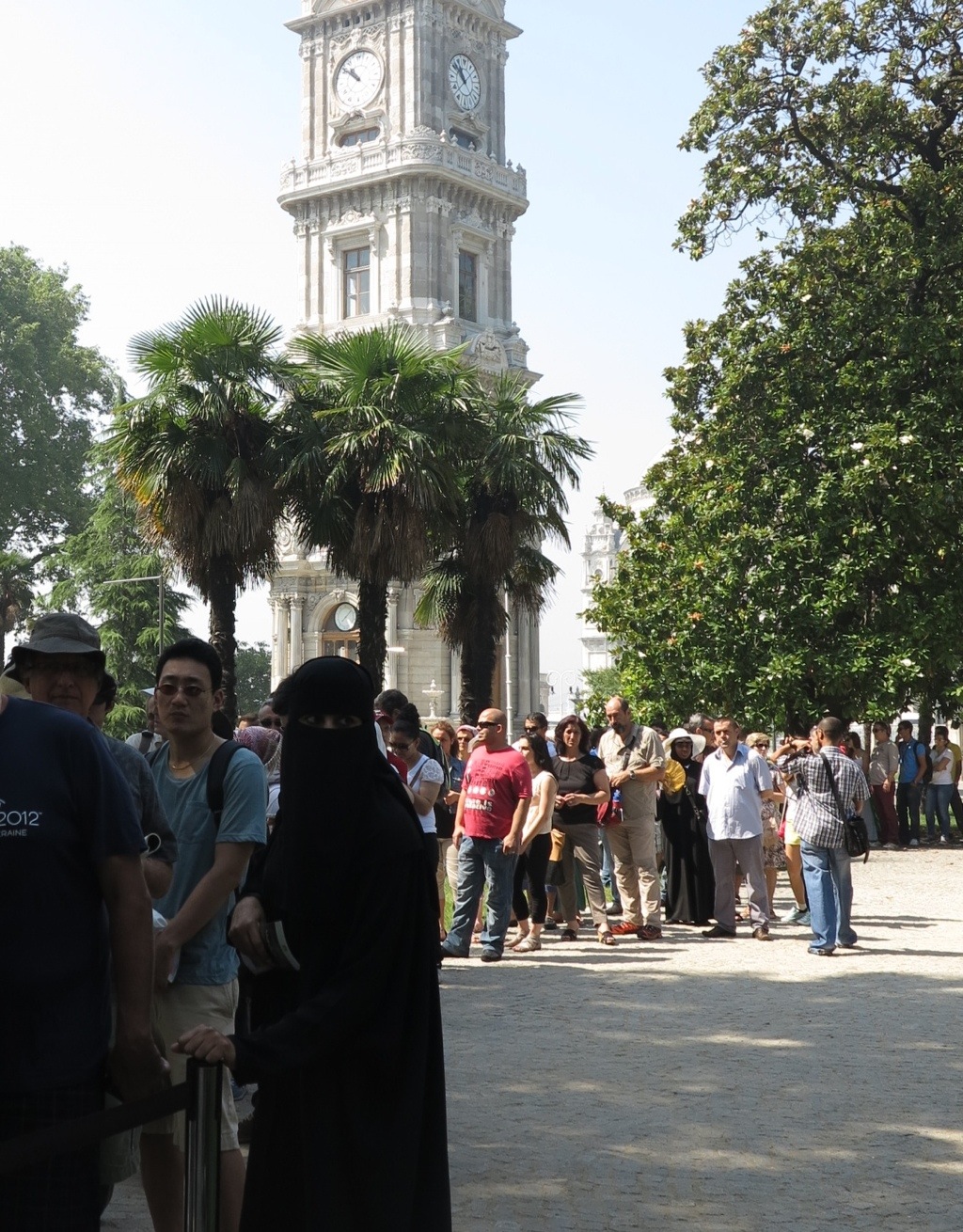
We arrived at 10 past 10 in the morning. Queue No 1, for the security check, was a non-event. Queue No 2, to buy tickets, was less than half the length of Sunday’s. But it moved just as slowly. Here I am soon after joining it.

20120711-223707.jpg

And here I am half an hour after that, with only ten minutes or so to go, just entering the roped section:

20120711-224242.jpg

Note the woman swathed in black with a hand resting on the bollardy thing. If you are ever in a queue and she turns up beside you, challenge her. If she says demurely, ‘My husband,’ pointing with her eyes toward the front of the queue, DO NOT accept the implication that her husband is up ahead between the ropes. DO NOT LET HER PASS. Her husband has sent her in to save them both the 50 minute wait. I suppose I should add that if you do courteously allow her past, and advise the people immediately ahead of you do do so as well, when you realise that despite her appearance of a pious Muslim woman she is actually a lying scumbag of a queue jumper, you probably shouldn’t shout after her, ‘Madam, you are a liar. You lied to me!’ even if you’ve observed on Tripadvisor that Saudi tourists call hotel staff they don’t like liars quite a lot, so you know the term has currency. Your companion is likely to find this behaviour embarrassing. But of course, you’d have no way of knowing if it was the same woman. I could recognise her by her large brown bag, and noted with grim satisfaction that her male companion was one of the many men accompanying women sweltering in black to the eyeballs who found the weather far too hot for long trousers.

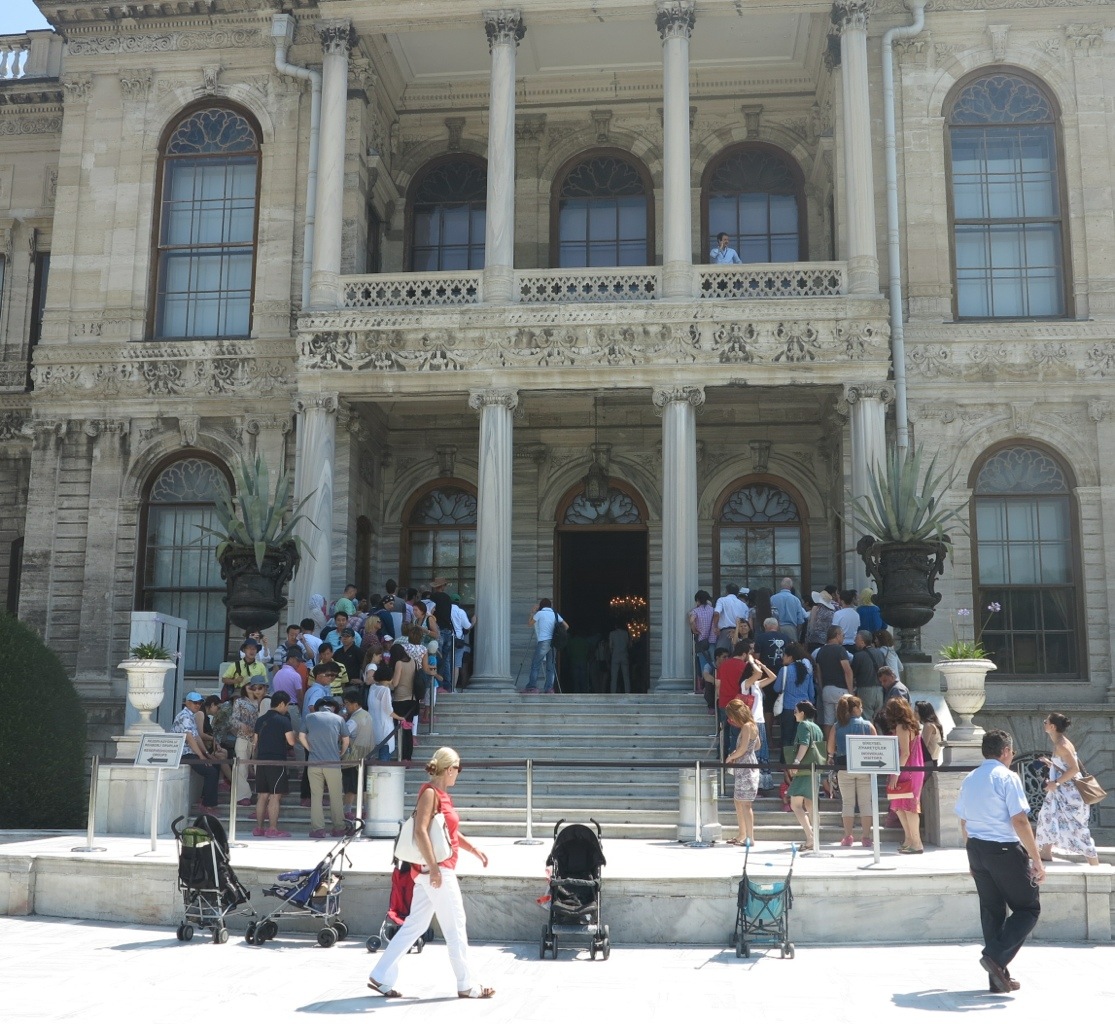
Queue No 3 turned out to be a pack:

20120711-230300.jpg

On the left, the sign said, were tour groups, on the right individual visitors. Another sign that was invisible until we reached the top of the stairs said that no individual visits were allowed: we weren’t queuing at all, we were waiting for the English-language tour at 11.35.

The tour turned out to be pretty much a moving queue, Queue No 4, as a hundred or so of us, many of whom spoke very little English, followed the guide, whose English was largely incomprehensible anyhow, through vast room after vast room, each furnished with great opulence.

Queues No 5 and 6, for the harem, were a repeat of Nos 3 and 4, though shorter and more comprehensible respectively.

Perhaps you’ll forgive me for going on so much about the queues if I quote a chap we’d met somewhere along the line: ‘After all that it was all the same, room after room of kitsch!’ I thought he put it well.

The man marshalling the harem queue ushered the Art Student and me to seats off to one side, probably out of consideration for our grey hair (have I mentioned that we’ve met with the most extraordinary generosity and kindness on this trip?), and said that audio guides were being developed and some year soon all this queuing and herding would come to an end. Compared to places like Iran, he said, Turkey is doing brilliantly, but it is still modernising, not there yet.

There was a weird pleasure in seeing how the other 0.1 percent lived, and it was eerie to peer into the queen mother’s room where Ataturk died, but really, I’d rather have the three hours of my life back and the 80 euro it cost for two of us. Your mileage may vary. If you do go, I strongly recommend you do it with a tour group.

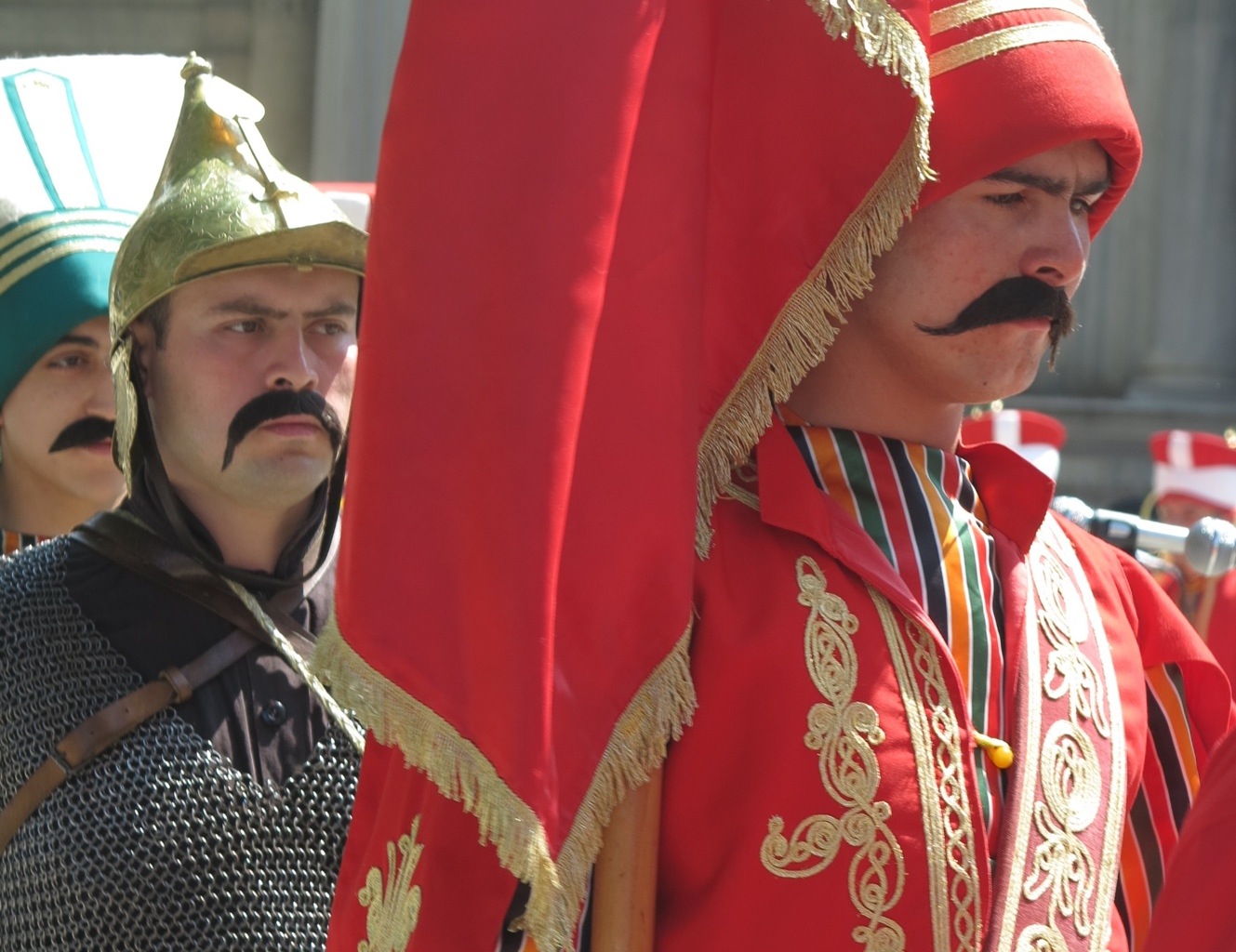
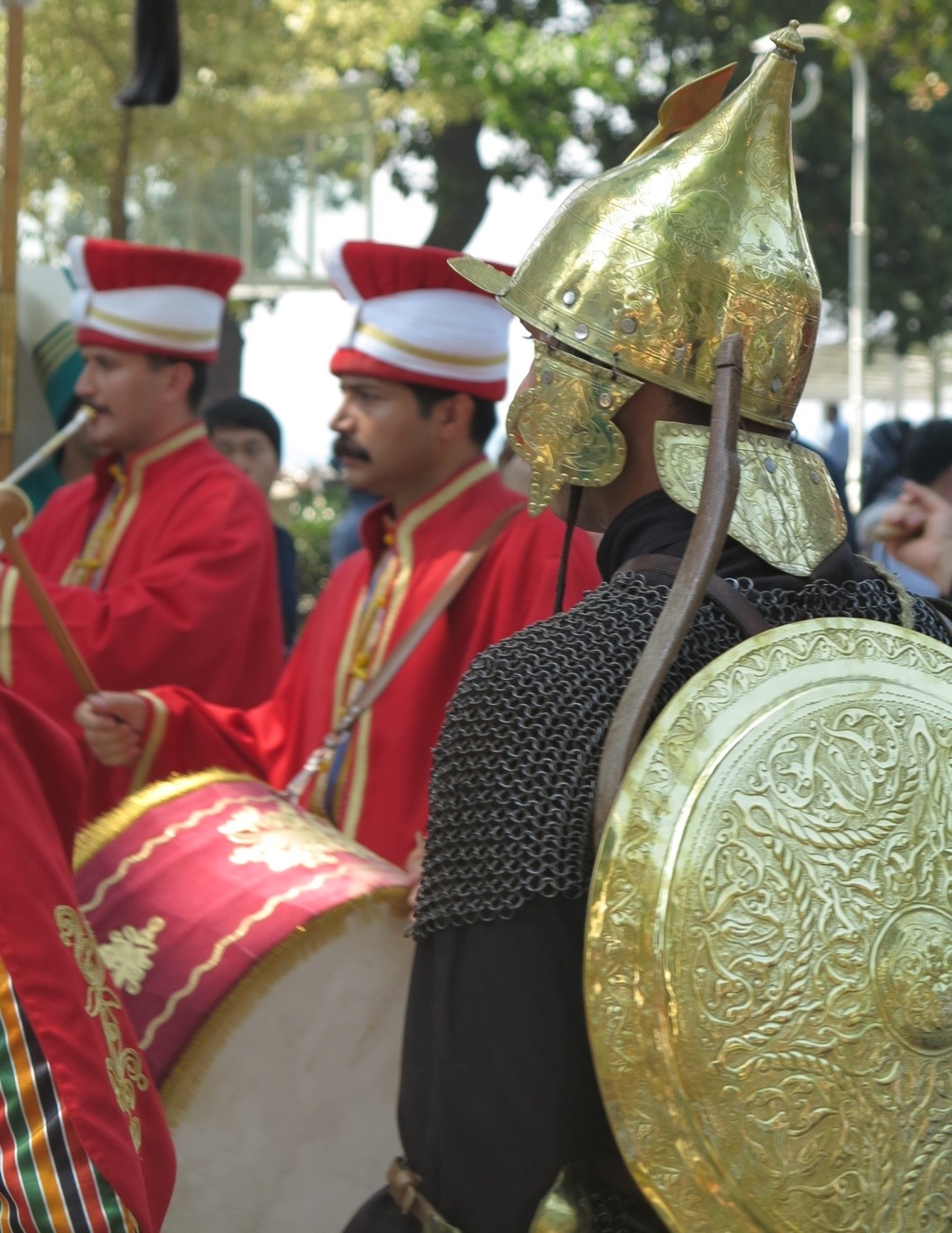
Oh, the best thing about the visit, apart from the drama with the lady in black, was a performance by a military band in full Ottoman drag and fierce Jannisery glares, which we could have seen for free.

20120711-232009.jpg

20120711-232118.jpg

Scar! The Movie

I’ve been sitting on this for weeks, but I can blog about it at last.

My son Alex and I have been working together on a short film project. I wrote the script, and after what we thought was a gruelling process of rewriting, to the extent that Alex is definitely co-writer, we submitted it for Metro Screen funding, and it was the successful contender. The script has gone through a number of drafts since then, a fascinating process that makes what we thought was gruelling look mild. And now, while I’m away in Turkey, Alex has been finding locations, casting (the actors look fabulously right), and – as of today – setting about raising extra funding through Pozible.

I can’t figure out how to make the Pozible widget in WordPress, so here’s the link: http://www.pozible.com/index.php/archive/index/7478/description/0/0. Have a look. Its a very exciting project.]

If you give a thousand dollars you get credit as Executive Producer, $5 will get you an onscreen thank you, and somewhere in between there are free DVDs on offer. No pressure, dear readers, but feel free to make a donation.

My trip to Turkey 11: Istanbul day 5

We debated back and forth whether to go on a cruise up the Bosphorus. There’s something offputting about the Offers on every street corner down at Eminömü, towards the Galata Bridge and the piers. Just 30 euro each for a six hour cruise, they say, and I don’t know which I’d miss, more the euro or the hours. We decided instead to spend 1.75 Turkish lira on a ferry ride to the Princes’ Islands/Adalar, a small archipelago in the Marmara Sea where members of various royal families who were out of favour over the millennia have lived and died in exile.

It was a bit more than an hour, across the mouth of the Bosphorus and then out into the Marmara. There are four inhabited islands, of which we went ashore on the second biggest, Heliabatsu. Fabulous views of Istambul’s minaret-ful skyline, of the Asian side, the still,sea and the cloudless sky, and once were ashore, we walked through picturesque narrow streets where the only motor vehicle allowed seemed to be the fire engine – tourists of every stripe rode past us on bikes and horsedrawn carriages. With the help of a complimentary map from one of the many kebab shops, we went in search of the synagogue and a famous old church. We had no success, but we did pass by a number of spectacular wooden houses:

house

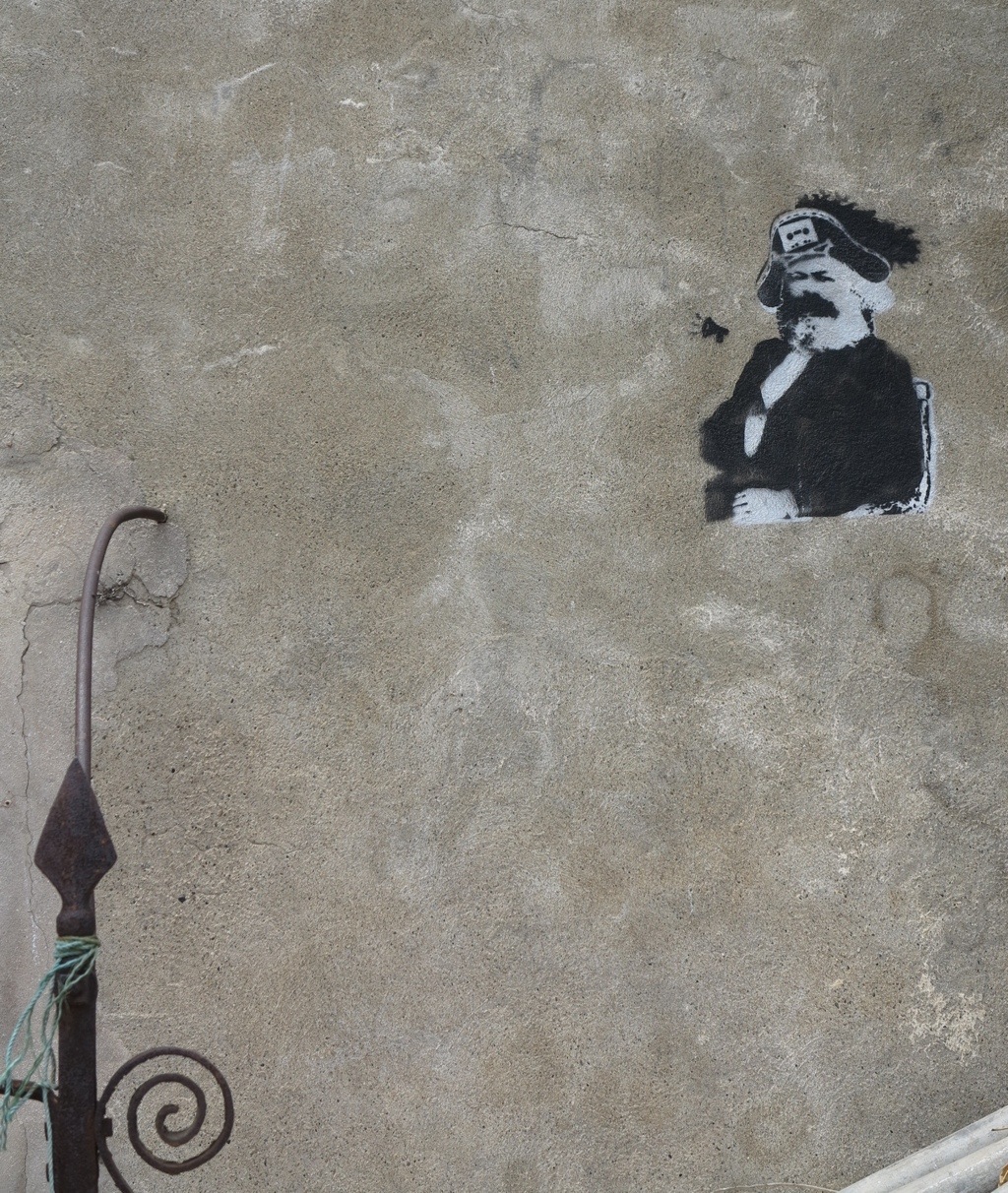
We saw Karl Marx as pirate on a wall:

Marx pirate

And there was quite a bit of stuff on sale. These floral crowns are everywhere, and that sign is pronounced tatch, not tack.

taç

Heliabatsu was home to two famous poets, who are commemorated by special benches along the waterfront:
front-of-chair

backofchair

And then there was this:

cat

Maybe this is the place for a paragraph about cats and dogs in Turkey. They are part of every streetscape, and don’t seem to belong to any particular human or household. Many of the dogs have plastic tags in their ears to indicate that they are participants in the canine population control program, and some have collars, but I’ve only seen one on a leash. Most of the cats seem to be well looked after. I’ve seen one of them on a leash too, tied up outside a baklava shop. I’ve seen three young men watching a fourth playing with a tabby with a foot. Tourists ooh and aah over them. One evening when we were eating dinner on a terrace we watched a man on a roof below us pursue a wild kitten, grab it, and place it on a high spot next to a bowl of food, then stalk its mother with similar intent. It’s one of the many unadvertised attractions of this country that it’s full of purposeful dogs and independent cats, living more or less harmoniously with humans.

We caught the fast ferry back to town – 6 Turkish lira each.