Jebediah is back. I admit I didn’t know they’d been gone, but evidently their many fans have missed them and are delighted to have them back. Here’s one of the videos from their new album Kosciuszko.
Nicely directed, I thought, by one who recently completed the postgraduate directing course at the Australian Film Television and Radio School, who happens to be a close relation of mine and recent commenter on this blog. I was quietly pleased to see that the video had more than a thousand hits on YouTube after two days.
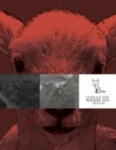
I generally avoid the term ‘graphic novel’, because I don’t kowtow to the view that comics need to be called something else if they’re to be taken seriously. But this hefty tome (1.248 kilos by my kitchen scales) is definitely a graphic novel, not a comic. It’s not a book you can read with half your attention somewhere else. The dominant visual style is brooding halftone; the lettering is mainly tiny; the story emerges from fragments told from many points of view, and some of the fragments are at best tangential to the overarching narrative. You can see the first 28 pages, pretty well all of them in the tangential category, here.
In the world of the book, animals are fully sentient and communicate fluently in human languages, though they do retain their otherness in relationship to humans. When a pet puppy is taken out for a walk, for example, he rushes towards the nearest tree, calling, ‘There’s the tree!’ The higher mammals – particularly the apes – chafe at human arrogance and there’s a general sociopolitical movement towards full equality, involving some human allies. Naturally, this movement has its violent elements, and a terrorist bombing of a human college provides the central story line.
There’s a lot here that’s brilliant, and I gather that it’s intended as the first of nine equally hefty and demanding volumes. I’m not hooked. In fact, I took some dialogue between a man and a starling on page 287 (‘[This book] has been a ball and chain around my neck and I’ll be happy to be done with it’] as a sly but gracious acknowledgement from the author of readers like me.
Partly my lack of enthusiasm has physical causes. The diminutive type and the ink wash that predominates in the images make the book hard to read in poor light or with less than optimal eyesight: even in the middle of the day I had to choose in which chair or at which bench to read, and even in full sunlight, many of the full page images were murky to the point of illegibility. This may be deliberate (given that parts of some images and some text are deliberately obscured by other images or other text, I’m not ruling that out). It may be a result of poor printing, or of Mr Hines poor understanding of what kind of image prints up well. The book’s sheer bulk make it uncomfortable to read in bed or bath (not that I’ve tried that), and impossible to read while walking the dog.
If you have young, sharp eyes and a sensibility attuned to postmodern self-interruptions, if you’re passionate about the pushing the boundaries of what can be done with sequential graphics, if animal liberation issues stir the fire in your soul, then I recommend Duncan the Wonder Dog to you. Please say something in the comments here.
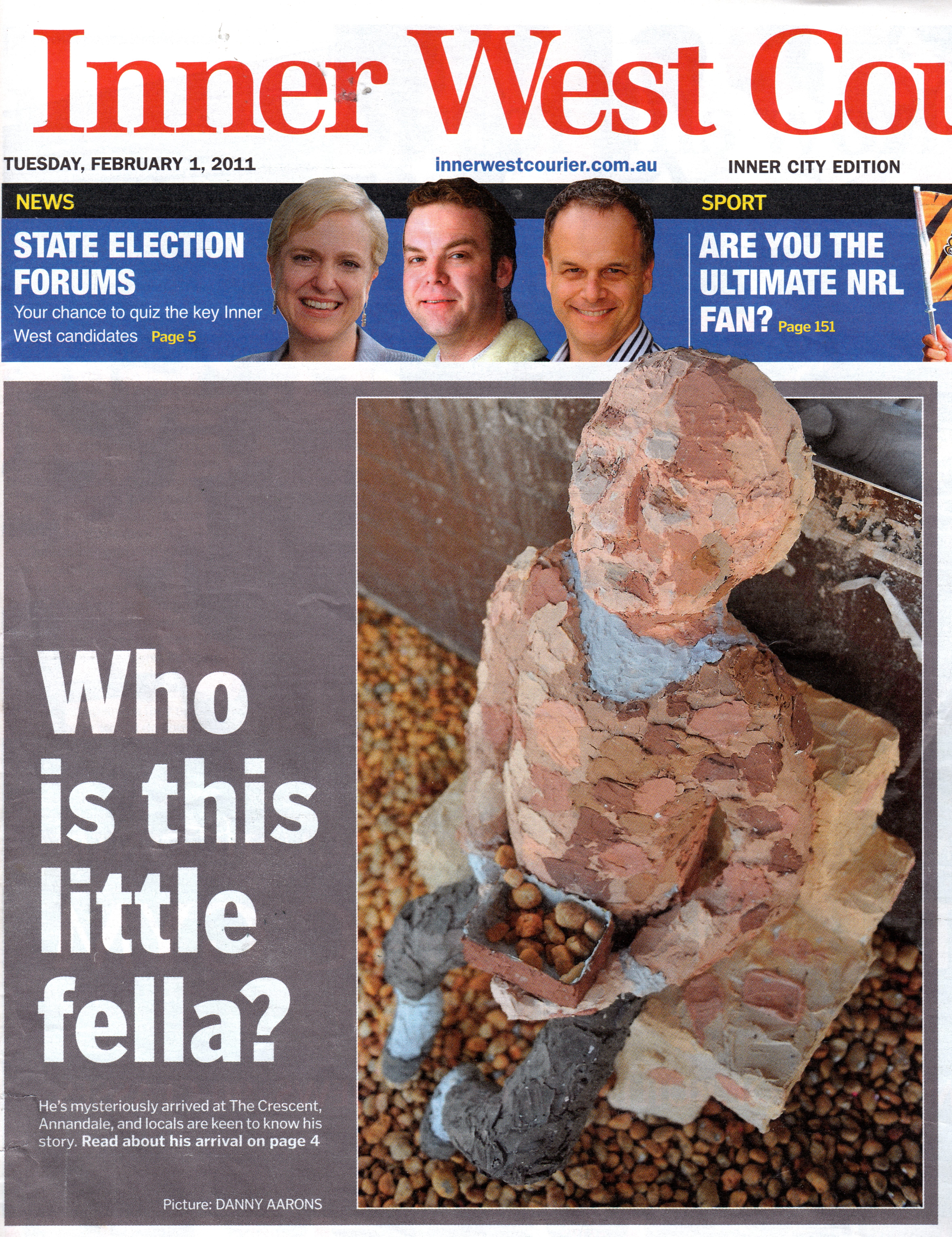
The Inner West Courier has noticed the little man:
Longtime resident David Lawrence tends to the roadside garden regularly and is mystified as to who placed the statue there.
‘It can be put down as a true Annandale mystery,’ Mr Lawrence said. ‘He seems to be collecting something, maybe it’s part of a bigger theme, who knows.
He said locals have largely welcomed the new addition, and would like to know who created the work of public art.
Well, as regular readers of this blog know, it’s an open secret. It’s nice to see it become a mystery.
Later addition: Two things have happened in the hours since I posted that.
The Art Student identified herself as the sculptor on the Inner West Courier site (over my objection that by doing so she was depriving the Inner West readers of the pleasure of a mystery).
We found a copy of the paper and discovered that the front page photo is much more impressive than the one reproduced on the web (both by Danny Aarons). Here’s part of the front page, for those unfortunate enough not to have the Inner West Courier delivered to their door.
On Wednesday I attended my first ever citizenship ceremony, in a marquee in lovely Enmore Park. After a welcome to country with dance and didj, we had mercifully brief speeches from the local state member, the state member for nearby Canterbury, the local federal member, the local Woolworths manager (who won the brevity medal), an Olympic sportswoman (who quoted bad Henry Lawson), and the Mayor of Marrickville. Then the mayor put on her new chains for the first time – ‘Just a sec,’ she said, ‘I have to get dressed up for this bit.’ The new citizens took the oath and the affirmation of allegiance (the ones with pink name tags had ‘under God’ in their formula, those with orange tags were godless) and each went up to receive a certificate and enjoy a photo op with the mayor. We stood for the national anthem, and it was all over.
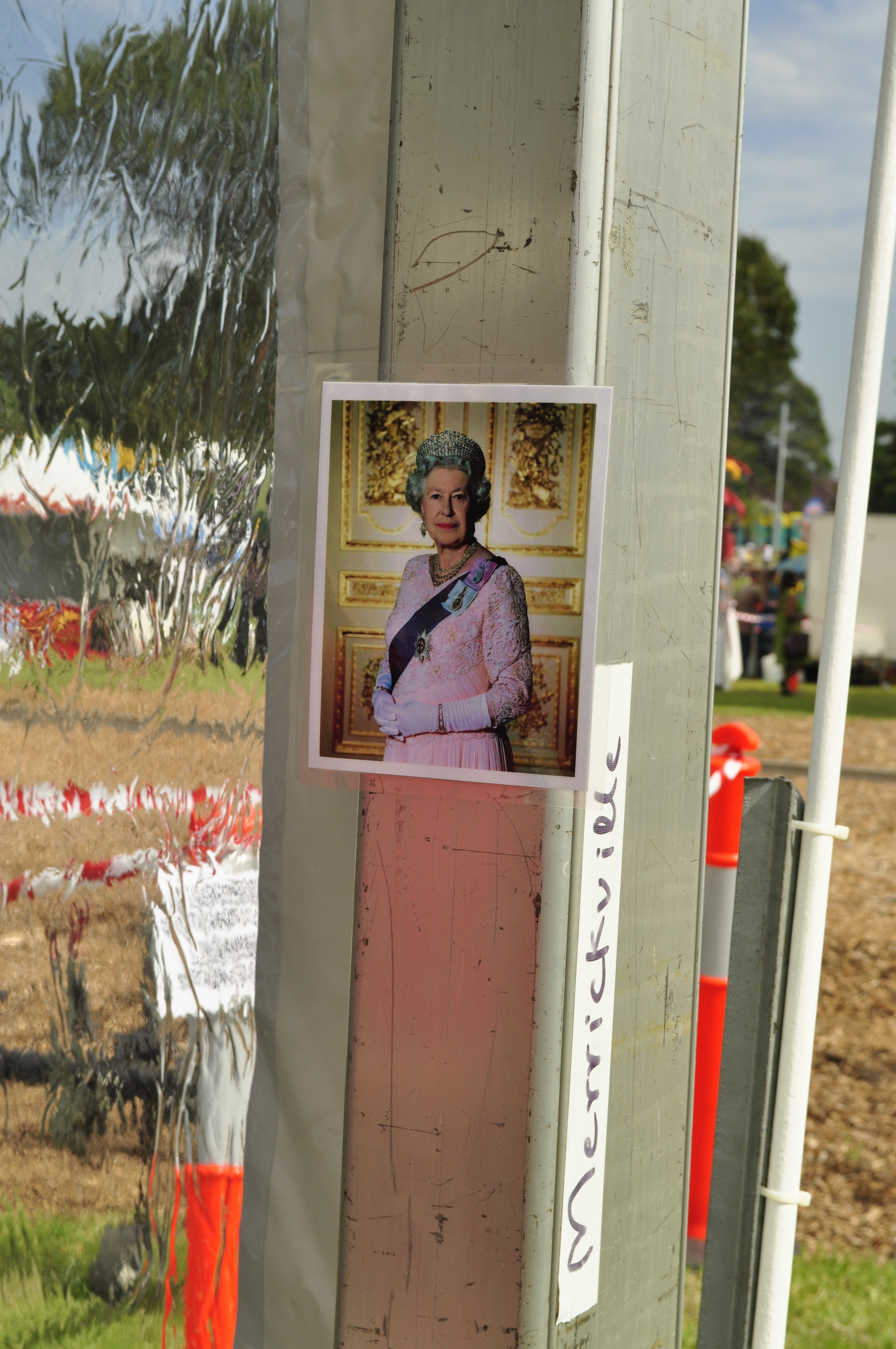
And then we found the queen. Unlike God, I don’t recall her being mentioned during the ceremony, but perhaps a photo of our head of state is compulsory for these events. because there she was, sticky-taped to one of the posts of the marquee. This photo doesn’t do justice to the image: the actual pink was much pinker than this, the gold more golden, the blue of her hair much, much bluer. It could have been Dame Edna.
A dear friend of mine was once a member of the CPA (that’s the Communist Party of Australia, not the Chartered Accountants’ thingummyjig). Years after she left the Party, a former editor of Tribune asked her what she was reading to keep up to date with politics. When she named the National Times, an eminently liberal weekly of the day, he was scathing: ‘Surely you don’t think you can get decent information from the bourgeois press!’ I thought of him as I was reading these magazines: at least part of my motivation for subscribing to them is to ensure that I have a regular injection of thinking from respectively left and non-Western perspectives, neither of which – to put it mildly – is dependably represented in the mainstream press.
So, for instance, Jeff Sparrow’s article ‘The Banality of Goodism‘ starts with a quote from Aimé Césaire on the dehumanising effect that colonisation has on the coloniser, and goes on to argue that the war in Afghanistan is actually a colonial enterprise, that colonial enterprises have always dressed themselves in the robes of what he calls ‘goodism’ (we’re in Afghanistan for the sake of the women, the peoples of Central America needed to be rescued from human sacrifice), that the Soviet invasion of Afghanistan (bad) used some of the same justifications as the US invasion (good). He also reminds us that in the week after 11/9 George W Bush visited a mosque and described Islam as a religion of peace, a gauge of how the dominant Western conservatism has degenerated in the last nine years. This kind of thing has to be good for the soul.
Similarly refreshing are a debate on population policy, a reply to Cate Kennedy’s anti-Internet rant in issue 200, a piece on Bruce Petty’s heroic cartoon-wrestling with economic subjects, an article that discusses the state of ‘flow’ (that focused state attained by craftspeople), a challenging argument against corporations’ providing breast pump ‘lactation’ rooms in lieu of maternity leave, and indeed the replacement of ‘maternity leave’ with ‘baby leave’. I may have come across any of these pieces on the net, but I would have skimmed them there. Here, I either read them with full engagement or skipped them altogether (I couldn’t bear to read Marty Hiatt’s rebuttal of Cate Kennedy, for example, because Kennedy’s piece was exactly the kind of intervention that an incipient Internet addict such as I needed: I don’t want it watered down).
A third of this issue is given over to showcasing the work of Young Writers. No ages are given, but it’s fairly evident that the four writers involved aren’t young in the sense that term would be used in the context of children’s literature. The introductory note by retiring fiction editor Kalinda Ashton and Samuel Cooney invokes Mark Davis’s Ganglands, thereby apparently implying that these ‘young writers’ are Gen Xers. Whatever! In my naivety I had assumed that magazines like Overland would publish work by Gen X and much younger writers as a matter of course, and I found myself reading these four stories with half an eye out to see what made them ‘young’, not a good frame of mind for enjoying a story. They’re all good stories, but Sam Twyford-Moore’s creepy ‘Library of Violence‘ was the only one that overcame the handicap created in my mind by the pigeonholing.
This issue of Asia Literary Review focuses on China, to the extent that all but three items are on topic. There are photo essays, travellers’ tales, expat narratives, an odd little memoir by Jan Morris, and short stories. A short essay by John Batten, ‘Cracking the Sunflower Seed’, reflects on contemporary Chinese art such as we have seen at the White Rabbit Gallery in Sydney. There’s a poem by last year’s Nobel Peace Prize winner Liu Xiao Bo, as well as ten or so other modern poems, with a useful five page orientation by Zheng Danyi. I miss a lot of what’s happening in Chinese poetry – Zheng quotes a quatrain that ‘infuriated Mao’s wife, Jiang Qing’, but all I can see is a lament for a broken stove. So Lord knows what’s happening in Liu Xiao Bo’s poem, ‘You Wait for Me with Dust’, besides surface action of a man in prison writing to his waiting wife.
The three pieces that aren’t about China are almost worth the price of admission: Marshall Moore’s short story, ‘Cambodia’, about three US siblings visiting Phnom Penh, Burlee Vang’s ‘Mrs Saichue’, set in a Hmong community in the USA, and Anjum Hasan’s piece on E M Forster’s time in India, which includes this glorious photo:
I think it’s fair to say that Asia Literary Review is more fun than Overland this issue. Overland, on the other hand, invites sharper engagement with issues closer to home.
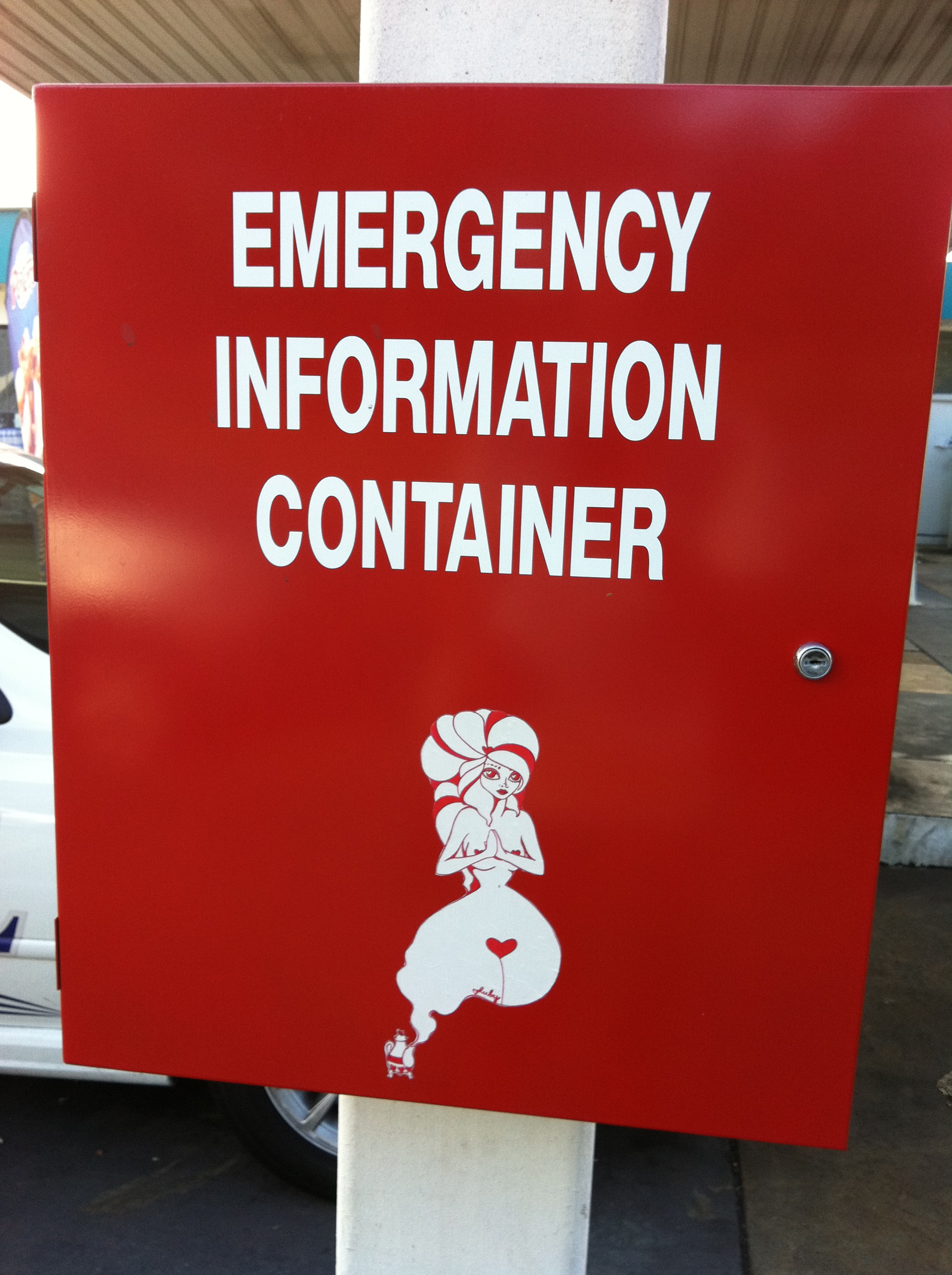
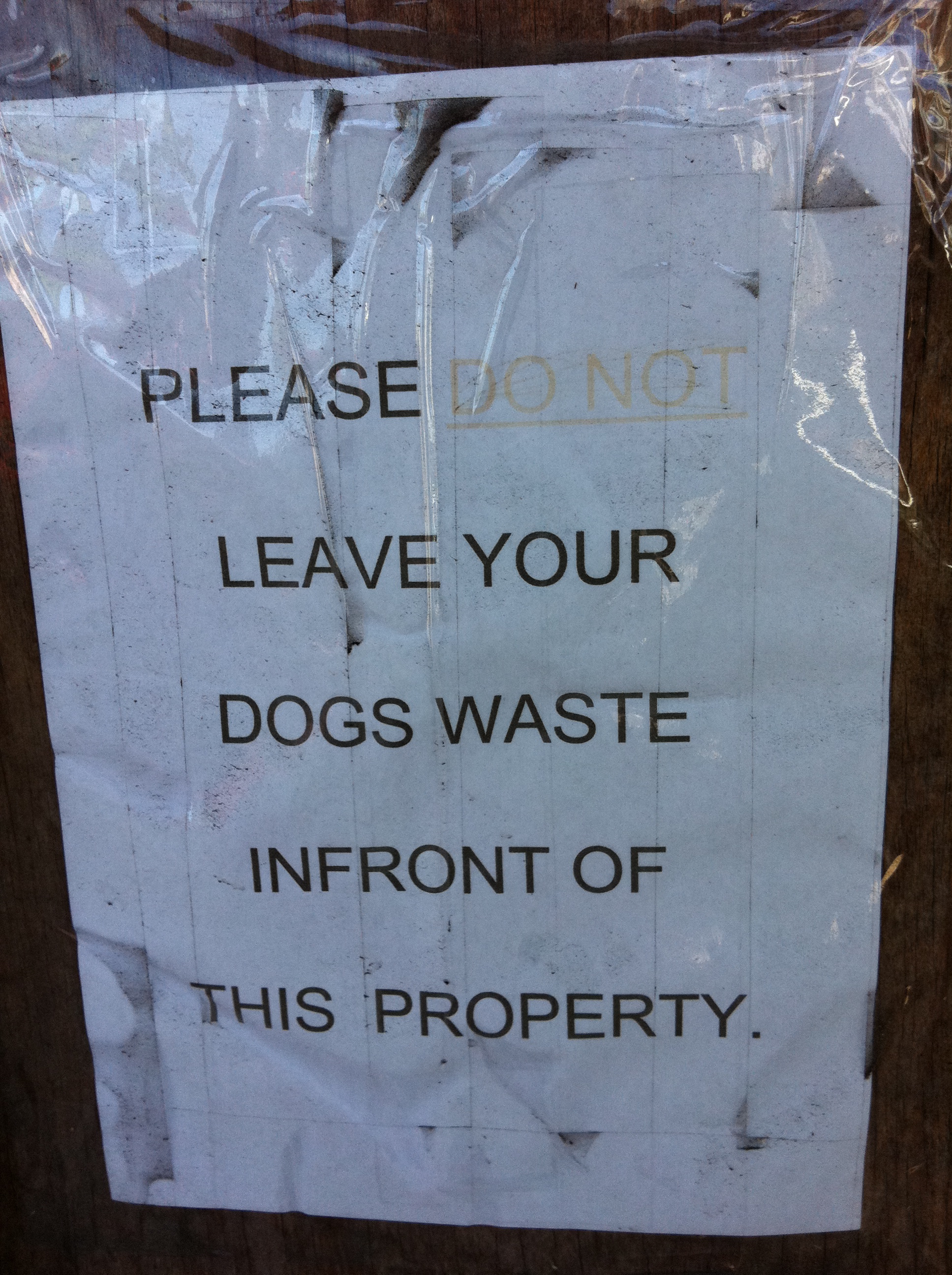
Our new locality is much richer in street art than our old. Here are a couple of signs that made me look twice, and then a third time.
The first is out the front of a service station in Enmore Road.
It took a third look to realise that the erotic genie is actually pasted onto the bright red container, and that the information inside probably has nothing at all to do with magic or heart-shaped female pudenda.
I was drawn to the cool irony of this one until I realised that it wasn’t intended by the sign creator, but a side effect of the different fading rates of different coloured inks.
Three men and a van took our worldly goods from Annandale to Marrickville on Wednesday.
We were very unsystematic about telling our neighbours we were moving – it’s been just one incidental conversation at a time. Mostly people say they’re sorry to see us go, and seem to mean it. One man told me that when he was young and needing move out of his parents’ place, his wife came home one day saying she’d found a place for rent in Marrickville. ‘Marrickville!’ he replied, ‘Why not just go to Redfern?’ Just in case I didn’t get it, he paraphrased: ‘Why stop halfway? Why not go straight to the bottom?’ He went on after a beat, ‘It turned out we had the best two years of our lives there.’ So here we go: on our way to the bottom, or heading for unexpected bliss?
I’m going to need a new masthead image. This isn’t it, but here’s a quick phone snap of what the view above shot had become midmorning Wednesday:
The little man from our front door elected to stay in Annandale as a piece of public art:
The move was no more nightmarish than you’d expect. Nothing broke – though we did discover that a little Balinese soapstone sculpture in the garden had been knocked into the pond by an enthusiastic little dog and lost its head as a result. A dab of glue restored his head and a day in the sun removed most of the swampy smell.
Four days after the event, the new house almost feels like home. We’ve enjoyed the kindness of friends: one made us dinner and brought it around on the evening of the move; three lots of friends who live on this side of Parramatta Road have just dropped in, a brilliant way to make us feel like part of a neighbourhood. We live much closer to the street here, so I’m entertained by the passing parade as I sit at my desk– many family groups, as the Annette Kellerman Aquatic Centre is close by. Penny’s dog sculpture is now much more obvious to passers-by: a schoolgirl offers her a lick of her iceblock; a small child tells her father, ‘It’s only a pretend dog.’
Gas and electricity are on. Mail and phone redirection are working. The floor has been restumped. Rooms have been painted. The moving boxes have been taken back by the removalists. Halogen down lights have been replaced by vastly expensive LEDs that we’re told will pay for themselves in no time at all. A sp[ace is well on the way to becoming a studio for the Art Student. Pictures are going up on the walls. Books are in bookcases, though will need some re-ordering. Settlement on our old home, now an empty shell smelling of cleaning products, was scheduled for Friday but because of a bank stuff up will actually happen tomorrow. Last night we walked to the movies in Newtown. We’re being urged by our younger son to have a house warming, and perhaps we will …
No time to blog. No time to catch up with emails. Moving house. All is well. Probably.
I’ve just sat down to my email for the first time in days, and found notice that my friend Sarah’s brilliant, interactive web site, Re-enchantment, is to be launched in March. There’s a three minute trailer on the ABC site. I can’t embed it, sorry, but do click on the link.
The official launch will be at the Adelaide Film Festival at the Palace Cinema on Wednesday 2 March at 5.00pm – a free event open to the public. The website will go live on the ABC that same day.
The Australian Centre for the Moving Image in Melbourne will host a two-day Re-enchantment Symposium on Thursday 10 and Friday 11 March 2011, called Fairy Tales Re-imagined: From Werewolf to Forbidden Room.
There will be Sydney launch on the evening of Thursday 24 March at the Surry Hills Library.
The first item of mail has been delivered at our new address, a parcel containing a copy of Ruth Park’s Harp in the South, from a South Australian BookMoocher, in plenty of time for my next Book Group meeting. Note the artful smudging of personal details in the photo, enabled with minimal fuss by iPhoto.
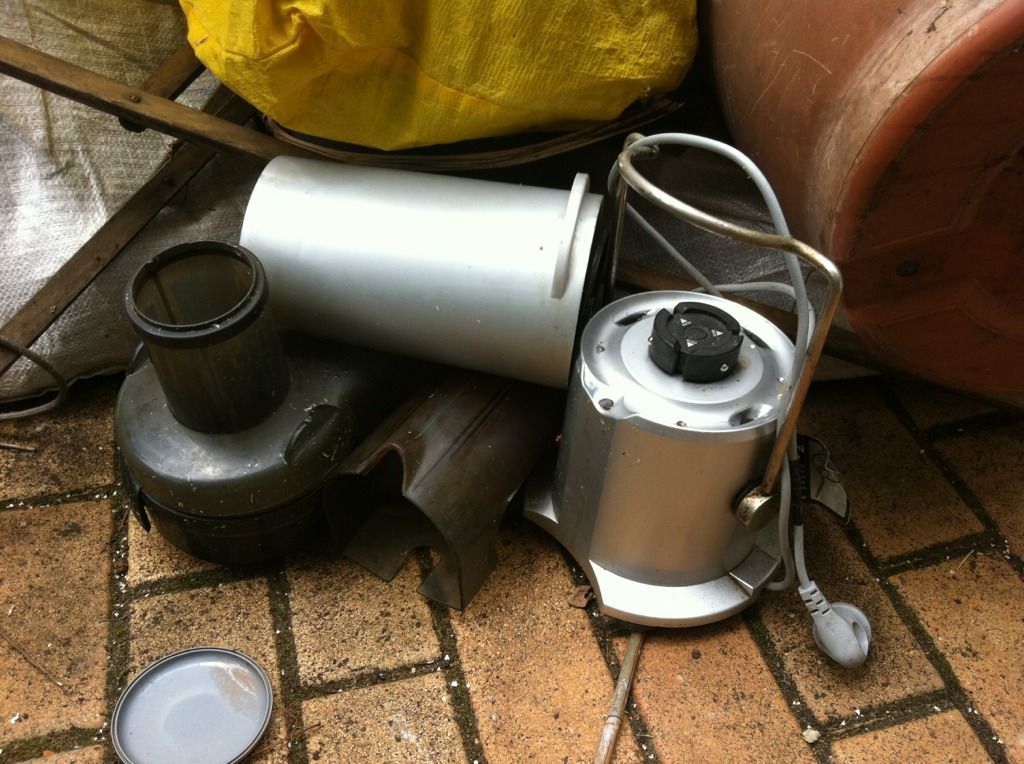
And this morning, after decades of daily service at breakfast time, our juicer blew its motor and has been consigned without ceremony to the pile of stiff that will be taken away on Monday by 1300RUBBISH.
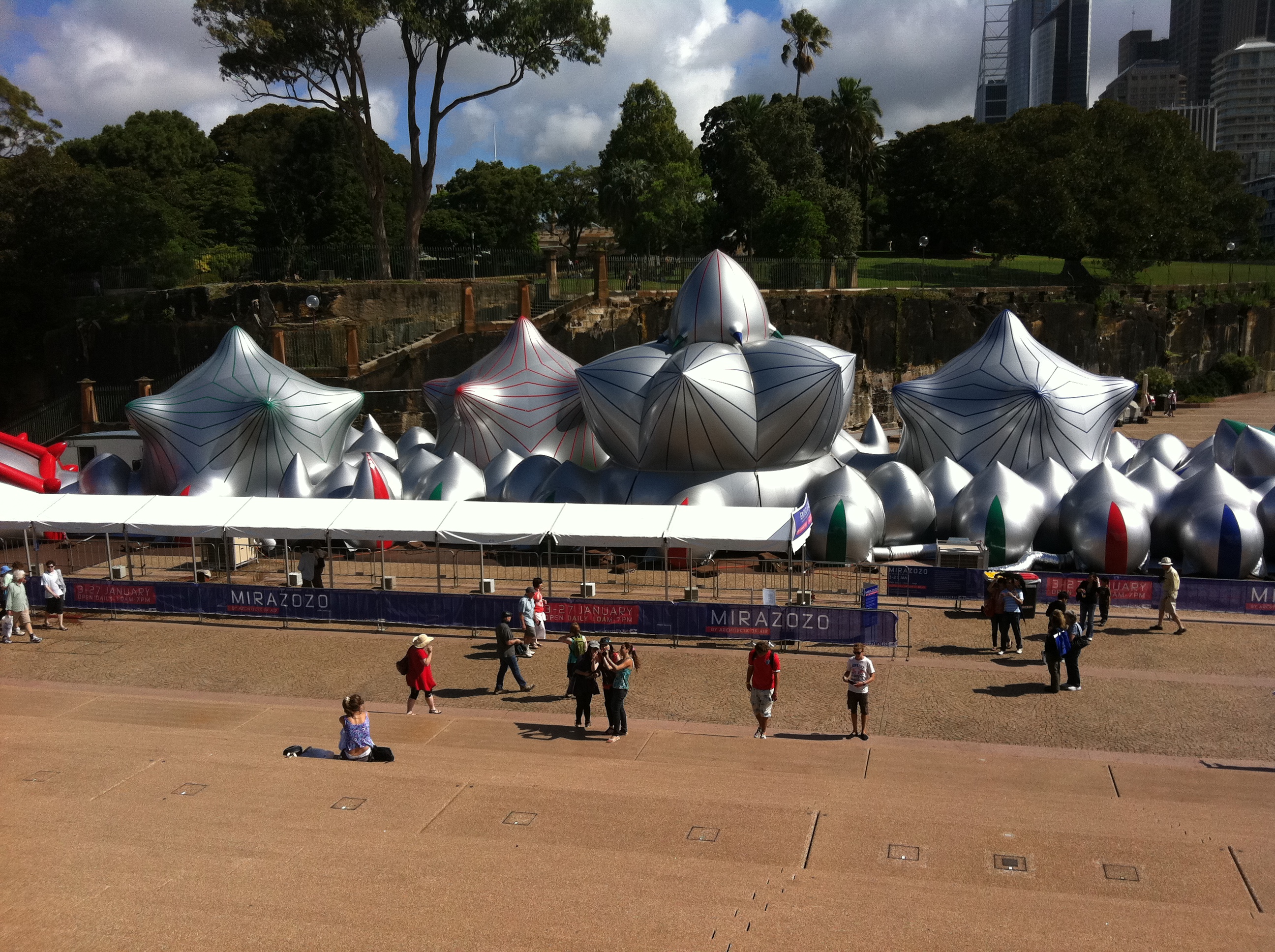
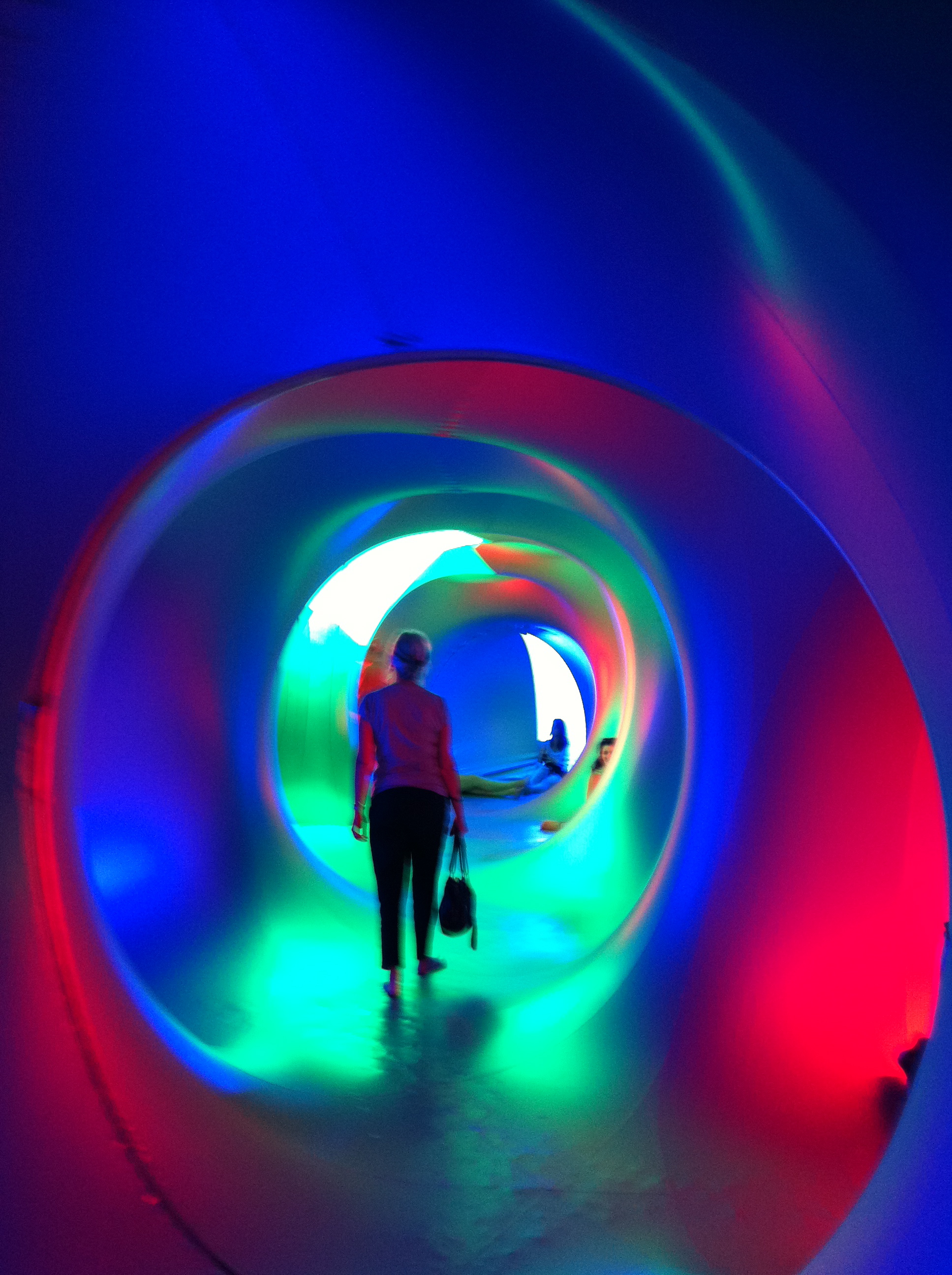
We haven’t seen much of the Sydney Festival this year, but last Friday we managed to go to see Mirazozo at the Opera House forecourt. It’s an inflated structure, a luminarium, which you can wander about inside for 20 minutes. It only costs $10, or less if you’re in a group of four or more.

![Man to starling: [This book] has been a ball and chain around my neck and I'll be happy to be done with it](https://shawjonathan.com/wp-content/uploads/2011/02/1duncan0051.jpg "1duncan005")